
In recent years, the diagnosis and treatment of receding gums has witnessed an amazing development. This problem does not only affect the beauty of the smile, but may lead to tooth sensitivity and even loss in advanced cases. Diagnosis is no longer based solely on a traditional visual examination. Rather, modern medical techniques have entered the analysis of gum tissue with unprecedented accuracy, and advanced treatments have also appeared with less pain and a recovery period. This article presented by Al Mousa Specialist Hospital explains to you the latest diagnostic methods that detect early gum recession, and the most prominent advanced therapeutic solutions provided by dental clinics.
What is gum recession?
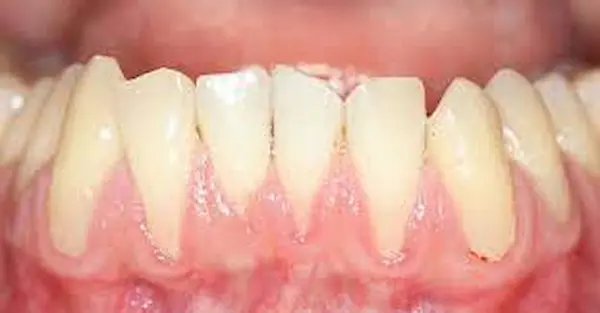
It is a condition in which the edges of the gum tissue surrounding the teeth recede, leading to the exposure of the roots of these teeth. It is one of the common dental problems that have many deeper health causes, such as gum disease.
What are the causes of receding gums?
Receding gums are a condition that not only affects the appearance of the smile, but can also increase the sensitivity of the teeth and make them more susceptible to decay. The causes of receding gums and related factors include the following:
- Gum disease, such as periodontitis, is the most common cause of bacterial infection due to the accumulation of plaque and tartar on and under the teeth, causing inflammation and damage to the soft tissue and bone that support the teeth, causing gum recession.
- Brushing your teeth forcefully or incorrectly, or using a toothbrush with very hard bristles.
- Not brushing and flossing your teeth regularly.
- Genetic predisposition to gum disease or inheriting naturally thin gum tissue.
- Hormonal changes: especially in women during periods such as puberty, pregnancy, and menopause.
- Smoking and tobacco products.
- Involuntary teeth grinding (bruxism), especially during sleep.
- Crooked teeth or irregular bite.
- Lip or tongue piercing, where the friction of jewelry placed in the lips or tongue against the gums causes erosion and sagging of the tissue.
- Inappropriate dental implants or fillings.
What are the symptoms of receding gums?
Knowing the symptoms of receding gums is crucial for early detection of the problem and starting treatment before it gets worse. The most prominent signs and symptoms that may indicate receding gums include the following:
- Increased tooth sensitivity, which is one of the most common symptoms of receding gums, as the tooth roots containing thousands of small canals connected to the dental nerve center are exposed, making the teeth sensitive to cold, hot, and sweet foods and drinks, or even when brushing the teeth.
- Teeth appear longer than usual, due to the increase in the visible part of the tooth.
- Change in tooth color at the gum line, because the root of the tooth is not covered with enamel, so it appears a different color in the exposed area compared to the upper part of the tooth.
- Feeling a bump or groove at the gum line when you touch the area between the tooth and gum with your finger or tongue.
- Gum inflammation, swelling, or redness, and they may bleed easily when brushing or flossing.
- Bad breath is a result of the accumulation of bacteria in the gum pockets that form as a result of recession.
- Tooth loss, in the advanced stages of gum recession.
- Especially if accompanied by loss of supporting bone, teeth may begin to move or become loose.
- The appearance of small black gaps between the teeth called black triangles, especially at the gum line.
Read also: Find out why Darkening of the gums in children With 5 treatment methods
Complications of gum recession
Neglecting to treat receding gums leads to a number of serious oral health problems, the most prominent of which are complications, including the following:
- Increased tooth sensitivity. This sensitivity can be annoying and painful and hinder eating and drinking normally.
- Erosion and tooth decay.
- Erosion of the supporting jaw bone.
- Loose or loss of teeth.
- Bacteria accumulate and form gum pockets, leading to a vicious cycle of infection and damage.
- An aesthetic problem in the mouth that affects the beauty of the smile.
- Persistent bad breath.
- Difficulty in brushing teeth effectively.
Treating receding gums
Unfortunately, receding gums cannot grow back on their own, but treatment at Al Mousa Specialist Hospital aims to stop the progression of recession, treat the underlying cause, and protect exposed teeth. The type of treatment depends primarily on the severity of recession and the cause behind it. The most prominent methods of treating receding gums include the following:
1.العلاج بالأدوية
Your dentist may prescribe certain medications to combat infection and inflammation, including:
- Topical or oral antibiotics: To control the bacterial infection causing periodontitis.
- Anti-inflammatory: to reduce swelling and inflammation in the gums.
- Treating tooth sensitivity, such as applying desensitizing agents, which are special substances applied to the roots of the teeth to block small canals and reduce sensitivity.
- Use of topical fluoride: to strengthen enamel and cementum and make teeth less sensitive.
2. Changing habits and improving oral hygiene
This step is essential in treating receding gums, and includes the following steps:
- Proper tooth brushing instructions: Such as using a soft toothbrush and a gentle brushing technique with small circular or vibrating movements, rather than vigorous scrubbing.
- Regular use of dental floss or interdental brushes: to effectively remove plaque and food particles from between the teeth and under the gum line.
- Use antimicrobial mouthwashes: to help control bacteria and inflammation.
- Deep cleaning of the teeth, by removing accumulated tartar and plaque and root planing to remove bacterial toxins to help the gums reattach to the tooth.
- Treatment for bruxism: Your dentist may recommend a night guard to protect your teeth and gums from excessive pressure.
- Orthodontics: In some cases, orthodontics can help reposition teeth correctly, reducing pressure on the gums and helping them heal.
- Correcting dental implants: If ill-fitting fillings or crowns are contributing to recession, your dentist may need to adjust or replace them.
3.Surgical intervention to treat receding gums
This is in advanced cases, when gum recession is severe or the gums do not respond to non-surgical treatments, including:
- Gum graft surgery: This is a common way to restore lost gums. The surgery involves taking a small piece of gum tissue from another part of the patient's mouth and implanting it in the area suffering from recession to cover the exposed roots and increase the thickness of the gums.
- Tooth extraction: In rare and very severe cases where a tooth has lost all of its bone support and has become irreversibly loose, tooth extraction may be the only option to avoid the spread of infection or other complications.
Book your consultation now at Dental center At Al Mousa Specialist Hospital.
Ways to prevent gum recession
The saying that prevention is better than cure applies to cases of receding gums because receding gums cannot grow back automatically. Therefore, following good oral care practices and taking preventive steps can significantly reduce the risk of developing this annoying problem or worsening it, and the most prominent of these methods are:
- Maintain oral hygiene, this is the most important step, brush your teeth twice a day using a soft-bristled toothbrush and use dental floss every day.
- Use the correct brushing technique, with gentle circular motions or short vibrations, focusing on the gum line and the outer, inner and chewing surfaces of the teeth.
- Use an antibacterial mouthwash to reduce bacteria in the mouth and prevent plaque buildup, but it does not replace brushing and flossing.
- Regular examinations and periodic dental cleanings.
- Do not ignore problems that may contribute to receding gums, and treat gum disease early.
- Treat teeth grinding with a night guard to protect your teeth and gums from excessive pressure.
- Correct crooked teeth or an irregular bite.
- Replace or adjust ill-fitting dentures.
- Avoid harmful factors, such as smoking, lip or tongue piercing.
- A healthy, balanced diet rich in vitamins such as vitamin C is essential for healthy gums.
- Reduce sugar and acidic foods, as they increase the risk of tooth decay and gum damage.
Frequently asked questions
Can receding gums be cured?
Unfortunately, in general, receding gingival tissue does not grow back naturally on its own. Once the gums recede, they do not regain their original position.
However, this does not mean that the condition of the mouth and gums cannot be improved, as treatment aims to halt the progression of recession, treat the underlying cause, cover exposed roots, and in many cases, the lost tissue can be surgically restored to improve health and beauty.
How do the gums return to their place?
Receded gums cannot return to their original place without intervention, such as gum graft surgery by taking a small piece of gum tissue from another part of the patient's mouth, and regeneration procedures.
In some cases, receding gums have led to the loss of bone supporting the teeth.
Does water and salt treat receding gums?
No, rinsing with salt water does not treat receding gums or make receding gums return to their place. It is a common and effective home remedy to help relieve some of the symptoms of minor gum problems, and it has antiseptic and anti-inflammatory properties, but receding gums is a complex structural problem that results from many of the causes that we discussed above.
In conclusion, thanks to recent developments in the diagnosis and treatment of cases of receding gums, it is no longer a problem that threatens the health of your teeth and the beauty of your smile. In this context, Al Mousa Specialist Hospital stands out as one of the leading centers in the field of dentistry and gum surgery, as it offers the latest diagnostic and therapeutic technologies under the supervision of a specialized medical team.
Do not hesitate to visit us and consult specialists when you notice any signs of receding gums, because early detection is the key to successful treatment, and you can contact us on our numbers listed on the website for more details, reservations, and inquiries.
Sources
Everything you need to know about receding gums – medicalnewstoday
Receding Gums – healthline
