
Relapse after addiction treatment is one of the most prominent challenges that a recovering person may face, as it can occur at any stage of the recovery journey as a result of psychological or social pressures or even exposure to triggers related to the previous period of addiction.
At Al Mousa Specialist Hospital, comprehensive treatment programs are available that focus on supporting those recovering to prevent relapse and maintain their psychological and behavioral stability.
What is a relapse after recovering from addiction?
Relapse after addiction treatment is a condition in which a person returns to using a substance or addictive behavior after a period of stopping and adhering to treatment.
Relapse often occurs as a result of exposure to psychological stress, difficult life situations, or stimuli that remind the person of the previous period of addiction, such as places, people, or smells associated with the experience.
Although it is a common occurrence in the recovery journey, it does not mean treatment failure, but rather indicates the need to review the treatment plan and enhance coping skills and psychological support.
Common causes of relapse after quitting addiction
The most common reasons for relapse after quitting addiction are:
-
Exposure to stimuli
Triggers may be people, places, or even sounds and smells that are associated in the addict's mind with the period of use.
-
الضغط النفسي والعاطفي
Addiction is often a way to escape from negative emotions such as anxiety, assertiveness, or frustration.
-
Weak social support
Having supportive family, friends, or support groups such as Narcotics Anonymous plays an important role in continued recovery.
-
Feeling overly confident
After a period of recovery, a person may feel that they have become strong enough to face temptation, and allow themselves to try using “one time” thinking that they will not slip again.
-
Failure to adhere to the treatment plan
Treatment plans often include follow-up sessions, psychotherapy, or medications to help control withdrawal symptoms and cravings.
تعرف علي Addiction rehabilitation programs
Stages of relapse after addiction treatment
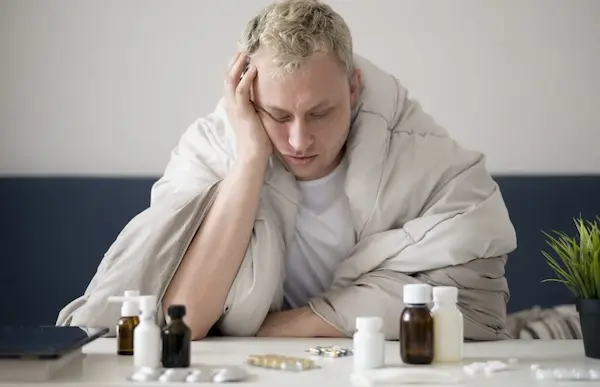
Relapse after addiction treatment does not occur suddenly, but rather goes through several gradual stages that can be noticed and dealt with early before reaching actual use.
-
Emotional Relapse
At this stage, the person does not think about returning to drugs directly, but he experiences negative emotions such as anxiety, tension, loneliness, or anger.
-
Mental Relapse
Here begins the internal conflict between the desire to recover and the desire to return to using.
-
Behavioral or physical relapse
This is the stage in which a person actually returns to using, whether with a small dose or a complete return to addiction.
Warning signs of an impending relapse
The most prominent warning signs that may indicate the imminent occurrence of a relapse after addiction treatment are:
- Social isolation
The person begins to avoid family and friends, and turns away from activities that helped them stay well.
- Severe mood changes
Feeling anxious, depressed, or angry for no apparent reason, which may prompt him to search for drugs as an escape.
- Neglecting self-care
Stop exercising, or neglect sleep and a healthy diet, which weakens the ability to resist.
- Nostalgia for the past associated with addiction
Thinking about places, people or situations that were associated with using, or remembering good times.
- Justification and leniency
Convince yourself that you can try it once or that control is possible after recovery.
- Increased tension and psychological pressure
Facing life problems without getting support or using the right coping strategies.
Symptoms of relapse after addiction treatment
These are the physical, psychological and behavioral changes that appear on a person after he returns to using a narcotic substance again, and they include:
-
- An intense and persistent desire to use: where thinking becomes largely focused on obtaining or using the drug.
- Deteriorating physical health: such as weight loss, constant fatigue, sleep disturbance, or the appearance of withdrawal symptoms when use stops.
- Severe mood changes: such as excessive anxiety, depression, or angry outbursts for no apparent reason.
- Neglecting daily activities: decline in work or school, loss of interest in hobbies or responsibilities.
- Social isolation: staying away from friends or family and becoming closer again to drug buddies.
- Reckless or irresponsible behavior: such as driving recklessly, spending excessively, or engaging in risky activities.
Treatment of relapse after addiction treatment
Treatment requires an integrated plan that puts the person back on the path to recovery and prevents recurrence of falls, which includes:
- Acknowledge the problem and seek help immediately
The first step is to realize that relapse is not a final failure, but rather an obstacle that can be overcome, and then contact a doctor or addiction treatment center to restore the treatment plan.
- Reevaluate your recovery plan
The person may need to modify the treatment program or add more intense psychological or group support sessions to confront the causes of relapse after addiction treatment.
- العلاج السلوكي المعرفي (CBT)
It helps the patient identify the triggers that led to relapse, and develop strategies to deal with them in a healthy manner.
- Drug treatment when needed
Some cases benefit from medications that reduce desire or prevent the effect of the drug on the brain, and are prescribed by a specialist doctor.
- Join support groups
Such as Narcotics Anonymous meetings, where a person gets support from people who have gone through similar experiences.
- تعزيز العادات الصحية
Through exercise, a balanced diet, and improving sleep, which supports physical and psychological health.
- Involve the family in the treatment plan
Training family members on how to support the patient and avoid behaviors that may encourage him to return to drug use.
Frequently asked questions
How long does the relapse last?
The duration of relapse varies from one person to another depending on the type of narcotic substance, the duration of the previous period of abuse, the strength of psychological and social support, and the speed of therapeutic intervention.
Is relapse part of recovery?
Yes, relapse after addiction treatment is a possible part of the addiction recovery journey, as it is common due to the nature of addiction as a chronic disorder.
Does a person return to normal after addiction?
Yes, a person can return to normal after addiction, if he adheres to treatment and psychological and social support, maintains a healthy lifestyle and avoids the causes of relapse.
In conclusion, relapse after addiction treatment represents a common challenge, but it is not the end of the road, but rather an opportunity to re-evaluate and correct the course.
Sources
Addiction Relapse: Risk Factors, Coping & Treatment Options – americanaddictioncenters
