
What concerns some mothers most during pregnancy is understanding the reasons why the fetus does not grow inside the gestational sac, as studies indicate that approximately 15% of pregnancies in the first months may end early;
What is meant by the fetus not growing inside the gestational sac?
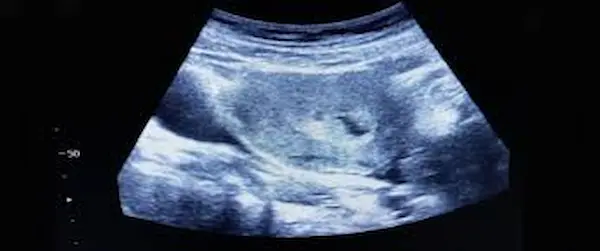
The failure of the fetus to grow inside the gestational sac is what is known medically as a non-embryonic pregnancy or blighted ovum, which means that the gestational sac forms inside the uterus naturally at its beginning, but the fetus itself does not grow inside it or its growth stops very early, so that the sac appears empty when an ultrasound is performed. This usually happens in the first weeks of pregnancy, that is, between the fifth and tenth weeks.
When is a lack of growth inside the gestational sac discovered?
The lack of growth of the fetus inside the gestational sac is often discovered in the first three months of pregnancy, but more clearly:
- In the sixth to eighth week, when the ultrasound is done, the fetus is supposed to appear with a pulse, and if the sac is empty or contains a sac without a fetus, the doctor begins to suspect a non-fetal pregnancy.
- Sometimes the doctor requests a repeat ultrasound after a week to be sure.
- If the sac remains empty until the ninth or tenth week with no fetus or heartbeat, the condition is almost certainly diagnosed.
Symptoms indicating that the fetus has stopped growing inside the gestational sac
In the event that the growth of the fetus stops inside the gestational sac or in a non-fetal pregnancy, some symptoms may appear, and sometimes no clear symptoms appear at first, but the most common symptoms are as follows:
- Light vaginal bleeding or spotting.
- Pain and cramps in the lower abdomen or back, similar to menstrual pain.
- A sudden decrease in pregnancy symptoms, such as the disappearance of nausea, or the stopping of breast tightening.
- Sometimes a brown discharge occurs.
- In some cases, symptoms do not appear at all until an ultrasound is performed and the cyst appears empty.
Learn about: متى تبدا حركة الجنين والفرق بين حركة الذكر والأنثى
أسباب عدم نمو الجنين داخل كيس الحمل
The main reasons for the fetus not growing inside the gestational sac are often related to natural factors outside the mother’s control, the most important of which are:
- Chromosomal disorders: The most common cause, as a defect occurs during the division of the fertilized egg, and thus the development of the fetus stops spontaneously.
- Weak or poor quality of the egg or sperm: If the egg or sperm are not healthy from the beginning, fertilization may occur but without continued embryonic development.
- Hormonal imbalance: Progesterone deficiency, or other hormonal imbalances that may affect the ability of the uterus to support fetal growth.
- Uterine abnormalities: The presence of defects in the lining of the uterus or anatomical abnormalities, such as the uterine septum, may prevent fetal growth.
- Infections or infections: Having a uterine infection or a viral infection, such as cytomegalovirus or rubella, may negatively affect pregnancy.
- Chronic diseases: Diseases such as uncontrolled diabetes or thyroid disorders may affect the development of the fetus.
- Immune factors: autoimmune disorders, or immune incompatibility between the mother and the fetus may lead to failure of the fetus’ growth.
- Environmental and lifestyle factors: Smoking, exposure to toxins, severe stress, poor diet, or alcohol and drug abuse may play a role.
- Maternal age: Advanced age, especially over 35 years, increases the risk of a nulliparity pregnancy;
The role of weak or unstable pregnancy in stopping fetal growth
A weak or unstable pregnancy is one of the most prominent reasons for the fetus not growing inside the gestational sac.
- Progesterone deficiency: It is the hormone responsible for preparing the uterine lining and stabilizing pregnancy, and its decrease is one of the most important reasons that leads to poor fetal growth.
- Poor implantation of the egg: When the egg does not implant well in the uterine lining, sufficient food and oxygen do not reach it, causing growth to stop.
- Premature placental problems: In some cases, the placenta does not form properly, which hinders the access of blood and nutrients to the fetus.
- Other factors: such as infections, immune disorders, or blood clotting problems, which are among the most important reasons for the fetus not growing inside the gestational sac.
How is a case of stunted fetal growth diagnosed?
Diagnosing a case of stunted fetal growth inside the gestational sac is done through several precise steps followed by the doctor to confirm the condition. You can rely on the medical team at the Women’s Health Center at Al Mousa Specialist Hospital to follow the following diagnostic methods.
1. Ultrasound examination:
- It is the primary method where the fetus is supposed to be seen and its pulse heard, starting approximately in the sixth week.
- If the gestational sac appears empty or the fetus has no heartbeat after enough time has passed, this indicates that growth has stopped.
- Measuring the level of the pregnancy hormone BHCG:
- In normal pregnancy, the pregnancy hormone doubles approximately every 48 hours.
- If it is proven that the increase is weak or has stopped, this is evidence that the pregnancy is incomplete or that the growth of the fetus has stopped.
- Recheck after a while:
- Sometimes ovulation may be delayed, causing the fetus to appear later than expected.
- Therefore, the ultrasound is repeated after a week.
Book your consultation now at مركز صحة المرأة At Al Mousa Specialist Hospital.
Tips for pregnant women to reduce the risk of stunting fetal growth
To avoid some of the causes of the fetus not growing inside the gestational sac and ensure a safe pregnancy;
- Regular medical follow-up and periodic examinations and ultrasounds;
- Pay attention to proper nutrition and eat a balanced diet rich in vitamins and minerals, especially folic acid, iron and calcium.
- Maintaining pregnancy hormones by adhering to stabilizing medications under the supervision of a doctor, such as progesterone in cases of poor pregnancy.
- Stay away from smoking, alcohol, and excessive stimulants;
- Control chronic diseases and control blood sugar, blood pressure and thyroid levels;
- Rest, reduce stress, adequate sleep, and stay away from psychological stress;
- Preventing infection, avoiding contact with people infected with a viral infection, and adhering to personal hygiene.
- Follow up on the case at the Women’s Health Center at Al Mousa Hospital, and adhere to the medications and instructions directed to you by the medical team.
Frequently asked questions about the reasons why the fetus does not grow inside the gestational sac
Is it normal for the delayed appearance of the fetus in the gestational sac?
It may be normal if there is delayed ovulation, so it is recommended to repeat the ultrasound after a week to confirm before making a final diagnosis that there is a problem.
When does the fetus begin to grow in the gestational sac?
Usually, the fetus begins to appear on ultrasound around the fifth week, and its pulse is expected to be heard clearly between the sixth and seventh weeks.
What is the recurrence rate of pregnancy with an empty sac?
Pregnancy with an empty sac often occurs only once, and its recurrence rate does not exceed 10 to 15% in women, and most women are able to become pregnant naturally later.
Because knowing the reasons for the fetus not growing inside the gestational sac helps early prevention and reduces risks.
مراجع طبية:
Anembryonic Pregnancy – nih
Blighted ovum – my.clevelandclinic
