We diagnose and treat ear, nose and throat diseases, neck injuries and head diseases.
Department of Ear, Nose and Throat Surgery
About the center
The Otolaryngology Department offers a wide range of treatments for all diseases using the latest diagnostic and treatment methods, such as:
- Sleep apnea.
- Sinuses.
- Head and neck cancer.
- Hearing loss and balance disorders.
- Voice and speech disorders.
- Airway surgery.
- Tracheal stenosis and epiglottic stenosis.
- Tracheostomy.
- Head and face wounds.
- Medical and surgical treatment for hearing loss and balance disorders.
- Neuro-otology.
- Meniere's disease.
- Benign paroxysmal positional vertigo.
- Myringoplasty.
- Treatment of cholesteatoma in the ear by mastoidectomy
- Restoration of the three auditory ossicles.
- Chronic otitis surgery.
- Stirrup osteoarthritis surgery.
- Facial paralysis.
- Sinuses
- Benign and malignant tumors of the sinuses.
- Computer-assisted sinus surgery for the treatment of polyps and tumors.
- Balloon resection of the sinuses.
- Diagnostic evaluations for hearing problems.
- Installing the latest sound amplification systems, hearing aids and accessories
- Follow up and provide advisory services.
- Diagnostic evaluations for balance problems.
- Comprehensive diagnosis of the auditory system and balance
- Speech, language and cognitive disorders.
- Neurological disorders.
- stroke.
- “Functional Connectivity Program” for patients who show symptoms of mild dementia.
- Voice problems with minor endoscopic and laser surgery.
- Voice and swallowing disorders.
- Vocal cord injections.
- Voice diagnosis using imaging techniques and laboratory tests.
- Vocal cord paralysis.
- Hyperfunction of the voice.
- Dysfunction of the vocal cords and dystonia of the larynx and pharynx.
- Conduct an evaluation examination of swallowing using a fiberoptic endoscope.
Speech problems and delayed speech are among the most common problems in the modern era among people in general and children in particular, which require early medical intervention to solve the problem. If specialists are not approached in a timely manner, the problems will continue with the child for life, causing him psychological symptoms and other problems.
The Speech Correction and Speech Delay Clinic at Al Mousa Specialist Hospital specializes in treating speech and speech problems and communication disorders. This clinic deals with various areas related to speech: language, voice, swallowing, and the auditory system.
Children's problems:- Genetic disorders that negatively affect speech, language, and cognitive development, including cleft lip and Down syndrome.
- Attention deficit hyperactivity disorder.
- Autism spectrum disorders.
- Growth retardation.
- Hearing loss
- Craniofacial anomalies that negatively affect speech, language, and cognitive development.
- Delayed speech and language.
- Special linguistic weakness
- Speech disorders.
- Disorders resulting from head injuries in children.
- Difficulty in verbal development.
- Cleft lip.
- The voice of puberty.
- Cerebral palsy.
- Injuries resulting from head trauma.
- Hearing loss and hearing impairment.
- Learning difficulties such as dyslexia.
- Special linguistic weakness
- Hearing disorders.
- Speech disorders such as slurring
- Excessive speed of speech
- Stuttering and inability to speak.
- stroke.
- Voice disorders (dysphonia).
- Language delay.
- Motor speech disorders (dysarthria and dysarthria).
- Naming difficulties.
- Dysgraphia and inability to write.
- Cognitive communication disorders.
- Laryngectomy.
- Tracheostomy.
- Tumors (cancer of the ear, nose or throat).
Adult problems:
- Adults with mild or severe language difficulties as a result of:
- Motor neurone diseases.
- Alzheimer's.
- Dementia and mental illness.
- Parkinson's disease.
- Brain injuries.
- Psychological problems.
- stroke.
- Aphasia (loss of the ability to speak).
Swallowing problems include:
- cricopharyngeal myotomy to treat dysphagia.
- Zenker's diverticulum disease.
- Separating the larynx from the trachea to treat respiratory problems
- Videofluoroscopic examination of swallowing.
- Conduct a clinical behavioral assessment of swallowing.
- Dysphagia including electrical stimulation therapy.
- Dysphagia related to neurological problems and post-radiation fibrosis
- Benign and malignant tumors in the larynx and pharynx.
- Benign and malignant tumors in the salivary glands.
- Siolithiasis.
- Resection of the parotid gland and submandibular salivary gland.
- Pharyngeal tumors.
- Congenital cysts (from birth).
- Gill sac.
- Thyroglossal cyst.
- Obstructive sleep apnea.
- Reduction of nasal corneas.
- melanoma.
- Skull base surgery.
- Laparoscopic pituitary surgery.
Swallowing problems include:
- cricopharyngeal myotomy to treat dysphagia.
- Zenker's diverticulum disease.
- Separating the larynx from the trachea to treat respiratory problems.
- Videofluoroscopic examination of swallowing.
- Conduct a clinical behavioral assessment of swallowing.
- Dysphagia including electrical stimulation therapy.
- Dysphagia related to neurological problems and post-radiation fibrosis.
Start your journey towards better health now
Contact us today to schedule an appointment and begin your journey towards better health.
Department doctors
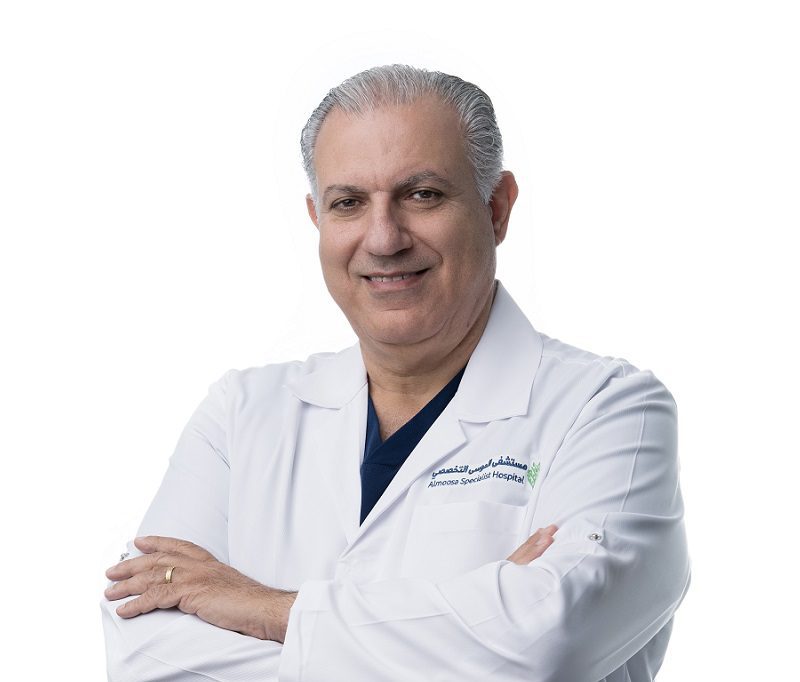
Dr. Milad El Bittar
استشاري انف و اذن وحنجرة
- Al Mousa Specialized Hospital
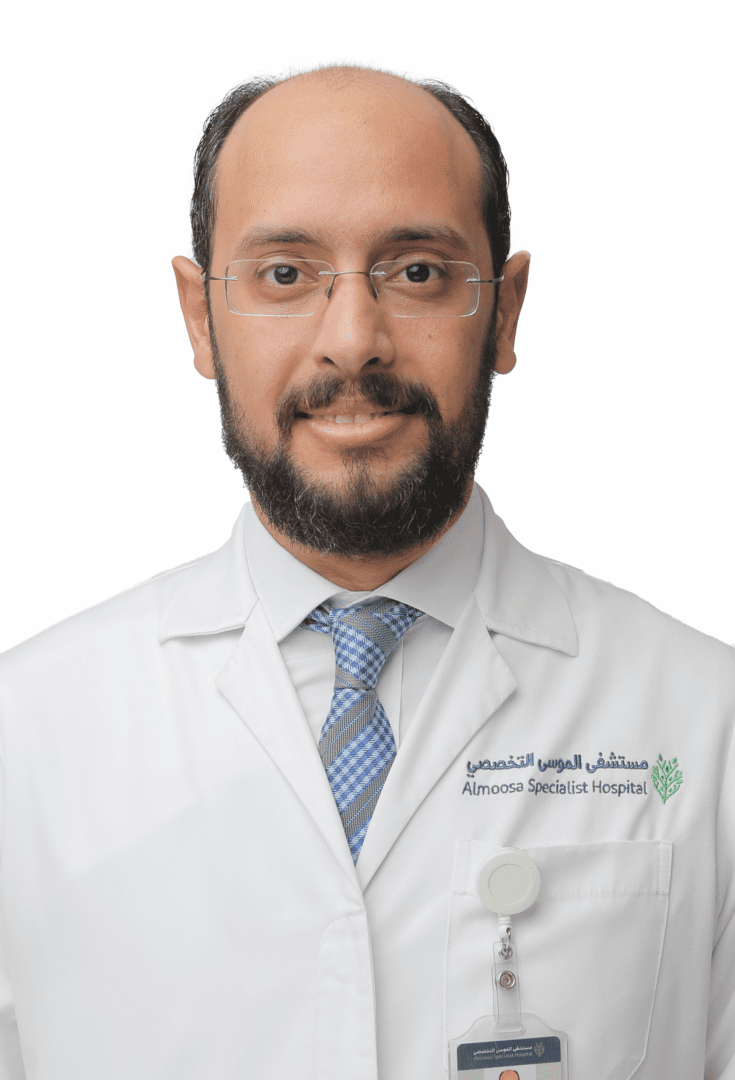
Dr. Mostafa Eissa
اخصائي انف و اذن وحنجرة
- Al Mousa Specialized Hospital