
Diseases of the digestive system The digestive system is one of the most important vital organs in the human body, as it is responsible for the task of digesting food and absorbing nutrients necessary for life. However, it is vulnerable to a large number of diseases and disorders that may affect its efficiency and vital functions. Digestive system diseases include simple problems such as indigestion and bloating, and others that are chronic or serious, such as stomach ulcers, intestinal infections, and esophageal reflux, which makes early diagnosis and treatment necessary to maintain the health of the digestive system.
Types of gastrointestinal diseases
Digestive system diseases vary according to their cause and the nature of their impact on the internal organs, and they can be divided into main groups that help in understanding their nature and methods of treatment. to :
- Inflammatory diseases such as gastritis and ulcerative colitis, which lead to irritation and swelling of the lining of the digestive tract.
- Functional diseases include disorders such as irritable bowel syndrome, which are associated with impaired bowel movement without obvious organ damage.
- Structural diseases, such as ulcers, hiatal hernias, and intestinal obstructions, result from changes in the structure of organs or their tissues.
- Infectious diseases caused by bacteria, viruses or parasites such as food poisoning or salmonella infection.
- Gastrointestinal tumors Whether benign or malignant, such as colon or stomach cancer, it is considered one of the most dangerous diseases.

ما What are the symptoms of a weak digestive system?
Symptoms of a weak digestive system vary from one person to another depending on the type of disorder and its cause, but they often appear in the form of annoying digestive problems that affect the body’s comfort and general health. The following are the types of these: الأعراض:
- الانتفاخ والغازات As a result of slow digestion or fermentation of food in the intestine.
- indigestion A feeling of fullness or heaviness after eating even small amounts.
- Heartburn and acid reflux Due to a weak valve between the esophagus and the stomach, which causes a burning sensation in the chest.
- Frequent constipation or diarrhea They are two of the most common signs of a weak digestive system, as they indicate an imbalance in bowel movement.
- Nausea or vomiting Especially after eating fatty or unbalanced meals.
- Loss of appetite or feeling full quickly Which sometimes leads to weight loss.
- Bad breath As a result of the accumulation of food residues and difficulty in digesting them completely.
These symptoms are an indicator that requires attention and care for the health of the digestive system by modifying lifestyle and consulting a doctor if the problem persists.
Symptoms of gastrointestinal diseases
Some digestive system diseases show clear symptoms on the skin, as the health of the digestive system is closely linked to the health of the skin through the immune system and bacterial balance in the intestine. These skin symptoms can be observed as early signs of an internal defect, the most important of which are: ما يلي:
- Skin rash and constant scratching It is often seen in people with disorders such as celiac disease, celiac disease, wheat allergy, or liver disease.
- Redness and skin spots Especially in cases of chronic intestinal inflammation such as Crohn's disease or ulcerative colitis.
- Chronic acne Poor digestion and accumulation of toxins are linked to increased skin infections and the appearance of pimples.
- Pale or yellowing of the skin It is observed in cases of liver disease or obstruction of the bile ducts.
- Dry skin and cracks As a result of poor absorption of essential vitamins and minerals such as Vitamin A And E and zinc.
- Mouth and skin ulcers It is one of the signs associated with some immune diseases related to the digestive system.
Noticing such skin changes may be an indication of digestive disorders. Therefore, it is recommended to consult a doctor to conduct the necessary tests and make an accurate diagnosis.
Also see about : Dermatology and beauty clinics at Al Mousa Health Group
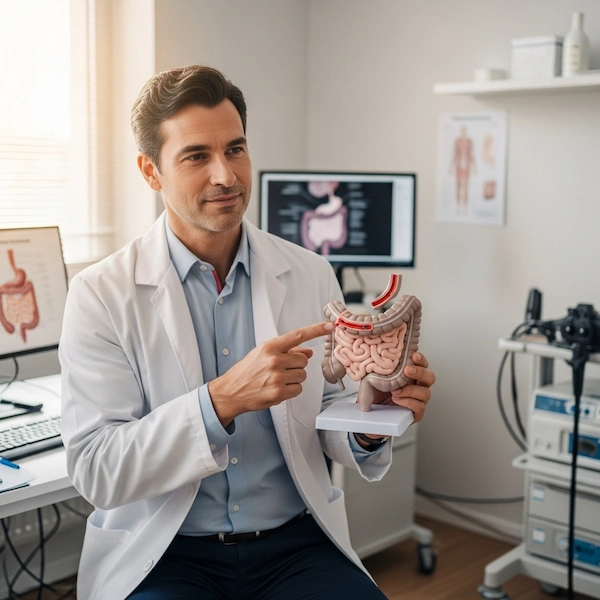
Symptoms of digestive system diseases that require a visit to the doctor
Some symptoms of digestive system diseases may be simple and temporary, but there are certain signs that are a warning that requires consulting a doctor immediately to avoid serious complications. The following are: The most important symptoms that require medical intervention are:
- Severe or persistent abdominal pain Especially if it is accompanied by bloating or hardness in the abdomen, it may indicate an intestinal obstruction or acute inflammation.
- Bleeding in the stool or blood reflux This is a serious sign that may indicate a bleeding ulcer or internal bleeding in the stomach or intestines.
- Unexplained weight loss When it occurs without dieting, it may be the result of malabsorption or chronic diseases of the digestive system.
- Sudden changes in bowel movement Such as constipation or diarrhea lasting more than two weeks, which requires careful medical evaluation.
- اصفرار الجلد والعينين Which often indicates liver problems or bile duct obstruction.
- Difficulty swallowing or pain while eating It may be caused by chronic esophageal reflux, infections, or tumors in the esophagus.
- Repeated nausea and vomiting Especially if it comes with dizziness, dehydration, or general weakness.
The appearance of any of these symptoms requires consulting a specialist doctor as soon as possible because early diagnosis contributes to treating the problem effectively and prevents its development into more serious conditions.
Learn about: Digestive Diseases Center in Al-Moosa Health
What are immune diseases of the digestive system?
Immune diseases of the digestive system are among the most complex disorders in which the immune system attacks the cells of the intestine, stomach, or liver by mistake, leading to chronic inflammation and disturbance in the absorption of nutrients. We will mentionThese diseases:
- Crohn's Disease A chronic inflammatory bowel disease that causes deep ulcers and inflammation in the wall of the digestive tract and can affect any part of the mouth, even the rectum.
- Ulcerative colitis It affects the lining of the colon and rectum and leads to ulcers and chronic bleeding with abdominal pain and bloody diarrhea.
- Celiac disease It occurs due to the immune system's sensitivity to gluten found in wheat and barley, which causes damage to the lining of the small intestine and poor absorption of food.
- Autoimmune hepatitis The immune system attacks liver cells, causing inflammation that may develop into cirrhosis if not treated early.
- Primary biliary cholangitis It affects the tiny bile ducts inside the liver and leads to the accumulation of toxins and the gradual deterioration of liver function.
- Autoimmune pancreatitis A rare condition in which the immune system attacks pancreatic cells, leading to a defect in the production of digestive enzymes and insulin.
These diseases require accurate diagnosis and long-term treatment under the supervision of a doctor specializing in immunological and gastrointestinal diseases, as treatment often depends on medications that reduce the activity of the immune system and careful nutritional modifications to maintain the stability of the condition.
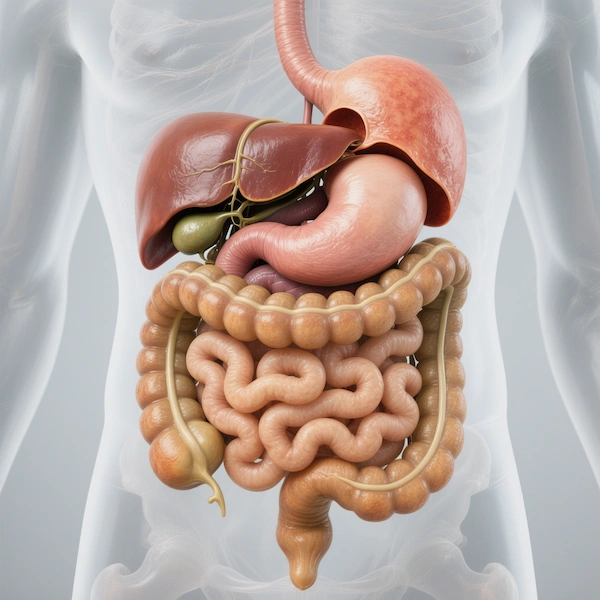
Prevention of gastrointestinal diseases
Preventing digestive system diseases begins with following a healthy lifestyle that focuses on proper nutrition, personal hygiene, and balanced daily habits. With these simple steps, many annoying digestive disorders can be avoided, which we will mention. The most important methods of prevention:
- اتباع نظام غذائي صحي ومتوازن Eat more vegetables, fruits, and natural fibers, and reduce fatty, fried, and canned foods.
- Drink sufficient amounts of water To maintain hydration of the digestive system, facilitate bowel movement, and prevent constipation.
- ممارسة النشاط البدني بانتظام Exercise helps stimulate bowel movement and improve digestion.
- تجنب التدخين والكحول They are among the factors that most negatively affect the stomach and liver and increase the risk of ulcers and infections.
- Maintain personal and food hygiene By washing hands before eating and cooking food well to avoid bacterial or viral infection.
- Avoid excessive stress and anxiety Because the digestive system is directly affected by the psychological state, which may lead to irritable bowel syndrome or stomach disorders.
- Periodic medical examination For early detection of any abnormal symptoms, especially in those with a family history of digestive system diseases.
By following these tips, you can maintain the health of the digestive system and prevent many diseases that affect the quality of life and proper digestion.
Frequently asked questions about gastrointestinal diseases
Does psychological stress play a role in digestive system problems?
Yes, stress and anxiety negatively affect bowel movement and the secretion of digestive juices and may lead to irritable bowel syndrome or chronic indigestion.
What are the most common diseases of the digestive system?
Such as esophageal reflux, stomach ulcers, irritable bowel syndrome, stomach infections, chronic constipation, and gallstones.
Can gastrointestinal diseases be serious?
Some of them are simple and easily treated, but others, such as chronic stomach ulcers, hepatitis, or colon cancer, may be serious and require careful medical follow-up.
Do digestive system diseases affect the absorption of vitamins?
Yes, some conditions, such as intestinal inflammation or wheat allergy, reduce the body’s ability to absorb important vitamins and minerals, leading to general weakness or anemia.
Do not hesitate to take the first step towards your health. Visit Al Mousa Specialist Group website now to obtain the latest medical services, book your appointments easily, and get to know an elite group of specialized doctors. Discover more now through our website. Official مجموعة الموسى التخصصي And start your journey towards the distinguished medical care you deserve.
