

Almoosa Rehabilitation Hospital
Technology to help you move forward.
Walking with more confidence. Using your hand for everyday tasks. Explore the technology that can support your rehabilitation goals.
Explore by what you want to improve
11 technologies and treatment units
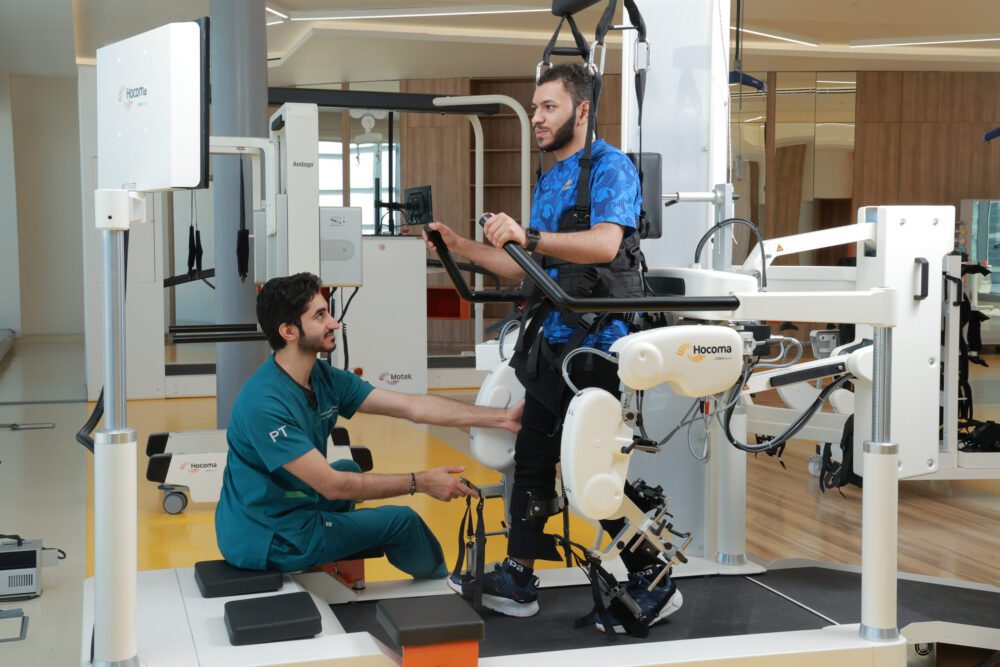
Lokomat
Walking after a stroke
A robotic system supports your body weight and guides your legs as you practice a walking pattern at your own level.
How can this help?
What you can work on
- Repeat stepping movements with support adjusted to your needs.
- Track your walking performance so your therapist can adapt your sessions.
When it may be part of your care
Walking difficulties after a stroke or spinal cord injury, and certain neurological conditions such as multiple sclerosis or cerebral palsy.
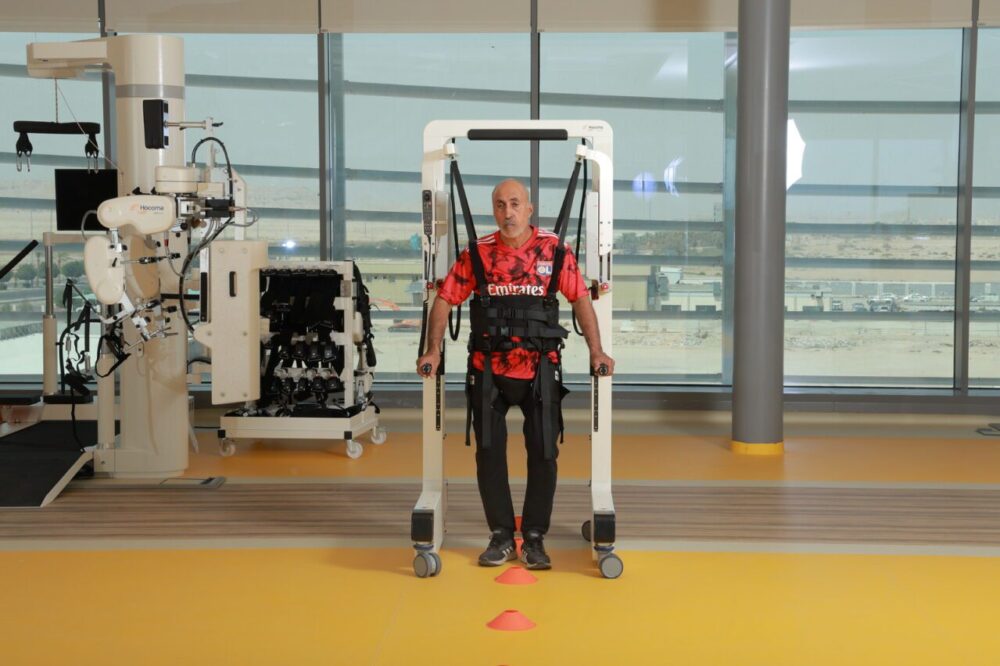
Andago
More support while you walk
Body-weight support helps you practice walking over the ground, including moving forward and changing direction.
How can this help?
What you can work on
- Practice walking and balance in a setting closer to everyday movement.
- Receive adjustable support as your therapist guides your training.
When it may be part of your care
Walking difficulties after a stroke, spinal cord injury, certain neurological conditions or lower-limb surgery.
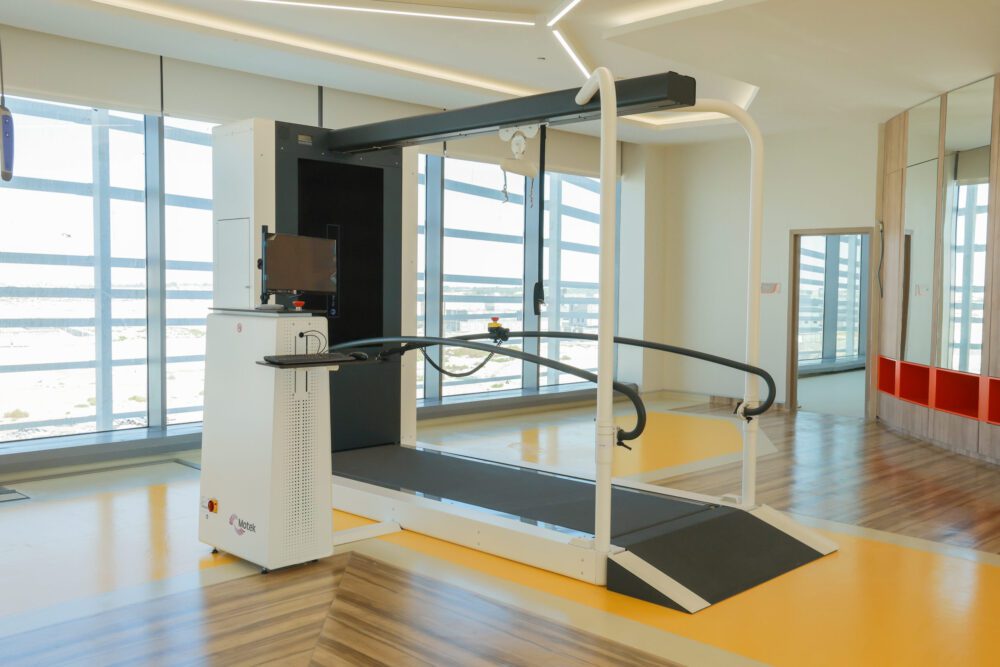
C-Mill
Steadier steps in everyday situations
Visual cues and simulated obstacles turn treadmill walking into practice for everyday challenges.
How can this help?
What you can work on
- Practice adjusting where and when you step.
- Work on balance and adapting your walk to changing situations.
When it may be part of your care
Gait and balance difficulties that make changing direction or stepping around obstacles challenging.
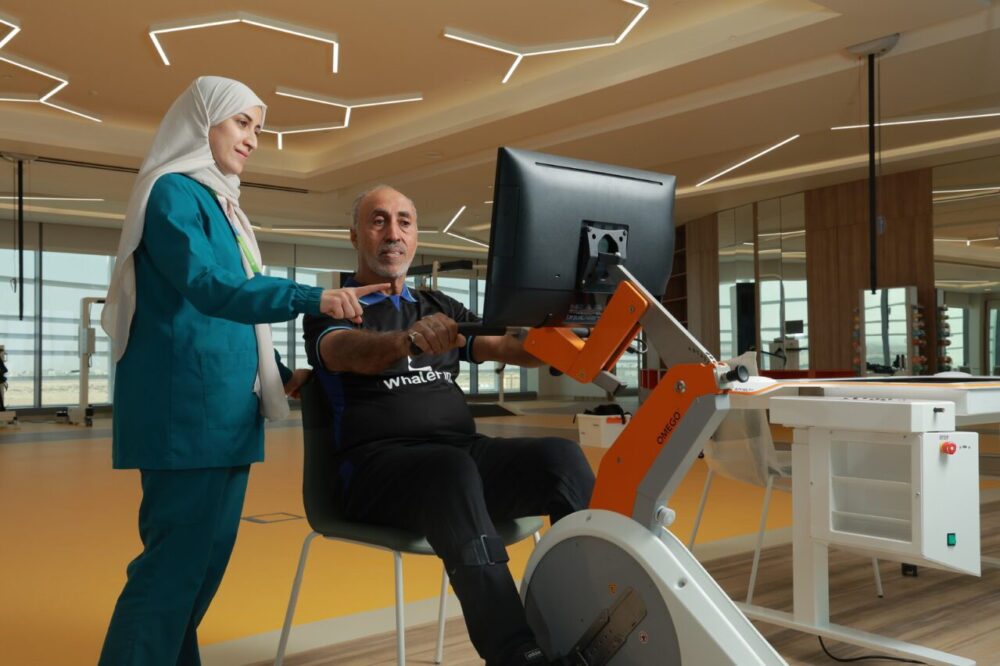
OMEGO
Building strength for movement
Adjustable lower-limb exercises help you work on movement, strength and endurance at a level that suits you.
How can this help?
What you can work on
- Practice leg movements that support walking.
- Work with your therapist to adjust the challenge and track your progress.
When it may be part of your care
Weakness or reduced lower-limb movement during neurological or orthopedic rehabilitation.
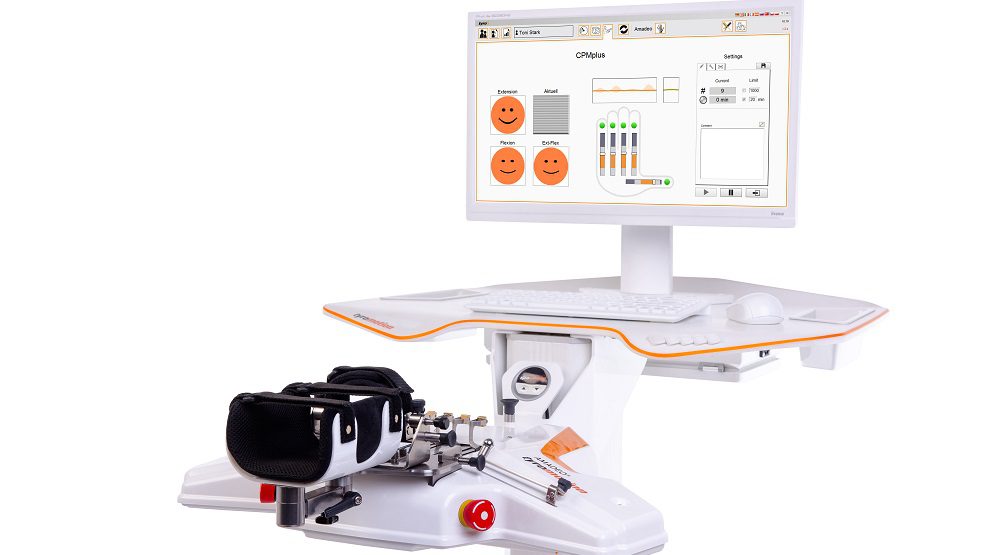
AMADEO
Opening your hand. Moving your fingers.
Robotic support helps you practice grasping and extending your fingers, with assistance matched to your abilities.
How can this help?
What you can work on
- Work on finger movement and range of motion.
- Measure movement and strength to help your therapist track changes.
When it may be part of your care
Hand and finger weakness after a stroke or nerve injury, based on your rehabilitation assessment.
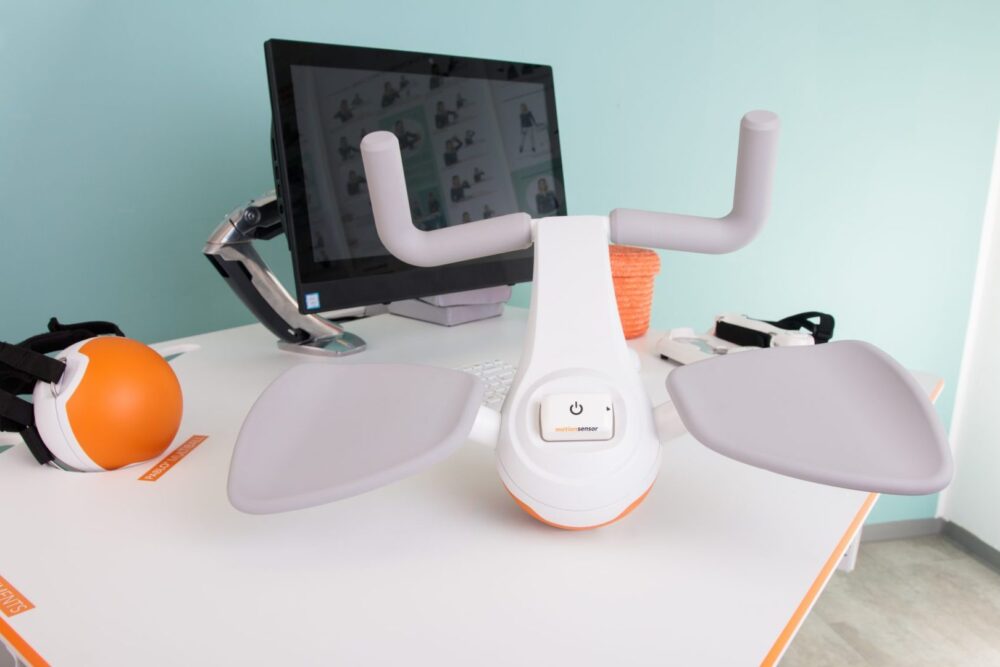
PABLO
A stronger grip on daily tasks
Sensors turn hand and arm movements into interactive exercises while measuring grip strength and range of motion.
How can this help?
What you can work on
- Practice grasping and controlling hand and arm movements.
- Work on coordination through interactive tasks with feedback on your performance.
When it may be part of your care
Movement and coordination difficulties during neurological rehabilitation, including recovery after a stroke.
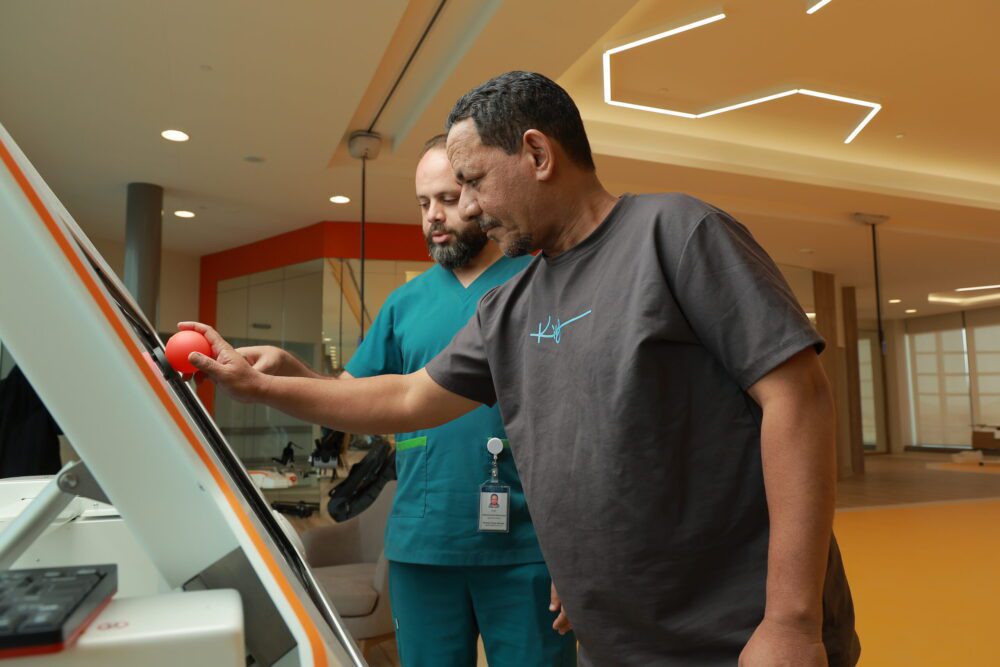
MYRO
Bringing focus and movement together
Touch, reach and move real objects on an interactive surface to practice hand movement and thinking skills together.
How can this help?
What you can work on
- Work on hand-eye coordination and handling everyday objects.
- Practice attention and visual processing through tasks selected by your therapist.
When it may be part of your care
Upper-limb movement difficulties or challenges with attention and visual processing during rehabilitation.
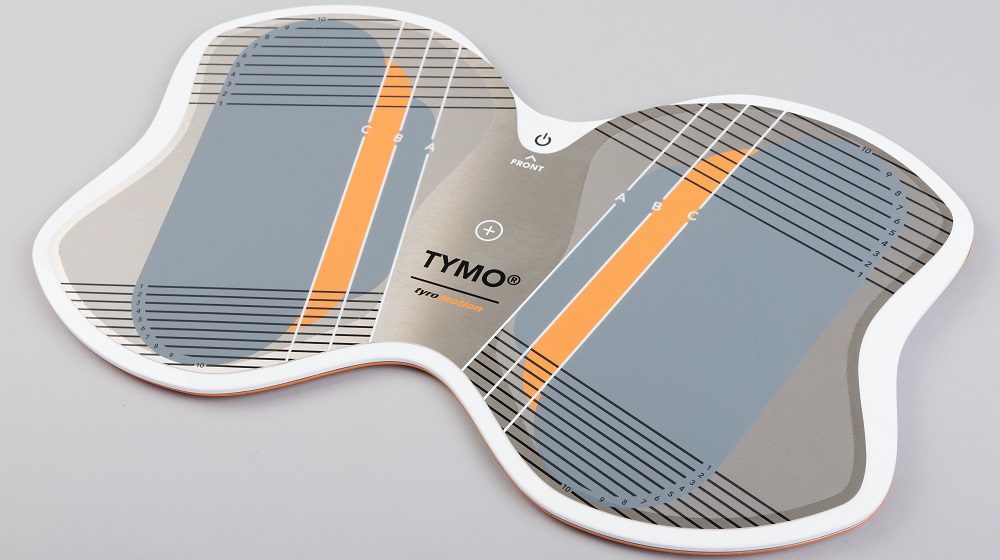
TYMO
Working toward better balance
An interactive platform measures weight distribution as you practice balance and control of your posture.
How can this help?
What you can work on
- Practice shifting your weight in positions chosen by your therapist.
- Use performance feedback to guide exercises matched to your abilities.
When it may be part of your care
Balance and coordination difficulties related to neurological or orthopedic conditions.
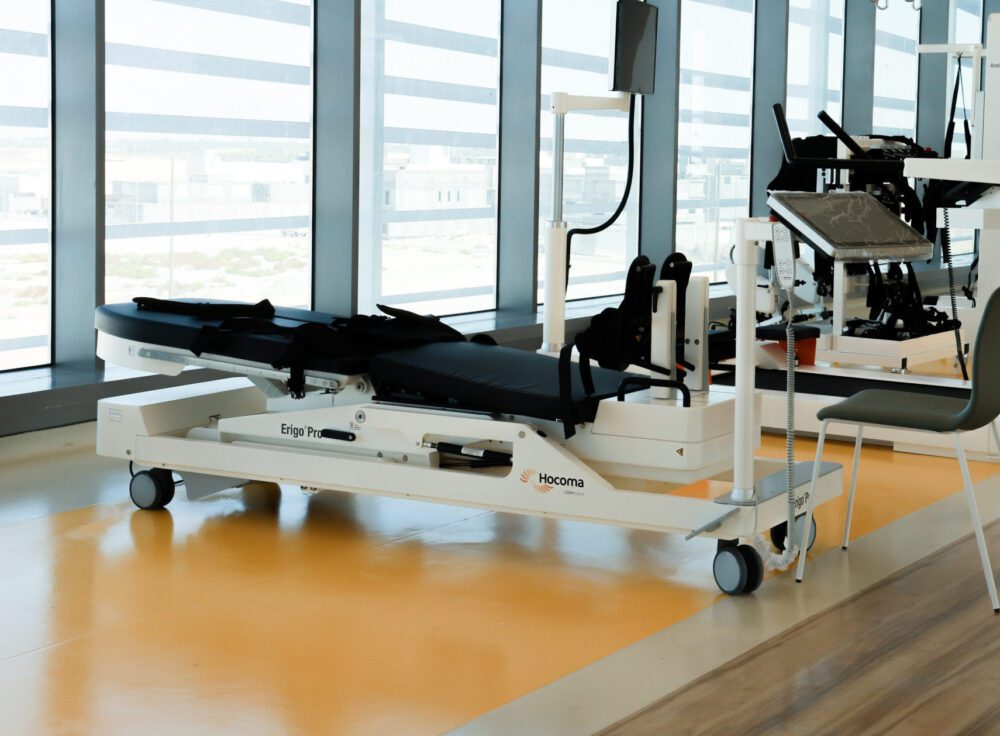
Erigo
Taking the first steps toward standing
Gradual upright positioning and guided leg movement support early rehabilitation when standing is difficult.
How can this help?
What you can work on
- Build tolerance for an upright position with body support.
- Move your legs during the early stages of rehabilitation.
When it may be part of your care
Severely limited mobility during early rehabilitation, including certain stroke and spinal cord injury cases.
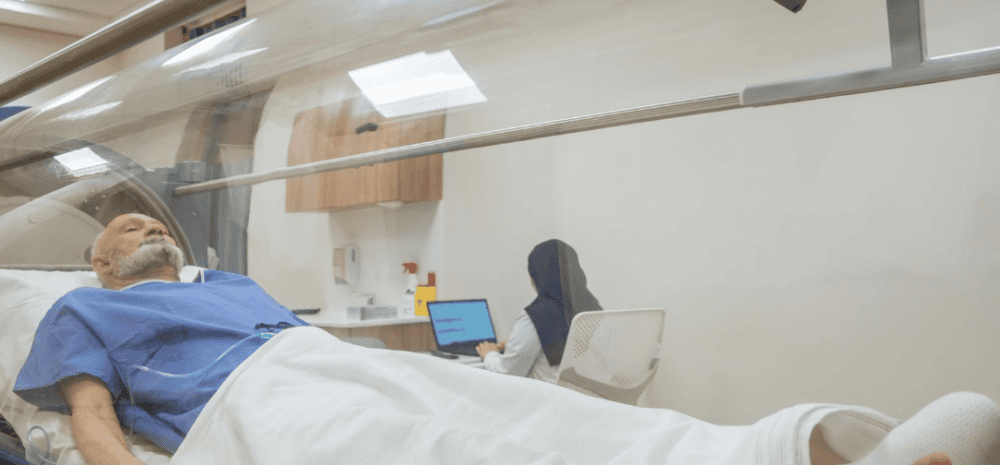
Hyperbaric Oxygen Therapy
Support for wounds that are slow to heal
Breathing oxygen in a pressurized chamber delivers more oxygen to tissues as part of treatment for selected conditions.
How can this help?
What you can work on
- Support tissue healing alongside a comprehensive wound care plan.
- Receive treatment tailored to your diagnosis and response.
When it may be part of your care
Certain diabetic foot ulcers, nonhealing wounds and radiation-related tissue injuries, after a medical assessment.
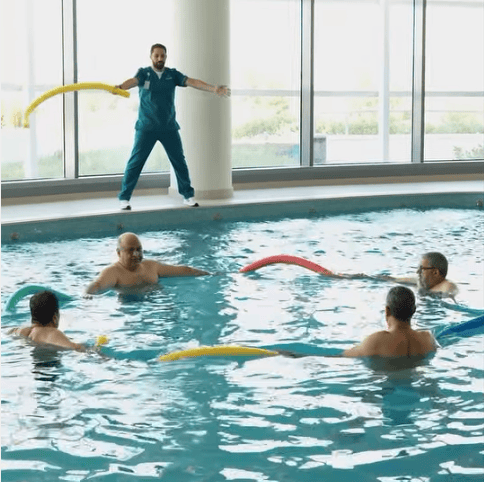
Aquatic Therapy
When joint pain makes exercise difficult
Water supports your movement and reduces the load on your joints during exercises guided by your physical therapy team.
How can this help?
What you can work on
- Work on flexibility, strength and balance in the water.
- Practice movement when exercise on land is difficult or painful.
When it may be part of your care
Certain joint and mobility problems, and rehabilitation after surgery when your care team determines it is appropriate.