
There are a group of early signs and changes that may indicate the occurrence of pregnancy. Although there are symptoms that confirm the presence of pregnancy in the first week, they may differ from one woman to another and from one pregnancy to another. Observing them may give you an initial idea of what is happening in your body.
Some women may feel one or more of these signs, while others go through a completely different experience without any noticeable symptoms. In any case, whether you notice these signs or do not notice any of them, the only sure way to verify the presence of pregnancy is to take a pregnancy test.
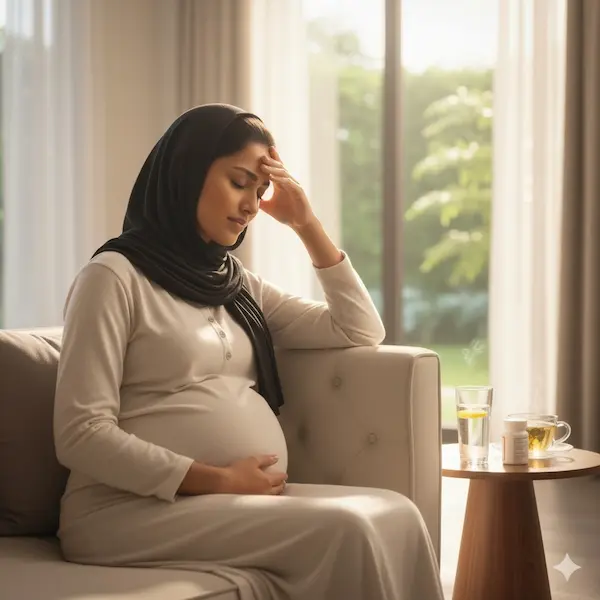
Pregnancy Timeline from Period to Implantation: When Do the First Pregnancy Symptoms Start?
To clearly understand the timing of symptoms, It is useful to know the pregnancy timeline from its beginning:
- First day of the course: This day is the beginning of the medical calculation of pregnancy, even if you are not pregnant yet.
- Days between approximately day 12 and day 16: During this period, ovulation occurs, and this timing varies from one woman to another depending on the length of the menstrual cycle.
- Within 24 hours after ovulation: If sexual intercourse occurs in the few days before ovulation or on the day of ovulation without the use of contraception, fertilization may occur when the sperm meets the egg — which is where pregnancy actually begins.
- 7 to 9 days after ovulation: The fertilized egg moves to the uterus and begins to implant in its lining.
Once the implantation process is complete, the body begins to secrete the pregnancy hormone into the blood and urine, so that the pregnancy test result becomes visible.
اقرأ ايضاً: كيف تظهر علامات الحمل الأولى؟ دليل تفصيلي لكل امرأة
Signs and symptoms that confirm the presence of pregnancy in the first week
- Delayed menstruation: Absence of menstruation is one of the most common early signs that make a woman suspect pregnancy, especially if her menstrual cycle is regular.
- Implantation bleeding: Some women may notice light bleeding or spotting at the time of their expected period.
- Changes in the breasts: You may notice that the size of your breasts increases or swells clearly, and you may feel pain or increased sensitivity similar to the sensation that precedes your period. The veins in the breast may also become more prominent, the color of the nipple darkens and the area of the areola surrounding it increases. These are natural changes and result from the effect of the hormones associated with pregnancy.
- Fatigue or exhaustion: Feeling extremely tired is a very common early symptom of pregnancy. In the first weeks, you may feel unusually tired, and this is likely due to high levels of some hormones, such as progesterone.
- غثيان الصباح: Nausea, with or without vomiting, is one of the most well-known symptoms of pregnancy. This feeling may begin between the second and eighth weeks, and often disappears by the sixteenth week.
- Hyperemesis gravidarum: While morning sickness is common, there is a more severe form known as hyperemesis gravidarum, which affects 1 to 3 in 100 pregnant women.

Less common pregnancy symptoms that you may not notice at first
Although some early pregnancy symptoms are known and common, there are less common signs that may appear in some women, and reveal the presence of pregnancy in an accurate and early way, Which is represented Below:
- كثرة التبول: Starting from the sixth to eighth weeks of pregnancy, you may feel a frequent desire to urinate. This is due to increased blood flow in the body, which makes the kidneys work harder to get rid of fluids and waste. The enlarged uterus also plays an additional role, as it puts pressure on the bladder at the beginning of pregnancy.
- Mood swings: Hormonal changes at the beginning of pregnancy cause some mood swings, and you may find yourself crying or feeling overly sensitive for no apparent reason.
- Food cravings: Do you suddenly find yourself craving pickles or ice cream?
- Changes in food preferences and aversion to certain foods or smells: You may find yourself suddenly abstaining from eating certain foods or drinks that you used to eat. These changes are usually related to hormonal fluctuations that cause greater sensitivity to smells and different trends in taste.
- Convulsions: You may experience mild cramps at the beginning of pregnancy similar to those that accompany the menstrual cycle, as the uterus begins to expand to prepare for the growth of the fetus.
- Bloating: Bloating is a common symptom at the beginning of pregnancy, and is primarily caused by hormonal changes that occur within the body.
- Back pain and headache: Back pain and headaches are very common symptoms among pregnant women. With the beginning of pregnancy, the body's ligaments begin to soften in preparation for the growth phase, and this change may put pressure on the joints surrounding the pelvis and lower back, causing pain.
- Constipation: It is very normal to feel constipated early in pregnancy, due to increased production of hormones such as progesterone.
- Vaginal discharge: You may notice an increase in the amount of vaginal discharge during pregnancy, and this is normal as long as the discharge is odorless and does not cause itching or burning.
- varicose veins: Varicose veins may usually appear in the third trimester of pregnancy, but they may also begin to appear once progesterone levels rise in the early stages.
- Heartburn and indigestion: The level of progesterone increases during pregnancy, which causes the valve separating the stomach and esophagus to relax.
- البواسير: Hemorrhoids affect about 30% to 40% of pregnant women.
اقرأ ايضاً: اعراض الحمل: كيف تميزين العلامات الأولى وتفريقها عن الدورة
Can early signs of pregnancy be confused with premenstrual syndrome?
When waiting for her period, a woman may begin to notice a group of symptoms that resemble early signs of pregnancy, such as pain and swelling of the breasts, a feeling of fatigue, mood swings, and a sudden desire to eat sweets such as Chocolate. وهنا يبرز السؤال: هل هذه بالفعل أعراض حمل مبكرة، أم أنها مجرد مؤشرات اعتيادية تسبق الدورة الشهرية؟
Although there is indeed a great similarity between the first symptoms of pregnancy and premenstrual syndrome, if there is suspicion of pregnancy and an unwillingness to wait until the expected period, an early pregnancy test can be used to help detect.
اقرأ ايضاً: أعراض الحمل مع الشريحة وهل تتحرك من مكانها
Frequently asked questions
Is it possible to feel early pregnancy symptoms without actually being pregnant?
Some common signs — such as bloating, breast engorgement, or general fatigue — are not unique to pregnancy and may easily appear with premenstrual syndrome.
Is it normal to continue menstruating during pregnancy?
It is not normal for a menstrual cycle to occur during pregnancy. Bleeding in early pregnancy may sometimes indicate the risk of early miscarriage. However, some women experience light bleeding without it affecting the normal course of pregnancy. If any bleeding is noticed, it is necessary to discuss the issue with the doctor or midwife, and an early ultrasound examination may be requested to be reassured.
How do I distinguish between normal discharge during pregnancy and vaginal problems?
Normal secretions are white or clear and odorless.
Do all women feel early nausea in the first week?
No, nausea varies from one woman to another.
When does a pregnancy test become reliable after fertilization?
Usually 7 to 10 days after ovulation and implantation, pregnancy hormone levels begin to rise in the blood and urine to show an accurate result.
Are you looking for symptoms that confirm the presence of pregnancy in the first week with confidence and without confusion? Al Mousa Health Group Which provides you with reliable guidance and specialized care from the first moment you discover your pregnancy, so that you can begin your maternal journey in safety and reassurance.