
Breast cancer symptoms are among the most important indicators that every woman should monitor for early detection of the disease. Breast cancer appears with several signs that may differ from one person to another, including changes in the size or shape of the breast or the appearance of a palpable lump upon self-examination. Symptoms may also include changes in the skin of the breast such as redness, ulcers, or unusual wrinkles.

Symptoms of breast cancer
Early recognition of the symptoms of breast cancer is an essential step for early detection and effective treatment, as the signs vary from one person to another, but they provide clear indicators that require an immediate visit to the doctor. They are as follows:
- The presence of a lump or lump in the breast or under the armpit is often painless and requires careful examination.
- A change in the size or shape of the breast, such as swelling or shrinkage, that appears suddenly compared to the normal position.
- Skin changes such as redness, peeling, or the appearance of pits resembling an orange peel.
- A change in the nipple, such as shrinkage, leakage, or abnormal discharge.
- Persistent pain in the breast or nipple that is different from the usual pain before menstruation.
- A change in skin texture, such as thickening or swelling in a specific part of the breast.
- The appearance of clear veins or red capillaries on the surface of the skin indicates possible blood changes.
- Swollen lymph nodes under the armpit or around the collarbone may be a sign of the spread of the disease.
- Bleeding or nipple discharge not related to breastfeeding requires urgent examination.
- Changes that are felt when touching the breast, such as hard or irregular areas, require prompt medical evaluation.
What medical tests are necessary to diagnose breast cancer in women?
Diagnosing early breast cancer is one of the most important steps for effective treatment and success in combating the disease, and Al Mousa Health Group offers a package of accurate tests for diagnosis, They are as follows:
- Clinical examination of the breast by a specialist doctor to check for any lumps or abnormal changes.
- Mammogram (X-ray) for early detection of small tumors that may not be felt by touch.
- Ultrasound to examine soft tissues and differentiate between solid and liquid masses.
- Breast magnetic resonance imaging (MRI) to obtain accurate images in cases of high breast density.
- Breast biopsy (Biopsy) to remove a sample of suspicious tissue to analyze for the presence of cancer cells.
- Blood tests and laboratory analyzes to evaluate potential biomarkers associated with breast cancer.
- Genetic tests when needed to determine the presence of mutations that increase the risk of breast cancer.
- Interventional ultrasound imaging to more accurately guide the biopsy when needed.
- Follow up periodic examinations on a regular basis to ensure early detection of any new changes in the breast.
How to treat breast cancer in women through Al Mousa Health Group
Our center offers integrated treatment programs for breast cancer that focus on providing advanced medical care with careful follow-up for each case. The treatment plan depends on the accurate diagnosis and stage of the disease for the best possible recovery results. They are as follows:
Accurate examination and diagnosis
The process begins with a comprehensive evaluation that includes advanced medical examinations such as mammography, MRI, and various analysis laboratories. This accurate diagnosis helps to determine the type of tumor and the stage of the disease reliably.
Surgery and tumor removal
Surgery is considered the first step in many cases, as the tumor is removed while preserving as much healthy breast tissue as possible. In some cases, the operation may require the removal of nearby lymph nodes to monitor the spread of the disease.
Radiotherapy
Radiotherapy is used after surgery to destroy any remaining cancer cells and reduce the risk of relapse. The technology relies on advanced devices that allow the rays to be directed precisely to the target area while protecting the surrounding healthy tissue.
Chemotherapy
Chemotherapy is applied in some cases to reduce the size of the tumor before surgery or to attack metastatic cancer cells after surgery. Medicines are chosen according to the type of cancer and stage of the disease with careful follow-up to reduce side effects.
Hormonal therapy
Hormonal therapy is used for women who have tumors that depend on hormones for their growth. This treatment helps reduce the effect of hormones on cancer cells, which reduces the possibility of tumor growth and spread.
Targeted and immunotherapy
These treatments focus on specifically targeting breast cancer cells, which increases the effectiveness of treatment and reduces damage to healthy cells. This includes the use of targeted drugs or strengthening the immune system to better fight the cancer.
Psychological support and continuous follow-up
The group provides psychological support sessions for patients to deal with the psychological pressures associated with treatment, in addition to periodic follow-up after the end of treatment to monitor the health condition and prevent any possible complications.
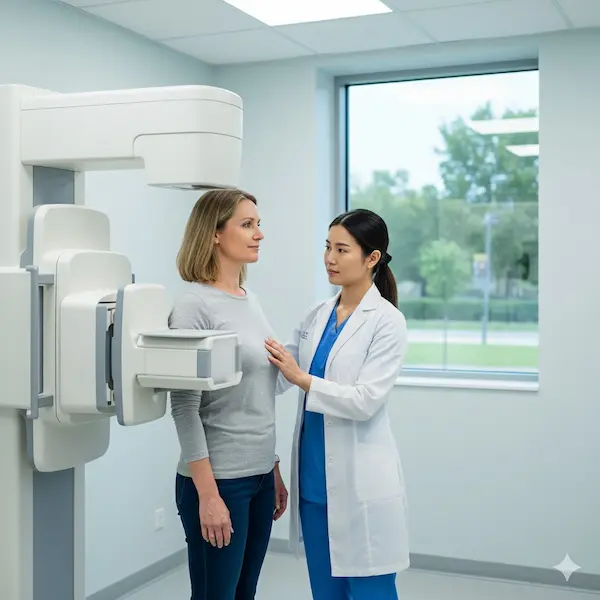
Do breast cancer symptoms differ from one woman to another?
Breast cancer symptoms vary from one woman to another based on several factors, which makes personal awareness and regular medical follow-up essential for early detection and effective treatment. This is as follows:
- The age of the woman, as some symptoms appear differently between young and older women.
- Breast tissue density. Dense breasts may make it difficult to notice small lumps compared to less dense breasts.
- Family and genetic history, the presence of genetic mutations or a previous infection in the family may affect the nature of symptoms.
- Hormones: The level of hormonal changes such as pregnancy or menopause may change the appearance and symptoms of lumps.
- Pregnancy and breastfeeding, as normal breast features can change and some early signs are difficult to recognize.
- The presence of other health conditions, such as infections or benign tumors, may affect the appearance of symptoms and distract from them.
- Lifestyle and nutrition can affect the speed at which tumors grow and the appearance of symptoms differently.
- Psychological and physical factors, as stress or weight problems may affect the observation of subtle changes in the breast.
- Type of cancer and stage of disease. Some types may cause visible lumps while others appear with changes in the skin or nipple.
Stages of breast cancer
To understand the cure rate for breast cancer, it is first necessary to know the different stages of the disease, as treatment and opportunities differ according to each stage. The following is an explanation of each of its stages:
Zero phase
The luteal stage represents the precancerous stage in which cells are abnormal but have not yet transformed into full-fledged cancer cells, and this early detection allows effective preventive intervention before the tumor develops.

First stage
At this stage, the tumor is small and limited to the breast or has slightly extended to nearby lymph nodes. The chances of treatment are often high, and surgery or local treatment are effective options to get rid of the tumor.
The second stage
The tumor continues in the breast and may spread to the lymph nodes under the armpit, and its size is approximately between 2 and 5 cm. This stage usually requires an integrated treatment plan that includes surgery and perhaps chemotherapy to reduce the size of the tumor and prevent its spread.
The third stage
This stage is characterized by the spread of cancer beyond the breast, such as the chest wall and some areas Lymph nodes A little further, this stage requires more comprehensive treatment, including surgery, chemotherapy and radiotherapy to ensure the disease is controlled.
Fourth stage
Stage 4 is the most advanced, as the cancer has spread to distant organs such as the lung, liver, kidney, or brain. Treatment at this stage focuses on reducing symptoms and slowing the progression of the disease while improving the patient's quality of life through supportive care.
Frequently asked questions
What is the first sign that may indicate breast cancer?
The most common sign is a lump or enlargement in one breast on self-examination, so it is important to monitor any small changes and seek prompt medical evaluation.
Is nipple discharge always a dangerous sign?
Not all secretions are dangerous, but bloody or abnormal secretions require a visit to the doctor. Early diagnosis helps determine the cause and treat it quickly.
How does early detection help treat breast cancer?
Early detection greatly increases the chances of successful treatment and complete recovery, as well as periodic examinations and regular self-examination help to detect the disease in its early stages.
In conclusion, breast cancer symptoms are the primary indicator for early detection and effective treatment Al Mousa Health Group You will receive accurate medical consultations and advanced examinations that will help you monitor your health with confidence, as we provide early detection programs that include all modern technologies to ensure patients’ comfort and reassurance, so do not hesitate andContact us now Protect yourself with awareness and regular examination.
