
Bacterial vaginosis is a common condition that affects many women at different ages, and this disease can cause disturbing symptoms that affect a woman’s quality of life and self-confidence. In this article, we will discuss in detail the causes and risk factors for bacterial vaginosis, in addition to the distinctive symptoms and methods of diagnosis and treatment available at Al Mousa Specialist Hospital, with the aim of providing a comprehensive understanding of this health condition and how to deal with it effectively.
What is bacterial vaginosis
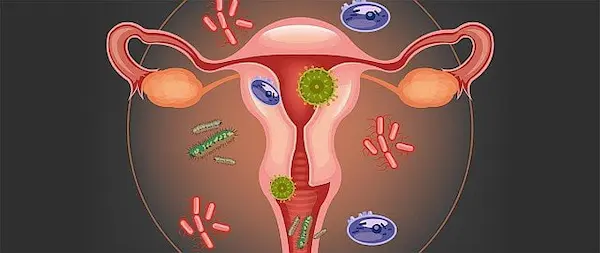
It is a condition that affects the vagina as a result of an imbalance in the natural balance of bacteria that live in it, as the vagina naturally contains many types of bacteria, but in the case of bacterial inflammation in the vagina, there is a decrease in the numbers of good bacteria called anaerobes that produce lactic acid and an increase in the numbers of other types of harmful bacteria, especially anaerobes.
Instead of the vaginal environment being rich in protective acidic bacteria, it becomes a less acidic environment and full of other types of bacteria, and this change in bacterial balance leads to the symptoms associated with inflammation.
Causes of bacterial vaginosis
The exact causes of bacterial vaginosis are still not understood, but it is believed that it primarily results from an imbalance in the natural balance of bacteria present in the vagina. Instead of the good bacteria that produce lactic acid predominant, the numbers of other types of bacteria increase, especially anaerobes.
Some risk factors that may increase the likelihood of this imbalance occurring include:
- Vaginal douching, washing the vagina with water or other solutions, can upset the natural balance of bacteria and reduce the numbers of protective acid bacteria.
- Multiple sexual partners or a new sexual partner. Although bacterial vaginosis is not a sexually transmitted disease in the traditional sense, sexual activity may change the bacterial environment in the vagina.
- Using an intrauterine device, as some studies indicate that using an IUD may increase the risk of bacterial vaginosis in some women.
- Smoking is a potential risk factor.
- There is a natural deficiency of acid bacteria and the vagina does not produce sufficient quantities.
- Hormonal changes, such as during pregnancy or menopause.
- Using some vaginal products, such as scented vaginal douches, scented soap, and scented sanitary pads, may irritate the vagina and disrupt its bacterial balance.
- Over-cleaning the area removes the natural protective bacteria.
- Use of antibiotics.
Get to know شكل قرحة عنق الرحم وعلامات الشفاء منها
أعراض التهاب المهبل البكتيري
Symptoms of bacterial vaginosis range in severity among women, and the most common symptoms include:
- Abnormal vaginal discharge. The discharge is often thin or watery and white, gray, or light green, and its quantity may be larger than usual.
- A foul, fish-like odor is a characteristic symptom of bacterial vaginosis and may be more noticeable after intercourse or during menstruation.
- Feeling a slight itching in the vaginal area.
- Feeling a slight burning sensation when urinating.
- Vaginal irritation, and a general feeling of discomfort.
Methods of diagnosing bacterial vaginosis
Diagnosis of bacterial vaginitis depends on conducting a comprehensive examination, taking into account the symptoms that the patient suffers from. The main diagnostic methods at Al Mousa Specialist Hospital include the following:
- Clinical examination and the doctor takes a medical and sexual history, including the symptoms you feel, their severity, and the timing of their appearance.
- Perform a pelvic exam to examine the vagina and vulva to detect any signs of inflammation or abnormal discharge.
- Examining vaginal discharge, the doctor will take a sample using a sterile cotton swab to examine it under a microscope in the clinic or send it to a laboratory for analysis.
- Vaginal pH test, using a special test strip to determine the pH of the vagina. In the case of bacterial vaginosis, the pH is often higher than normal, i.e. more alkaline than 4.5.
How to treat bacterial vaginosis
Treatment of bacterial vaginosis at Al Mousa Specialist Hospital aims to restore the natural balance of bacteria in the vagina and relieve disturbing symptoms. Basically, treatment depends on the antibiotics prescribed by the doctor. Common treatment options include the following:
- Oral antibiotics, such as metronidazole, are considered one of the most common and effective antibiotics for treating bacterial vaginosis. They are available in the form of tablets and are usually taken orally twice daily for 5 to 7 days. Clindamycin may also be prescribed.
- Topical antibiotics, such as metronidazole vaginal gel, the gel is inserted into the vagina once daily for 5 days, or clindamycin vaginal cream is inserted into the vagina once daily for 7 days.
- In the case of women who have reached menopause, in addition to antibiotics, the doctor may prescribe the use of vaginal suppositories containing estrogen to return the vaginal environment to normal.
Book your consultation now at مركز صحة المرأة At Al Mousa Specialist Hospital.
Ways to prevent bacterial vaginosis
Although the exact causes of bacterial vaginosis are not understood, there are some measures you can take to reduce your risk of developing it, including:
- Avoid douching, as the vagina has a self-cleaning mechanism.
- Avoid using scented soaps and scented products in the vaginal area.
- Use a condom during sexual intercourse.
- Avoid wearing tight underwear made of synthetic fibers, and wear loose-fitting cotton clothing to allow better ventilation.
- Wipe from front to back after using the toilet, to prevent the transfer of bacteria from the anal area to the vagina.
- Avoid using scented sanitary pads and tampons.
- Do not over-clean the area, to maintain good bacteria.
When should you go to the doctor in cases of bacterial vaginosis?
It is important to go to the doctor in the following cases related to bacterial vaginosis:
- The appearance of new or unusual symptoms other than the previously mentioned symptoms of bacterial vaginosis.
- Symptoms persist for more than a few days or get worse.
- If bacterial vaginosis recurs, it is important to consult a doctor to identify any potential risk factors and discuss preventative treatment options.
- In the case of pregnancy, because bacterial vaginosis during pregnancy is associated with some complications such as premature birth or low birth weight of the baby.
- المعاناة من أعراض أخرى مصاحبة، مثل ألم في الحوض، أو حمى، أو نزيف مهبلي غير طبيعي، لأن هذه الأعراض تشير إلى وجود عدوى أخرى أو حالة أكثر خطورة تتطلب تقييم الطبيب.
Frequently asked questions
كيف نفرق بين التهاب المهبل البكتيري والفطري؟
It is necessary to consult a doctor to get an accurate diagnosis, but in general, bacterial and fungal vaginosis can be distinguished by some differences in symptoms, such as:
- The discharge is often thin or watery, and white, gray, or light green in the case of bacterial vaginosis, while it is thick, white, and similar to the consistency of cottage cheese, in the case of fungal vaginosis.
- The odor is distinctive and strong, resembling fish, in bacterial vaginal infections, while in fungal infections it is mild or odorless, and some may describe it as a yeast-like odor in rare cases.
- Itching, which is usually mild or nonexistent in bacterial infections and severe and bothersome in fungal infections.
- Burning when urinating occurs in both cases, but is uncommon in the case of bacterial vaginitis.
- Irritation and redness, uncommon in bacterial infection, but common and accompanied by swelling in the vagina and vulva in case of fungal infection.
Does bacterial vaginosis go away on its own?
In some very mild cases, bacterial vaginitis may disappear on its own without treatment. However, it is not recommended to rely on this and ignore the symptoms, in order not to aggravate the condition and increase the risk of complications, especially during pregnancy.
The best medicine to treat bacterial vaginosis
In general, antibiotics are the primary treatment for bacterial vaginosis, such as metronidazole, which is available in the form of oral tablets or vaginal gel, and is very effective for treating bacterial vaginosis.
In the case of pregnant women, you should consult a doctor and not use or take any medication on your own.
In conclusion, bacterial vaginosis is a common health condition that requires a precise understanding of the causes, symptoms, and available treatment methods, and proper and early diagnosis has a crucial role in alleviating symptoms and preventing possible complications.
Al Mousa Specialist Hospital stands out as a leading medical institution that provides integrated and specialized services in women’s health, as the hospital includes an elite group of specialized doctors with experience and high competence in diagnosing and treating various women’s conditions, thanks to the latest diagnostic and therapeutic technologies available and the keenness to provide high-quality health care that meets the needs of every woman and contributes to enhancing her health and comfort.
يمكنك التواصل معنا على ارقامنا المدونة على الموقع للمزيد من التفاصيل والحجز والاستفسار.
المصادر الطبية:
Bacterial Vaginosis – ncbi
Bacterial vaginosis – who.int
