
The appearance of the bright colors of nature and the arrival of spring, as well as the change of seasons and its transition to summer and fall, are associated with some people feeling disturbing symptoms, and these are just some of the signs indicating seasonal allergies, which are a natural reaction of the immune system. In this article, we will delve into the reasons behind the emergence of this allergy, how to deal with its symptoms effectively, and the methods of diagnosis and treatment at Al Mousa Specialist Hospital.
What are seasonal allergies?
Seasonal allergies are also known as hay fever or seasonal allergic rhinitis.
It is a condition that occurs when the body's immune system reacts excessively to certain substances present in the environment during certain times of the year. These substances are called allergens, and they are usually not harmful and do not cause any reaction in most people.
Symptoms of seasonal allergies
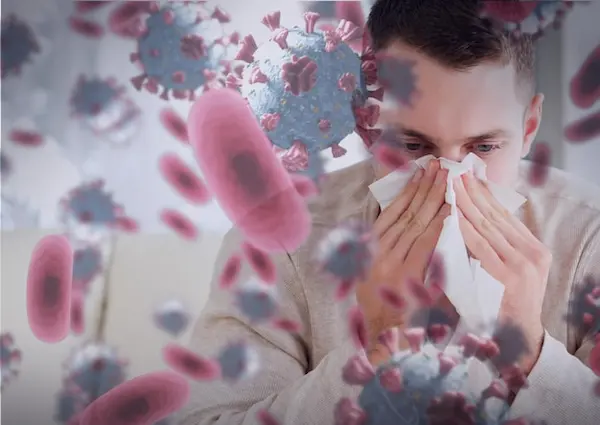
The symptoms of seasonal allergic rhinitis are very similar to the symptoms of the common cold, but they often last longer and are not accompanied by a rise in temperature. The most prominent symptoms that you may feel if you suffer from seasonal allergies include:
- Feeling an annoying itching inside the nose and runny nose, and the secretion is often clear and watery.
- Stuffy nose: difficulty breathing and feeling congested.
- Bouts of sneezing that occur consecutively.
- Redness of the eyes and a feeling of constantly rubbing the eyes.
- Watery eyes: excessive tear production with slight swelling around the eyes.
- A tingling or scratchy feeling in the throat.
- Postnasal drip: i.e. secretions from the nose to the back of the throat.
- Feeling of pressure in the ears.
- Cough: often dry.
- الصداع.
- Dark circles under the eyes.
Causes of seasonal allergies
The main cause of seasonal allergic rhinitis is an overreaction of the immune system to harmless substances present in the environment during certain periods of the year. These substances are called allergens.
When an allergic person inhales the cause, his immune system recognizes it as a foreign and harmful body, and produces antibodies called immunoglobulin E, which bind to other immune cells called mast cells and basophils.
Upon subsequent exposure to the same type of allergen, these mast cells and basophils release chemicals such as histamine, which are responsible for the appearance of allergy symptoms.
It is highlighted مسببات الحساسية Seasonality:
- Pollen in spring.
- Weeds occur in late spring and extend through the summer, and grass pollen is considered one of the most prominent allergens.
- Weeds, especially in late summer and early fall, such as ragweed.
- Fungal spores, especially during humid days and after rain.
- Air pollution, dirt and dust.
- Climate changes.
Methods for diagnosing allergiesSeasonality
Doctors at Al Mousa Specialist Hospital rely on several diagnostic methods to diagnose seasonal allergic rhinitis, including:
- Detailed medical history. The doctor will begin by listening and asking about your symptoms, when they started, how long they last, and whether they get worse at certain times of the year or in specific places, as well as asking about your personal and family medical history regarding allergies and asthma.
- Clinical examination, where the doctor will conduct a general examination of the patient, examining the nose, ears, throat, and lungs to look for signs of allergies such as nasal congestion and runny nose.
- Skin prick testing is one of the most common and quick ways to identify allergens. Small drops of extracts of common allergens are placed on the skin of the arm or back, and then the skin is gently pricked with each drop using a sterile instrument. If you suffer from an allergy to one of these substances, a red, itchy spot will appear at the puncture site within 15-20 minutes. The size of this spot is measured to determine the person’s sensitivity to the specific substance.
- Blood test and specific immunoglobulin E test, to measure the level of antibodies (IgE) specific to allergens in the blood.
Book your consultation now at قسم الأنف والأذن والحنجرة At Al Mousa Specialist Hospital
How to treat seasonal allergies
The goal of treating seasonal allergic rhinitis at Al Mousa Specialist Hospital is to alleviate symptoms and improve the patient’s quality of life during the allergy season, as there is no definitive treatment for it. Treatment options vary and include the following:
العلاج الدوائي
- Antihistamines, available as tablets, syrups, nasal sprays and eye drops, such as diphenhydramine, chlorpheniramine, loratadine, cetirizine and fexofenadine.
- Decongestants, to reduce nasal congestion by constricting the blood vessels in them, are available in the form of tablets and nasal sprays, and the sprays must be used for a short period to avoid worsening congestion.
- Nasal corticosteroid sprays are one of the most effective treatments for seasonal allergies, especially in relieving stuffy nose, runny nose, and sneezing.
- Mast cell stabilizers, to prevent the release of histamine from mast cells, are available in the form of nasal sprays and eye drops, and are most effective when used before exposure to allergens.
Immunotherapy
It is a long-term option aimed at reducing the body's sensitivity to allergens identified during Allergy testsBy gradually exposing the body to increasingly small amounts of these pathogens.
Immunotherapy can be administered by subcutaneous injection or by placing tablets or drops under the tongue. Immunotherapy usually takes several months to years to achieve a noticeable effect, but it relieves symptoms over the long term and reduces the need for medications.
العلاجات المنزلية And lifestyle change
- Avoid allergens and try to stay indoors as much as possible during days when pollen spreads. Keep the windows and doors of the house and car closed to prevent allergens from entering. Use the air conditioner and make sure its filters are cleaned regularly.
- Use air purifiers with high-efficiency filters to help remove allergens from the air inside your home.
- Wear sunglasses to protect your eyes from airborne pollen.
- Shower and change clothes immediately after spending time outside, and wash bedding regularly.
- Rinse the nose with saline solution to rinse the nasal passages and remove pollen and mucus.
- Inhaling the steam from hot water to help relieve nasal congestion.
- Drink plenty of fluids to hydrate the body and loosen mucus.
كما يمكنك قراءة دور أخصائي أمراض الأنف ومتى يجب زيارته
Ways to live with and prevent seasonal allergies
Includes ways to live effectively with Rhinitis Seasonal Allergies Adopt ongoing preventive and therapeutic strategies aimed at reducing exposure to allergens and alleviating symptoms when they appear.
Some ways and tips to help you better cope with seasonal allergies include:
- Reduce exposure to allergens in the environment by monitoring pollen seasons and following the weather to know when there is wind and dust.
- Avoid areas with dense vegetation during times of widespread pollen.
- Keep the house well clean, use air purifiers if necessary, and control the humidity inside the house, as removing humidity helps reduce the growth of fungi, especially in humid areas such as bathrooms and kitchens.
- Shower and change clothes when you return home to remove any lingering allergens.
- Wash bedding and pillows regularly with hot water, and use allergy-resistant covers to prevent dust mites from settling in them.
- Start treatment early if you know when your allergy season starts, and use your prescribed preventative medications regularly and in the prescribed doses, even on days when you feel better.
- Maintain a healthy diet rich in fruits and vegetables to support the immune system.
- Exercising regularly to improve overall health and reduce stress, which may help manage allergy symptoms.
- Drink enough water to help stay well hydrated and keep the mucous membranes in the nose and throat healthy, which may help reduce irritation.
- Avoid activities that trigger allergies. If you know that certain activities, such as mowing the lawn or working in the gardens, increase allergy symptoms, try to avoid them or wear a protective mask when doing them.
Frequently asked questions
How many days do seasonal allergies last?
The duration of seasonal allergic rhinitis varies greatly from one person to another and depends on several factors, the most important of which are:
- Type of allergen.
- Duration of exposure to the allergen.
- Severity of allergy.
- Weather conditions.
- Response to treatment.
Allergy season which month?
The allergy season generally extends from February or March until the end of summer or early fall, and it can be divided into several periods depending on the type of allergen:
- Spring (February - May): Allergy to tree pollen such as casuarina, acacia, and olive increases, and grass allergy begins to gradually appear.
- Summer (June - August): This is the peak season for grass allergies such as grass, and mold spores may increase due to hot and humid weather.
- Fall (September-November): Allergies to some grasses and weeds may persist.
Therefore, there is no single specific month that can be said to be allergy season, but rather an extended period during which the dominant allergens change.
What is the difference between seasonal allergies and perennial allergies?
The main difference between seasonal allergies and perennial allergies is the timing of symptoms and their causes. Seasonal allergy symptoms appear during certain times of the year, and usually coincide with the season of the spread of pollen from trees in the spring and grasses in the late spring and summer. Symptoms usually disappear or decrease significantly once the season of the spread of the allergen ends.
While persistent allergy symptoms appear year-round, or may be worse at certain times but do not disappear completely, they are often linked to allergens found in the indoor environment throughout the year, including dust mites, pet dander, indoor fungi, and cockroaches.
In conclusion, we can say that understanding the causes of seasonal allergies represents the first step towards effective management of its symptoms. Through accurate diagnosis and identification of allergens, it becomes possible to follow various treatment strategies, including medications available with or without a prescription, and home remedies.
Al Mousa Specialist Hospital provides you with integrated medical care, at the hands of an elite group of specialized doctors, where our team can help you identify your allergy triggers and develop a customized treatment plan to relieve symptoms and improve your quality of life during all seasons of the year.
لا تتردد في زيارتنا للحصول على الاستشارة والعلاج الأمثل، ويمكنك الاتصال بنا على ارقامنا المدونة على الموقع للمزيد من التفاصيل والحجز والاستفسار.
المصادر الطبية:
Seasonal Allergies – msdmanuals
Seasonal Allergies: Symptoms, Causes, and Treatment – healthline
