
Talking about treating glycated diabetes permanently raises great hopes among patients and caregivers, but it requires scientific and practical clarification.
The concept of treating cumulative diabetes permanently
When using the phrase “treatment of cumulative diabetes permanently,” a distinction must be made between two concepts:
- Ultimate recovery from diabetes in the absolute sense: A rare or practically unavailable condition for the majority, especially in type 1 diabetes where the condition depends on the loss of insulin-producing beta cells.
- Decline in type 2 diabetes: Sustained reduction in HbA1c levels to unsatisfactory (or near normal) levels without the continued need for glucose-lowering medications;
Is there evidence about the possibility of a decline in HbA1c levels?
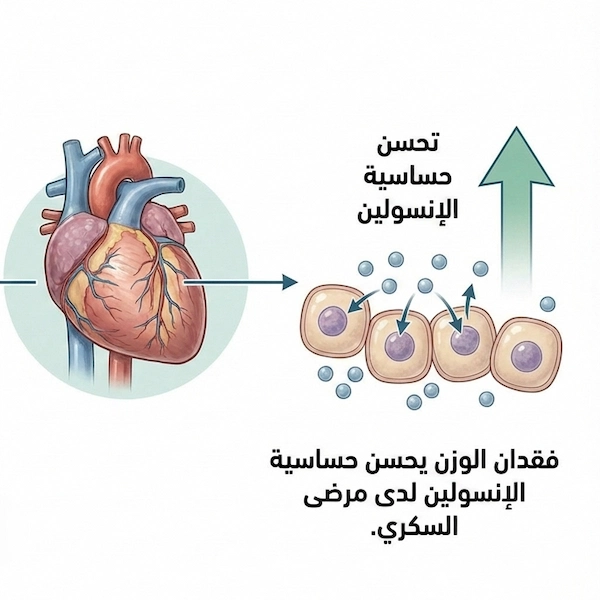
Recent clinical trials and programs have shown that early significant weight loss and maintenance are associated with a higher chance of achieving long-term remission in type 2 diabetes.
Factors that increase the probability of success in achieving a rollback
Factors that were associated with an increased chance of achieving permanent diabetes treatment or a real decline, Include:
- Shorter duration of illness from diagnosis (early years offer greater chance of response).
- Noticeable and sustainable weight loss (usually 10-15 kg or more for many with better results).
- Maintain muscle mass and a regular physical activity pattern.
- The presence of functional remnants of beta cells in the pancreas.
These data show that the probability of relapse varies depending on the individual case and does not generalize to all patients.
Read also: Common diabetes symptoms, early signs, and ways to detect it quickly
Medical and pharmaceutical options that affect cumulative blood sugar
Modern treatment methods are not limited to reducing glucose only, but also include choosing medications that also contribute to weight loss and improving metabolism.
The surgical option and its role in changing the course of the disease
Bariatric surgery (eg, gastric bypass or gastric sleeve) may lead to a strong and sustained improvement in metabolic control in obese patients with type 2 diabetes, and long-term follow-ups show higher remission rates compared with conventional treatment in selected groups.

Is it possible to treat cumulative diabetes permanently at home?
There is no drink or home remedy that completely treats HbA1c in all cases, but some type 2 diabetics can achieve a long-term decline in HbA1c through systematic nutritional and physical exercise programs that are often applied at home and with medical follow-up.
What can be done at home effectively?
- Diet modification under a medical planShort-term intensive weight loss programs followed by a weight maintenance plan have been shown to require remission in significant numbers of patients with type 2.
- Increasing regular physical activity (a combination of walking and resistance exercise) reduces HbA1c and improves insulin sensitivity;
- Self-monitoring and medication adherence: Measure glucose according to the doctor’s recommendation and review the results to modify the plan if necessary;
When is a home alone not enough?
If the condition is severe or the patient requires major medication changes or is a candidate for surgery, treatment requires comprehensive clinical supervision. Obesity surgery gives higher rates of decline in certain groups and is not a substitute for home efforts alone.
Read also: Analysis of cumulative blood sugar and the most prominent factors affecting it
What is the food that reduces blood sugar?
There is no single “magic” food;
- Mediterranean diet (vegetables, olive oil, fish, nuts, and fibre): Following this diet reduces average fasting blood sugar and HbA1c compared to other diets and contributes to improving metabolism in people with diabetes.
- Legumes (beans, lentils, chickpeas): Rich in fiber and protein and low in the glycemic index, it also contributes to stabilizing blood sugar and reducing elevations after meals, which is reflected in HbA1c in the long term.
- Whole grains (oats, brown rice, whole grain bread): Replacing whole refined grains lowers glucose levels and shows a positive effect on HbA1c at follow-up.
- Nuts and seeds (almonds, walnuts, chia seeds): Source of healthy fats, fiber and protein;
- Non-starchy vegetables (lettuce, spinach, broccoli): Low in calories and rich in fiber and nutrients, it contributes to filling the meal without raising blood sugar.
- Low index fruits (berries, small apples, kiwi): Rich in antioxidants and fibre;
- Fatty fish (salmon, sardines): Improves lipid profile and supports metabolic health when incorporated into a balanced diet.
- Healthy oils (virgin olive oil): Alternative to Saturated fats, an essential part of the Mediterranean style and supports metabolic control.
- Cinnamon as a moderate supplement: Some trials have shown a small reduction in HbA1c in type 2 patients at appropriate doses, but it is not a substitute for medical treatment.
- Vinegar (such as apple cider vinegar) in moderate doses before a meal: There are studies that indicate positive effects on post-meal glycemic response and may be reflected in indicators such as HbA1c with regular and monitored use.
- Unsweetened tea (green/black tea): As part of a healthy dietary pattern, it may help improve some metabolic markers, but its effect on HbA1c is not strong on its own.
Realistic risks and limitations
- Not all patients are able to achieve significant regression: genetic factors, duration of the disease, and hormonal structure vary.
- Side effects of modern medications or surgical complications require careful evaluation to balance benefits and risks.
- Returning to old habits or loss of follow-up often results in HbA1c levels returning.
- Some extreme diet programs require careful medication and medical monitoring to avoid nutrient deficiencies or hypoglycemic events.
The ideal approach to treat accumulated diabetes permanently
True regression usually requires a multidisciplinary approach: endocrinologist, dietitian, physical activity trainer, pharmacist, and behavioral/psychologist to support adherence.
Practical tips for treating accumulated diabetes permanently
- See your doctor to evaluate whether it is realistic to seek realistic regression based on your medical history and condition.
- Work with a dietitian to obtain a medical diet program accompanied by periodic monitoring.
- Make physical activity a daily part of your routine and maintain adequate muscle mass.
- Discuss the possibility of using medications to help you lose weight if they are appropriate for your condition and under medical supervision.
- If you are a severely obese patient who has not responded to conservative methods, discuss with your medical team the feasibility of surgical evaluation.
Everything you need to know: About the normal cumulative blood sugar level
How is a rollback different from just a temporary improvement?
The difference lies in sustainability;

How do Almoosa Hospitals provide an exceptional care experience?
- Hospitals combine high-quality medical care with an upscale hospitality experience to provide care that puts the patient at the center.
- The hotel-inspired hospitality experience elevates the feeling of comfort and reassurance;
- The digital booking and treatment journey (booking via app, uploading electronic medical files, receiving remote consultations and follow-up notifications) reduces administrative friction and speeds up access to the service, with a clear impact on patient satisfaction and follow-up effectiveness.
- The synergy of multidisciplinary teams (physicians, nutrition, physiotherapy, pharmacy) ensures standardized and quick-decision treatment plans and reduces clinical errors;
- Finally, measuring performance and having an effective feedback system allows for rapid improvements and the transformation of feedback into practical policies, which enhances reputation and generates the trust of patients and their families.
Frequently asked questions about treating cumulative diabetes permanently
What drink lowers blood sugar?
There is no magic drink that lowers HbA1c on its own;
How do I make the cumulative blood sugar go down?
Reducing HbA1c requires an integrated approach: sustained weight loss (if necessary), reduction of refined carbohydrates, increased physical activity, adherence to medications and periodic monitoring, and follow-up by a multidisciplinary medical team.
Does fenugreek reduce cumulative blood sugar?
According to studies and reviews, adding fenugreek (extract/seeds) has shown a reduction in fasting glucose and a moderate effect on HbA1c in type 2 patients, but the benefit is usually limited and requires consulting a doctor before using it as a supplement.
Does a patient with cumulative diabetes recover?
Complete recovery is not a reality for all cases;
Conclusion
While permanent remission of all cases of diabetes remains an uncertain aspiration, long-term reversal is possible and scientifically proven in a group of patients with type 2 diabetes when conditions such as significant weight loss and continued multidisciplinary medical follow-up are present. Al Mousa Hospitals Group Capable of providing integrated services to support patients in this path, provided that detailed assessment and regular follow-up are provided.
