
Body cancer is one of the most widespread diseases and affects human health, as it results from abnormal growth of cells within the body. Its types, causes, and symptoms vary from one case to another, which makes awareness of it extremely important. Early detection helps raise recovery rates and significantly reduce complications.
What is body cancer?
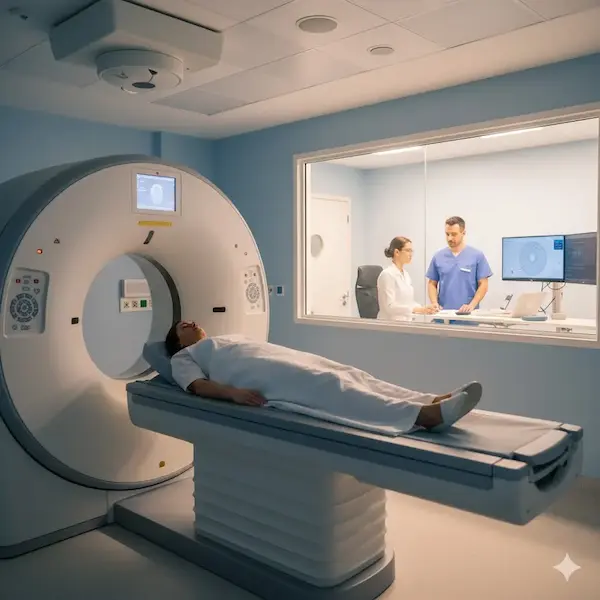
Body cancer is a disease that occurs as a result of abnormal growth of cells in the body such that they multiply uncontrollably. These cells may form tumors that can be benign or malignant, and affect the surrounding tissues and organs. Cancer sometimes spreads to other parts of the body through the blood or lymphatic system, which is known as metastasis, and its types vary according to the affected organ and the nature of the affected cells.
Also learn about: Treatment of stage IV cancer
Types of cancer
Early detection of cancer symptoms is an essential step to increase the chances of successful treatment and reduce complications, as signs can appear differently depending on the type of cancer and its stage of development. Which are as follows:
- The presence of abnormal masses or tumors in any part of the body, which are often solid and require medical evaluation.
- Skin or tissue changes such as redness, ulcers, or skin discoloration in a specific area.
- Persistent, unexplained pain in a specific part of the body that is different from normal pain.
- Sudden and unexplained weight loss that occurs without diet or intense exercise.
- Constant fatigue and general weakness that does not go away with usual rest or adequate sleep.
- Changes in organ function, such as difficulty swallowing, persistent cough, or chronic digestive problems.
- Bleeding or abnormal secretions anywhere in the body that require immediate medical examination.
- Unexplained swelling or enlargement of lymph nodes sometimes indicates spread of the disease.
- Changes in appetite or eating habits, such as a noticeable loss of desire to eat.
- Delayed healing of injuries and wounds or recurrence of infection in certain areas of the body.
Types of cancer
There are many types of organ cancer depending on the place of origin of the cancer cells and the nature of the affected tissues. Identifying the type helps determine the appropriate treatment plan and prevent it. The following are the most prominent types of cancer:
breast cancer
It originates in the breast tissue, whether in the ducts or lobes, and is one of the most common types of cancer in women. It can also be detected early through self-examination and mammograms, and is characterized by the presence of several types that vary in degree of aggressiveness.
Lung cancer
This type begins in the lung cells and is considered one of the most dangerous cancers due to its rapid spread and is often associated with smoking and exposure to pollutants. Its symptoms include persistent coughing, shortness of breath, and chest pain, and it requires early diagnosis.
Colorectal cancer
It originates in the large intestine or rectum and directly affects the digestion process. It is characterized by the appearance of symptoms such as a change in bowel habits and minor bleeding. It may not be apparent in the early stages, so it is recommended to conduct periodic examinations for early detection.
Prostate cancer
This type affects the prostate gland in men and is often slow-growing and can be detected through a blood test or clinical examination. It may also show problems with urination or pelvic pain. Early diagnosis is the key to effective treatment.
melanoma
It arises in skin cells as a result of excessive exposure to ultraviolet rays or genetic factors, where it appears in the form of unusual spots, or changes in moles. Periodic examination and observing any changes on the skin is one of the most important methods of prevention and early detection.
Stomach cancer
It begins in the stomach lining and may develop slowly and affect the digestive process with symptoms such as unexplained weight loss, loss of appetite, and abdominal pain. Early diagnosis also contributes to increasing the chances of successful treatment and improving quality of life.
Causes of cancer
Knowing the causes of cancer is important to understand the factors that increase the likelihood of infection, which helps in prevention and taking precautionary steps to reduce the risks. These reasons are as follows:
- Continuous exposure to carcinogens such as chemicals or smoke can cause genetic changes that lead to cancer.
- Genetic factors: Some genetic mutations that cause cancer can be passed from the family to future generations.
- Smoking and tobacco use increases the risk of several types of cancer, especially lung and mouth.
- Obesity and weight gain associated with hormonal imbalance affect the likelihood of developing some cancers.
- Environmental pollution and polluted air contain chemicals that may stimulate the growth of cancer cells.
- Having certain viral infections such as hepatitis B virus or HPV can increase the risk of cancer.
- An unhealthy diet, such as excessive fats and sugars, increases the risk of developing some types of cancer.
- Lack of physical activity affects body functions and increases the possibility of cancer cells forming.
- Advanced age: The probability of accumulating genetic mutations increases with age.
How to diagnose organ cancer through Almoosa Health Group
progress Almoosa Health Group Integrated diagnostic services for early detection of cancer, relying on the latest medical technologies for accurate results and rapid therapeutic intervention This is as follows:
- Conducting accurate laboratory tests, such as blood tests, to detect specific signs indicating the presence of cancer cells.
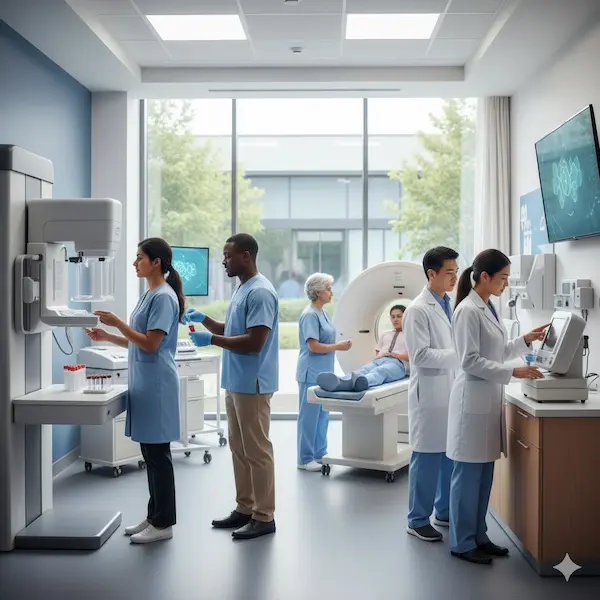
- Using advanced radiology including CT scans and MRIs to precisely determine the location and size of tumors.
- Conducting radiological examinations such as mammograms for early detection of breast cancer.
- Relying on endoscopy to examine internal organs and detect any abnormal changes.
- Taking tissue samples for histological examination to confirm the presence of cancer cells and accurately determine their type.
- Follow up on medical history and genetic factors to comprehensively assess your cancer risk.
- Providing specialized consultations with doctors to discuss test results and determine appropriate treatment.
- Using the latest early detection techniques that allow intervention before the disease develops and spreads.
- Providing continuous follow-up to patients to ensure monitoring of any new changes and monitoring the response to treatment.
- Providing psychological and counseling support to patients and their families during the diagnosis stage to ensure the patient’s comfort and a complete understanding of his condition.
Discover with us also: Oncology analysis laboratories: The latest technologies used and their role in early diagnosis of cancer

What are the signs of deterioration in a cancer patient?
Knowing the signs of deterioration of a cancer patient is essential to monitor the health condition and take the necessary measures quickly to provide appropriate care and improve the patient’s quality of life. These signs are as follows:
- Increased fatigue and extreme exhaustion, such that the patient feels lethargic even when performing simple activities.
- Sudden and unexplained weight loss due to lack of appetite or the effect of the tumor on the digestive system.
- Increasing or severe pain may appear in different areas of the body and increase over time.
- Difficulty breathing or tightness in the chest in some types of cancer that affect the lung or heart.
- Skin changes such as paleness or bluishness due to poor blood circulation or anemia.
- Weak immunity and recurrence of infection make the patient more vulnerable to recurrent diseases.
- Digestion problems or persistent diarrhea if the digestive system is affected by disease or treatment.
- Changes in psychological state, such as depression or severe anxiety, as a result of the progression of the disease.
- Deterioration of the functions of vital organs such as the liver or kidneys when the tumor spreads or the effect of treatment occurs.
- Seizures or sometimes loss of consciousness in some critical cases as a result of complications or poor general condition.
Why does a cancer patient relapse?
Cancer relapse occurs when the disease returns after apparent recovery. This is due to several interrelated reasons, the most important of which is that some cancer cells remain in the body without being fully treated, which allows them to remain active later. Some cancer cells can also remain in a dormant state for a long period before they begin to multiply again, and sometimes these cells become more resistant to treatment and more able to spread within the body. Genetic factors also play a role in increasing the risk of relapse in some patients compared to others.
FAQs
What are the most prominent symptoms of cancer?
Symptoms vary depending on the type of cancer but often include lumps or... swelling Or unexplained weight loss, extreme fatigue, or changes in skin or organ function.
Can cancer be prevented?
Yes, risks can be reduced through a healthy lifestyle, balanced nutrition, avoiding smoking and alcohol, and periodic examinations to detect any changes early.
How does early diagnosis help treat cancer?
Early detection increases the chances of successful treatment and reduces complications, as periodic examinations enable doctors to intervene quickly before the condition worsens.
Read more about: Symptoms of leukemia: serious signs and indicators that should not be ignored
In conclusion, knowing the causes and symptoms of body cancer is a crucial step to protecting health and life, as early examination and regular follow-up increase the chances of recovery and reduce possible complications, so do not hesitate to pay attention to any abnormal change in the body andConnect with Almoosa Health Group For accurate consultations and advanced examinations.
