
In light of the increasing spread of diabetes in the world, it has become necessary to educate people about the analysis of insulin resistance, which helps detect the disease in its early stages. This analysis does not only measure the level of sugar in the body, but goes deeper than that by monitoring how the body deals with insulin, and this is what we know in detail in this article, so continue reading with us until the end.
What is an insulin resistance test?
Insulin resistance analysis is an important test that depends on determining the levels of both the hormone insulin and sugar in the blood and then comparing them to each other to determine the extent of the response of the body’s cells to the hormone insulin. It helps to evaluate the extent of balance between the secretion of the hormone insulin and its effectiveness within the body. This analysis is done in the laboratory after fasting for several hours to ensure the accuracy of the results.
The importance of performing an insulin resistance test
We cannot ignore the importance of conducting an insulin resistance test, which has helped save millions of cases around the world. Among the most important benefits of performing it are the following:
-
Evaluating the effectiveness and efficiency of insulin
The test helps evaluate the efficiency of the insulin secreted by the body and how to deal with it. Some people may have a sufficient amount of insulin secreted by their pancreas, yet suffer from high blood sugar levels due to the cells not responding adequately to insulin, and this is what the analysis detects.
-
Benefits of performing an insulin resistance test in diagnosing diabetes
One of the most important benefits of conducting an insulin resistance test is that it helps in early detection of diabetes because it shows the early stages of the disease before symptoms appear, which is known as the prediabetes stage, which contributes to early intervention and starting the correct treatment.
-
Prevent complications
The analysis helps prevent any complications later due to high blood sugar levels, such as high blood pressure, heart disease, atherosclerosis, and polycystic ovary syndrome in women. Therefore, the analysis prevents you from being exposed to a more dangerous condition later on.
-
Know the cause of obesity
Many patients notice continuous weight gain for no apparent reason, in addition to difficulty losing weight and not responding to any diet, so the analysis helps them find out the reason and begin immediate treatment.
-
Directing the treatment plan
Specialized doctors use the insulin resistance test to direct the patient to the treatment plan and the correct path. It helps in the accuracy of treatment and thus its success, which helps in increasing the chances of recovery and controlling the disease.
-
Monitor the development of the condition
Doctors usually perform the analysis on a regular basis to monitor the extent of the condition’s development and whether it responds to treatment or needs to change it. Therefore, it helps in analyzing the progress the doctor is making in the treatment journey.
Learn also: What is it? Diabetes insipidus؟
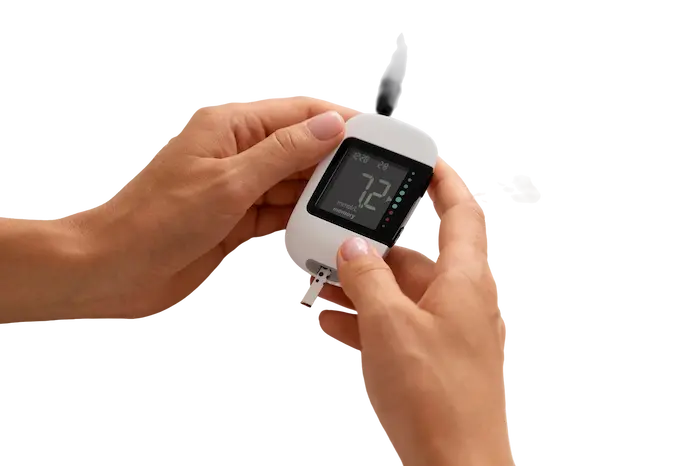
Types of insulin resistance tests
Learn with us about the 3 most important types of insulin resistance tests that the specialist doctor recommends together to confirm insulin resistance:
1. HOMA-IR analysis
The HOMA-IR test is the most important type of insulin resistance test, as it provides a digital indicator that shows the degree of the body’s resistance to insulin by creating an equation to measure the percentage of fasting insulin and glucose at the same time.
2. Fasting blood sugar analysis
A fasting blood sugar test is a test performed after 8 hours of fasting and provides an initial indicator of an abnormally high blood sugar level, but this test cannot be relied upon solely to diagnose cases of insulin resistance.
3. Analysis of cumulative sugar
HbA1c analysis is an indirect test to determine insulin resistance, as this analysis shows the average blood sugar level in the last 3 months, and its increase indicates the presence of insulin resistance.
Book your consultation now at Diabetes and Endocrinology Center At Almoosa Specialist Hospital.
What is the method for conducting an insulin resistance test?
In simple steps, we learn how to conduct an insulin resistance test and until the results appear:
- Educate the patient before the visit and ask him to fast from eating without water for 8 to 12 hours before the test.
- Draw a blood sample from a vein after sterilizing and cleaning the skin well. A sufficient amount must be drawn to perform the three insulin resistance tests.
- Begin examining the sample. In the case of the HOMA-IR analysis, the results are calculated using a medical equation. As for other tests, the sample is examined in the laboratory to determine the blood sugar level and compare the result with reference numbers.
- The result will be delivered within hours or most likely the next day through a detailed report of the three tests to be presented to the specialist doctor and determine the validity of the presence of insulin resistance.
Almoosa Hospital owns the best medical laboratory in Al-Ahsa and relies on the latest technologies in examining and detecting diabetes by conducting an insulin resistance analysis. The examination and results are supervised by a group of the most skilled specialist doctors. The laboratory is interested in providing distinguished medical service to patients by maintaining safety and security standards while collecting samples.
FAQs
Below we answer the most common questions that concern you about insulin resistance testing:
What is the normal rate of insulin resistance?
The normal rate of insulin resistance is less than 2, but if the result is from 2 to 2.9, it indicates moderate insulin resistance and requires follow-up with a specialist doctor.
How many hours of fasting before testing for insulin resistance?
It is required to fast for a full 8 to 12 hours before analyzing insulin resistance, and during this period, fasting blood sugar is also analyzed to determine the body’s response to insulin.
How high is insulin resistance?
The insulin resistance rate increases when it becomes more than 3, and in some cases the rate may reach 5, which indicates the presence of a health defect that requires immediate treatment so as not to increase the risk of diabetes and heart disease.
If you notice your weight suddenly increasing and signs resembling diabetes symptoms, contact Almoosa Specialist Hospital immediately to conduct an insulin resistance test in our accredited laboratory to obtain accurate and fast results. You can contact the hospital’s numbers or book through the website or the Almoosa application.
Sources
Insulin Resistance (HOMA-IR) Test – maxhealthcare
INSULIN Resistance Testing – expresslabidaho
