
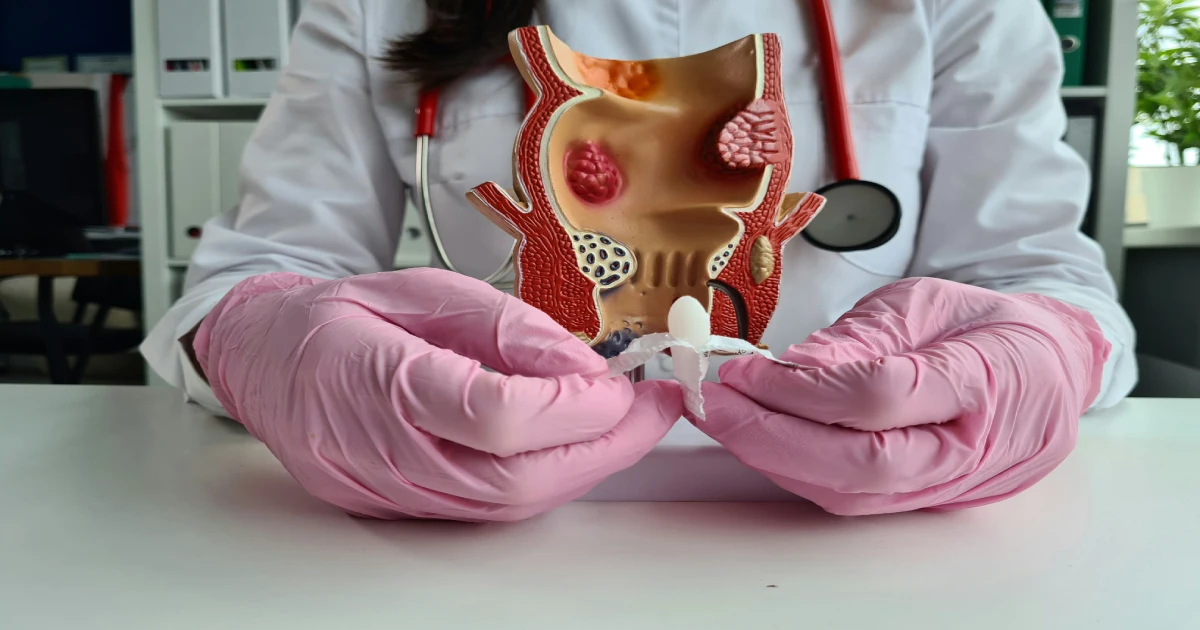
It is difficult to ignore the pain, itching, and uncomfortable feeling caused by a lump in the anus and other symptoms that accompany hemorrhoids. If you suffer from this problem, you are not alone, as statistics indicate that 75% of adults aged 45 years or older have suffered from hemorrhoids at some point in their lives. If you are experiencing this condition and are looking for an internal hemorrhoid treatment from home, here are some ways to deal with it and relieve its symptoms below.
How can internal hemorrhoids be treated at home?
If you suffer from internal hemorrhoids, some tips and home remedies may help you deal with them and reduce the severity of the symptoms, including:
- Sit in a warm water bathSitting in a warm water bath for 10-20 minutes may help reduce itching, pain, and other symptoms associated with hemorrhoids.
- Use of ice bags: Ice packs may relieve inflammation and pain associated with hemorrhoids, but they should never be used for longer than 15 to 20 minutes.
- Clean the anus well: Good hygiene is essential to treat hemorrhoids.
- Follow a diet rich in fiber: Fiber-rich foods help relieve constipation, reduce the chances of hemorrhoids occurring or prevent them from getting worse if they do occur.
- Drink plenty of water: Water helps keep stool soft, which in turn helps avoid constipation, which is a major factor in hemorrhoids.
- Wear loose cotton clothes: It is recommended to avoid wearing tight polyester clothing, and choose loose-fitting cotton underwear;
In addition to the previous tips and methods, it is believed that the following natural ingredients, when used topically, may help soothe hemorrhoids:
- Natural aloe vera extract.
- Raw coconut oil.
- Diluted tea tree oil.
There are not enough studies on the use of these ingredients to treat hemorrhoids, and you should consult a doctor before trying any recipe to avoid any possible side effects.
Symptoms of internal hemorrhoids
There are a group of symptoms that the patient notices when he suffers from internal hemorrhoids, which are as follows:
- Notice some secretions coming out of the anus.
- Internal hemorrhoids come out of the anus during defecation, which often forces the affected person to put them back inside himself.
- There is extreme difficulty when wanting to clean the anus.
- Noticing red blood coming out of the anus as a result of bleeding in the rectum, during defecation.
- Feeling severe pain and itching in the anal area, especially during or after defecation.
What is the fastest treatment for internal hemorrhoids?
Hemorrhoids may occur suddenly, which requires quick action, especially if the time is not appropriate to visit a doctor.
Medicines for treating internal hemorrhoids are divided into:
- Topical suppositories and ointments that work to heal hemorrhoids and numb the area locally.
- Oral pain relievers.
- Laxatives to avoid constipation, which may increase pain and cause the condition to worsen.
Pain relievers:
Oral NSAIDs, such as naproxen, are very effective in reducing pain and swelling caused by mild to moderate hemorrhoids.
The best ointment for treating internal hemorrhoids
There are many topical ointments and creams that help treat the symptoms of hemorrhoids, including:
- Lidocaine creams: They provide complete relief from the pain of internal hemorrhoids and are applied before defecation.
- Neohilar ointment: helps relieve pain, eliminate anal fissures, and relieve pain and swelling.
- Sediproct Cream: It helps eliminate infections as it contains a local anesthetic that reduces the feeling of pain.
Learn about: Complete list of hemorrhoid ointments
Is there a treatment that eliminates hemorrhoids permanently?
Home remedies or medications may not relieve hemorrhoids, especially when they are large, and a minimally invasive medical procedure or surgery may be necessary.
It may interest you: Symptoms of hemorrhoids during pregnancy
Surgery to treat internal hemorrhoids
Surgery is reserved for only the most serious cases, including thrombosed (filled with blood) or prolapsed (slipped out of the anal canal) hemorrhoids.
Surgical options include:
- Excision of hemorrhoids with a surgical scalpel: As the name indicates, hemorrhoids are removed with a scalpel under general anesthesia. After that, the wound is sutured or left open to heal on its own.
- Hemorrhoid stapling: This is an alternative procedure in which a circular device is used to staple the hemorrhoid and return it to its original position while cutting off the blood supply.
Diagnosis of internal hemorrhoids
Internal hemorrhoids can be diagnosed through several important methods, which are as follows:
- A clinical examination is conducted by a specialist doctor after reviewing the patient and knowing the symptoms and causes.
- Conduct an examination of the area surrounding the anus and examine the skin.
- Perform anal palpation by using lubricant and inserting a finger into the anus.
- Performing an anoscopy to examine the internal area
Anal hole for internal hemorrhoids.
- Performing a colonoscopy to identify the causes of internal hemorrhoids, or the presence of an internal problem in the rectum or colon.
FAQs
Do internal hemorrhoids go away on their own?
Yes, this is possible if the condition is simple and does not require treatment or surgical procedures, but in advanced cases it is necessary to consult a specialist doctor.
Can internal hemorrhoids be treated with herbs only?
نعم maybe treatment Internal hemorrhoids With herbs Especially since it is an effective treatment method, as coconut oil can be used, in addition to mint, as it works to relieve symptoms and improve blood circulation in the area.
How do I reduce the risk of internal hemorrhoids returning after treatment?
This can be done by avoiding constipation as much as possible, in addition to drinking large amounts of water, eating a healthy, balanced diet that contains large amounts of fiber, and making sure to exercise regularly.
In the end, internal hemorrhoids can be treated at home using the above-mentioned tips, but they should not be limited to them. Rather, they are auxiliary treatments in addition to the medications prescribed by the doctor. You should never try to remove, drain, or pop hemorrhoids yourself, as this may cause infection, excessive bleeding, and worsen the condition, but adhering to the doctor’s instructions is your way to get rid of the hemorrhoid nightmare and protect yourself from its complications.