
Nose reshaping after surgery does not stop at the operating room, but rather begins the recovery journey that requires precise steps to ensure the best results.
What are post-operative gasket plasters?
These are medical strips or adhesives that are placed on the nose after plastic surgery or nose reconstruction, with the aim of supporting its new shape during the recovery period.
The purpose of nose patches after plastic surgery
Post-operative lip patching is not only intended to be part of the post-operative care protocol, but is an essential step in ensuring that the results are consistent and that the shape that the surgeon created is maintained.
-
Stabilization of bones and cartilage
After rhinoplasty, the bones and cartilage are in a relatively fragile state and are susceptible to any pressure or movement, and here comes the importance of these plasters that are used to hold these structures in their correct position.
-
Reduce swelling and bruising
The plasters also control swelling and bruising that naturally occurs after the procedure, as they provide gentle pressure that reduces the accumulation of fluids under the skin and helps to drain them, which speeds up the patient’s recovery to their natural appearance.
-
Prevent movement or deviation of the nose
It protects the nose from shocks or sudden movements that may affect the alignment of the nasal septum or the balance of the sides of the nose.
-
Accelerate the healing process
Post-operative nasal patches remind the patient of the need to be careful and avoid touching the nose or sleeping in positions that may put pressure on it during the first weeks.
-
Post-operative nasal patches help shape the skin to fit the new structure of the nose
Especially if parts of the bone and cartilage have been removed or modified, which prevents sagging skin or any asymmetry.
Learn about: طرق جراحة رفع الحاجب Various and most important tips before and after the procedure
Types of nose patches after plastic surgery
توجد عدة أنواع من لصقات الخشم بعد العمليه التجميلية أو التصحيحية للأنف، ويختلف اختيار النوع المناسب حسب مرحلة التعافي واحتياجات المريض وتوصيات الجراح، ومن أبرز هذه الأنواع:
-
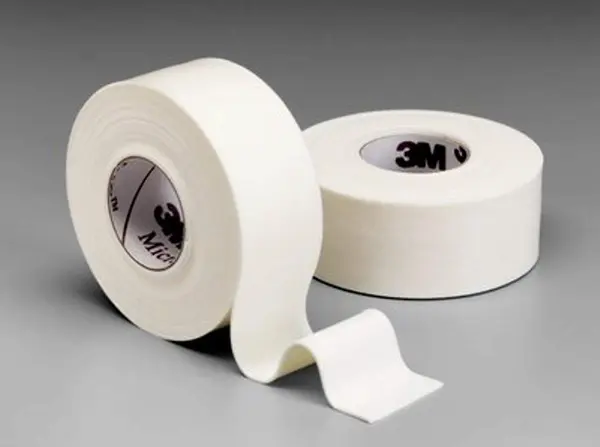
White medical plasters (Paper Tape)
- Most common after removal of the external splint.
- Made of paper or cotton material that is gentle on the skin.
- It is used after removing the splint to hold the bones and cartilage of the nose in position.
- Allows air to circulate to the skin to reduce the risk of irritation or allergies.
-
Silicone strips after surgery
- It is made of flexible silicone material, which has good adhesion without causing pain when removed.
- تعمل على تقليل التورم، والحد من تكون الندوب أو البقع الداكنة حول الأنف، خاصة إذا كانت هناك جروح أو شقوق صغيرة.
- Doctors prefer to use it in the late stages of recovery, after the initial wound has healed;
- It is also suitable for sensitive skin;
-
Compression Tapes
- تعطي ضغطًا خفيفًا على الأنف للحد من التورم، وتسريع نزول الانتفاخات بعد العملية.
- يمكن أن تكون ورقية أو مصنوعة من مواد مطاطية خفيفة.
- تُستخدم خاصة في الأيام الأولى بعد إزالة الجبيرة.
- Its role is not only to stabilize, but also to help redistribute fluids in the tissues to prevent them from accumulating in a certain place.
-
اللصقات اللاصقة القماشية (Fabric Adhesive Strips)
- It consists of fabric fibers that are stronger in fixation than paper plasters.
- مناسبة للحالات التي تحتاج دعمًا إضافيًا للأنف مثل عمليات إعادة تجميل الأنف أو عند وجود ضعف في الغضاريف.
- But it may cause irritation or redness to sensitive skin, so do not use it for long periods.
- توفر ثباتًا ممتازًا خاصة أثناء النوم أو الحركة الكثيرة.
-
Waterproof Transparent Tape
- Made of transparent plastic or silicone materials that prevent water from leaking into the operation site.
- Protects the nose from moisture while showering and washing the face.
- They are used in some cases to keep the wound or suture site dry.
- Protects the wound or incision area from bacteria, reducing the risk of infection.
Book your consultation now at Dermatology and beauty center At Almoosa Specialist Hospital.
How to apply nose patches after plastic surgery
After rhinoplasty, properly applying post-op cosmetic plasters is an essential step to support the nose and maintain its results.
Clean the skin well
- Before applying the patch, you should wash your hands well with soap and water.
- Gently clean the nose and surrounding area using a gentle cleanser or lukewarm water to remove any oils or dirt, then gently dry the skin.
Preparing the patch
- Cut the patch into strips suitable for the length and width of the nose.
- It is preferable to use medical patches intended for the nose to avoid allergies or skin irritation.
Place plasters on the bridge of the nose
- The patch starts from the root of the nose (between the eyes) and extends to its tip.
- It should be pressed gently so that it adheres well to the skin, avoiding any excessive tension that may put pressure on the nose.
Install the sides
- Small strips are placed on both sides of the nose at an oblique angle, to help reduce lateral swelling.
- You must ensure that the patch does not obstruct breathing or cause discomfort.
Ensure the stability of the paste
- After finishing, it is preferable to apply light pressure with clean fingers to ensure good adhesion to the skin.
- If it becomes wet or loses its adhesion, it must be replaced immediately.
Duration of stay
- Usually, the doctor recommends leaving the patch on for 3-7 days, and changing it when needed or according to his instructions.
Benefits of nose patches after plastic surgery
Postoperative gasket plasters are an essential and necessary step for the success of the surgical procedure and harvesting its results. Among its many benefits are:
- It gives the nose stability and a consistent shape, which helps maintain the results of the operation for as long as possible.
- It contributes to the rapid disappearance of swelling, making the appearance of the nose more visible in a shorter time.
- It keeps the nose straight and prevents any deviations that may occur during recovery.
- Provides additional protection for the nose from any shocks or friction that may affect its shape.
- It helps the skin blend with the internal tissues naturally and quickly, improving the final appearance.
- It reduces the possibility of scars or skin discoloration appearing after the operation, especially with patches designed for that.
Learn about: Plastic surgery services Your way to boost self-confidence
Tips for taking care of nose patches after plastic surgery
Following the correct instructions for caring for dental plasters after the operation ensures that you get the most out of them and preserve the results of the surgery. These are the most important instructions:
Adherence to the doctor's instructions
- Follow exactly how long your surgeon tells you to wear the patches and how often to change them.
- Do not try to remove or change the patch early unless your doctor advises you to do so.
Keep the plasters and surrounding area clean
- Before touching the patch or nose, wash your hands well with soap and water.
- Avoid getting any strong chemicals or lotion on the patch.
Change plasters carefully
- When replacing, remove slowly in a direction parallel to the skin to reduce tension.
- If it is strongly adhered, it can be moistened slightly with lukewarm water to facilitate removal.
Avoid exposing the patch directly to water
- If it's not waterproof, try keeping it dry while showering.
- If it gets wet, replace it immediately so it does not lose effectiveness or cause irritation.
Avoid pressing or touching the nose too much
- Try not to touch or put pressure on your nose while sleeping or dressing.
- Sleeping on the back with the head elevated with an additional pillow helps protect the nose.
Do not use any creams or oils under the patch except with the doctor’s permission
- Some substances may affect the adhesion of the patch or cause skin irritation.
Watch for any signs of sensitivity or irritation
- If severe redness, itching, or rash occurs, inform your doctor immediately to prescribe another type of patch.
FAQs
Are nose patches necessary after rhinoplasty?
Yes, the features of the nose after surgery are an essential part of the recovery phase in most rhinoplasty operations.
Glue patches after plastic surgery are a simple step in their appearance, but they are extremely important in their impact on the success of the operation and the appearance of the results as desired.
Sources
GRAHAM Plastic Surgery- Is Taping After Rhinoplasty Helpful? – grahamplasticsurgery
Dr. Philib Miller blog- Nose Taping After Rhinoplasty – drphilipmiller
