
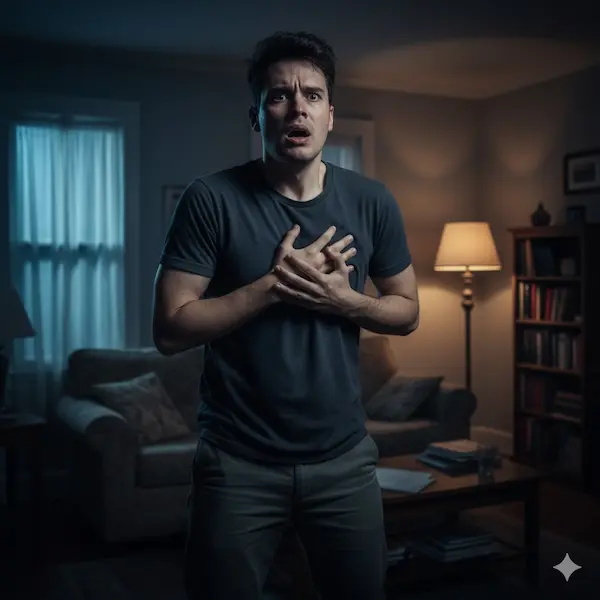
Tachycardia is a medical condition represented by an increase in the heart rate above the normal rate, exceeding 100 beats per minute at rest. This acceleration occurs as a result of a disturbance in the electrical signals that control the heartbeat, which leads to rapid palpitations that the patient may clearly feel in the chest or neck.

What does a rapid heartbeat indicate?
Tachycardia is an important indicator that you should pay attention to, as it can indicate a group of health conditions or temporary factors that affect heart activity. The following are the most important things that this acceleration of the pulse indicates:
- Stress or anxiety: Psychological stress or extreme emotion may lead to a temporary increase in the heartbeat.
- Physical exertion, excessive activity or intense exercise naturally raises the pulse rate.
- Cardiac electrical abnormalities: Disturbances in electrical signals that may cause an abnormally rapid pulse.
- Heart diseases such as weak heart muscle or coronary artery insufficiency.
- Thyroid disorders: Increased secretion of thyroid hormone raises the heart rate.
- Anemia or lack of oxygen. The heart tries to compensate for the deficiency by pumping blood more quickly.
- Taking stimulants such as caffeine, nicotine, or some medications that stimulate the heart.
- Dehydration or loss of salts leads to a decrease in blood volume, which forces the heart to accelerate to maintain blood circulation.
Read also: A comprehensive guide to how to boost heart health
What are the symptoms of tachycardia?
Symptoms of tachycardia are a clear indicator of a heart rhythm disturbance, and their severity may vary from person to person depending on the type and cause of the tachycardia. The most important symptoms that may appear when suffering from this condition are:
- Palpitations are a fast or irregular feeling of the heartbeat, which may be felt in the chest or neck.
- Dizziness or vertigo is a result of decreased blood flow to the brain due to an accelerated pulse.
- Shortness of breath, especially during rest or with slight effort due to poor pumping efficiency of the heart.
- Chest pain or pressure may indicate an increased load on the heart muscle or a lack of blood flow.
- General fatigue and exhaustion because the heart does not pump blood effectively enough to supply the body with oxygen.
- Fainting or temporary loss of consciousness in severe cases when blood flow to the brain suddenly decreases.
- Anxiety and a feeling of discomfort due to the feeling of a continuous or abnormal acceleration of the heartbeat.
However, some cases may have no obvious symptoms and are only detected through an electrocardiogram, so it is recommended to conduct a medical examination through Almoosa Hospitals When you feel frequent or rapid palpitations for no apparent reason.
Complications of tachycardia
Tachycardia is more than just a temporary irregular heartbeat, as it can lead to serious health complications if it is not properly diagnosed and treated. Possible complications include:
- Heart muscle weakness Continuing the acceleration for long periods stresses the heart and reduces its ability to pump blood effectively.
- Congestive heart failure Increased pressure on the heart may lead to fluid accumulation in the lungs or extremities.
- Blood clots Tachycardia, especially atrial fibrillation, increases the risk of clots forming that may reach the brain, causing a stroke.
- Severe low blood pressure A sudden acceleration of the pulse can cause blood pressure to drop dangerously.
- Fainting or persistent dizziness As a result of poor blood flow to the brain when the pulse rate increases.
- Problems with vital organs Decreased blood flow to the kidneys, liver, or brain may lead to long-term complications.
- Increased risk of sudden death In cases of ventricular tachycardia or some serious heart rhythm disturbances.
These complications demonstrate the importance of immediate medical consultation when a recurrent or sudden acceleration of the heartbeat is observed to determine the cause and treat it before any health risks develop.
Read also: Heart palpitations: When your heart beats differently, when do you worry?
What is the difference between tachycardia and bradycardia?
The difference between tachycardia and bradycardia appears in the heart rate and its effect on the body’s health. Below is a detailed explanation of the difference:
Tachycardia
- This means that the heart rate is higher than normal, i.e. more than 100 beats per minute at rest.
- It is often caused by a disturbance in the heart's electrical signals, the body's response to anxiety, stress, or stimuli, or certain diseases such as thyroid disorders.
- Symptoms include rapid palpitations, shortness of breath, dizziness, and sometimes chest pain.
- If it continues for a long time without treatment, it may lead to complications such as a weak heart, heart failure, or blood clots.
Bradycardia
- It means a lower than normal heart rate, i.e. less than 60 beats per minute, at rest.
- It may be caused by problems with the heart's sinus node, certain medications, or as a normal response in trained athletes.
- Symptoms include fatigue, dizziness, shortness of breath, and fainting, and in severe cases, it may affect blood flow to Brain And vital organs.
- Some patients may need to be fitted with a pacemaker if the heart rate is severe or causes bothersome symptoms.
Tachycardia reflects an abnormally rapid pulse, while bradycardia reflects an abnormally slow pulse. Each condition has its own causes, symptoms, and risks that require accurate medical diagnosis.
Treatment of tachycardia
Treating tachycardia is an important medical procedure to maintain heart health and prevent serious complications. Almoosa Hospitals provide specialized care using the latest medical methods and diagnostic tests. The treatment methods adopted by the center include:
- Accurate diagnosis: Performing an electrocardiogram (ECG) and 24-hour pulse monitoring examination to determine the type and causes of tachycardia.
- Pulse-regulating medications: Prescribing medications to control the heart rate and reduce palpitations depending on the type of tachycardia and the patient’s condition.
- Cardiac catheterization procedures: Such as cauterization to treat some types of supraventricular or ventricular tachycardia when needed.
- Medical devices: Installing pacemakers in cases that require continuous electrical support for the heart.
- Continuous follow-up: Periodic follow-up sessions to monitor the effect of treatment and adjust medications to suit the patient’s condition.
- Preventive tips: Provide guidance on avoiding stimulants, regulating stress, and maintaining a healthy lifestyle to reduce tachycardia episodes.
This comprehensive treatment guarantees patients at Almoosa Hospitals a safe and effective treatment for tachycardia with careful follow-up to avoid any complications in the long term.
Read also: What are the types of heart x-rays?
Frequently asked questions about tachycardia
Does exercise cause tachycardia?
Exercise naturally raises the heart rate during exertion, and this is a healthy thing, but continuing to raise the heart rate after stopping exercise or feeling abnormal palpitations calls for concern.
Does tachycardia affect sleep?
Yes, continuous or sudden palpitations may cause difficulty sleeping or frequent awakening due to irregular heartbeat.
Can tachycardia be treated without medications?
No, some medical conditions require medical intervention.
Does tachycardia affect daily life?
If it is simple, it may not affect it, but if it is related to a heart disorder or medical condition, it may cause general weakness, which requires treatment and follow-up.

in conclusion Tachycardia is an important health condition that requires attention and precise understanding of its symptoms, causes, and complications. Through early diagnosis and appropriate treatment, this condition can be controlled and any complications that may affect heart health prevented. To obtain integrated care and careful medical follow-up, it is recommended In communication with Al-Moussa HospitalsThe specialized medical team provides the latest diagnostic and treatment methods for tachycardia with continuous follow-up to ensure the best results and maintain heart health in the long term.
