
Kyphosis is one of the common deformities that affect the spine and directly affects the shape of the body and its motor functions. Kyphosis appears in the form of an abnormal curvature in the upper part of the back, which leads to noticeable changes in the shape of the body. Over time, it may cause multiple health and psychological problems, whether resulting from congenital or acquired causes. Identifying it early and paying attention to its treatment are essential to avoid the development of the condition and maintain health. Al Moosa Health Hospital cares about these cases and they are treated based on modern treatment programs and
What is convexity
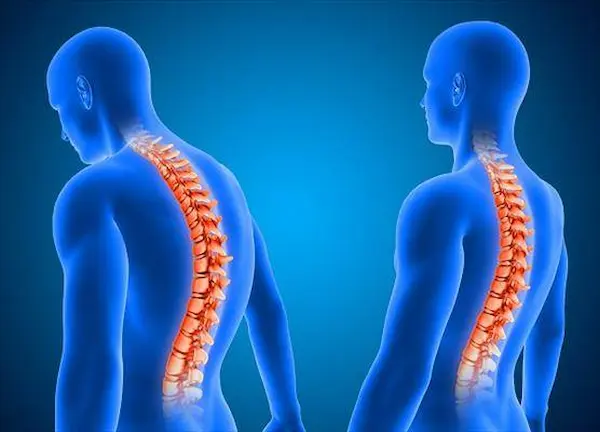
Kyphosis is an injury to the spine resulting from exposure to a strong shock that leads to an abnormal curvature in the upper part of the back. This curvature may cause a change in the shape of the body, showing a protrusion in the shoulders or a clear tilt of the head forward. The affected person may feel pain or stiffness in the back area, and in some severe cases, breathing or digestion functions may be affected due to this curvature.
The reason behind this type of injury is often a fracture in one of the spinal vertebrae or damage to the ligaments that support these vertebrae, which leads to the spine losing its natural alignment. Treatment depends on the degree of injury. In simple cases, physical therapy and therapeutic exercises are sufficient, but in more complex cases, the patient may need surgical intervention to realign the spine and improve his posture.
Causes of convexity
The causes of kyphosis vary from one case to another, but in general they are related to several factors that affect the shape of the spine and lead to its abnormal curvature. The most important of these reasons are the following:
- Direct injuries such as fractures or strong shocks that affect the back vertebrae and lead to an imbalance in the alignment of the spine.
- هشاشة العظام It is a condition that leads to weak bone structure, which makes the vertebrae more susceptible to collapse and compression, thus causing kyphosis.
- Some genetic diseases or birth defects that appear since childhood and affect the development of the shape of the spine.
- Some types of chronic arthritis that affect the vertebrae, such as ankylosing spondylitis.
- Permanent poor posture for long periods, such as sitting or standing in the wrong way, especially during periods of growth in adolescents.
- As we age, muscles and bones naturally weaken, which increases the possibility of developing kyphosis, especially in the elderly.
- Some tumors or neurological diseases that affect the nerves or muscles of the back and may cause changes in the curvature of the spine.
Symptoms of kyphosis
Symptoms of kyphosis vary from one person to another depending on the severity of the curvature and the cause of its occurrence, but there are a group of common signs that the affected person may notice that indicate the presence of this type of deformity in the spine, and the most important of these symptoms are the following:
- A clear curvature appears in the upper part of the back, often in the form of a noticeable protrusion or hump, especially when standing or sitting, and its clarity increases as the disease progresses.
- Feeling permanent pain or fatigue in the back area that increases over time, especially after sitting or standing for long periods, as the constant pressure on the vertebrae and surrounding muscles causes constant stress.
- Stiffness in the back muscles. This may be accompanied by annoying muscle contractions or spasms, especially around the curvature areas of the spine.
- A change in body shape, as some patients notice that the shoulders protrude forward or the head tilts significantly forward, which leads to a disturbance in the normal body shape.
- A gradual decrease in height as a result of compression of the vertebrae and the shrinking of the spaces between them, which leads to a noticeable shortening of stature over time.
- Difficulty in moving or performing daily activities as a result of the effect of bending on the body’s balance and straightening, which makes the patient less able to move, bend, or stand normally.
- In advanced cases, kyphosis may cause pressure on the lungs, leading to shortness of breath or poor lung efficiency. It may also put pressure on the stomach and surrounding organs, causing digestive problems such as a feeling of fullness or indigestion.
- Some patients may have no pain at all and the kyphosis is discovered incidentally during a clinical examination or during a spinal X-ray for any other reason.
Book your consultation now at Orthopedic center At Al Mousa Specialist Hospital
Risk factors for kyphosis
Risk factors for kyphosis are a group of influences that may increase the possibility of an abnormal curvature of the spine or lead to a worsening of the condition in people exposed to it. The most important of these factors are the following:
- Aging: Natural aging leads to a weakening of the bone and muscle structure, making the spine more vulnerable to deformities, especially with the spread of osteoporosis in the advanced stages of aging, which in turn leads to gradual compression and curvature of the vertebrae.
- Weak muscle mass, especially in the back and abdomen, as these muscles play an essential role in supporting the spine and maintaining its straightness. When they are weak, the body becomes unable to resist bending, which leads to the development of kyphosis.
- Osteoporosis, where the bones become brittle and easy to break and compress, and over time, the vertebrae may be severely affected, causing a gradual curvature in the upper back.
- Having a family history of spinal diseases or kyphosis in particular, which indicates the presence of genetic factors or structural predisposition in some individuals that make them more susceptible to this condition.
- Malnutrition, especially chronic deficiency of calcium or vitamin D, which are necessary for bone growth and strength. The absence of these important elements may lead to weak bone structure and increase the possibility of spinal curvatures.
- Relying on incorrect physical positions for long periods, such as sitting or standing incorrectly, especially in childhood and adolescence, when the body is still growing, which leads to a gradual deformation of the alignment of the spine.
- Suffering from some chronic diseases such as arthritis or neurological diseases that affect muscle strength or body balance and thus increase the possibility of kyphosis occurring as a result of the loss of natural support for the vertebrae.
- Lack of movement and physical laziness, as lack of exercise negatively affects muscle strength and the efficiency of the motor system, which leads to a gradual weakening of the spinal support and increases the risk of bending.
- Carrying heavy weights incorrectly and for repeated periods, as this behavior puts direct pressure on the back vertebrae, especially in the chest area, which may lead to a change in the structure of the spine and the development of kyphosis over time.
Convexity complications
Complications of kyphosis vary according to the severity of the curvature and the cause of its appearance, but they may include many physical and psychological effects that greatly affect the life of the affected person. The most important of these complications are the following:
- Feeling chronic back pain as a result of constant pressure on the vertebrae and surrounding muscles, which causes constant fatigue and difficulty in resting.
- Breathing disorders, especially in severe cases, as the curvature of the spine may put pressure on the lungs and limit their natural movement, leading to shortness of breath or poor breathing efficiency.
- Digestive system problems, such as a feeling of rapid fullness, acid reflux, or difficulty swallowing, due to the pressure of the spine on the stomach or esophagus.
- Poor ability to move or carry out daily activities due to spinal stiffness or weak back muscles, which affects lifestyle and general movement.
- A change in body shape, such as a clear protrusion in the back or a bending of the shoulders forward, which may lead to psychological problems, especially among young people, such as a loss of self-confidence or a feeling of embarrassment.
- Possible pressure on the nerves in advanced cases, which may lead to a feeling of tingling or numbness in the extremities or even general weakness or loss of balance.
- Increased risk of vertebral fractures, especially in the elderly, due to osteoporosis and worsening kyphosis over time.
How to prevent hunchback
Preventing kyphosis requires awareness of methods for maintaining spinal health from the early stages of life through adolescence, all the way to adulthood and advanced age. Daily attention to movement and nutritional habits is an essential element in avoiding the appearance of this problem or limiting its development. Below is a detailed explanation of the most important methods of prevention:
- Adhere to a correct physical posture in various daily activities. The back should be kept straight while sitting, standing, and sleeping. Constant bending forward should be avoided, especially while using mobile phones or working on the computer. It is preferable for the head to be straight and balanced with the spine, and for the shoulders to be relaxed and not leaning forward.
- Exercising regularly, especially exercises that strengthen the back and abdominal muscles, because these muscles represent the main support for the spine and contribute to keeping it straight. Beneficial exercises include stretching exercises, muscle strengthening exercises, brisk walking, and swimming, which are considered safe and beneficial sports for the back.
- Avoid sitting for long periods without moving, as it is recommended to get up from the sitting place approximately every half hour and do some simple movements to relieve pressure on the vertebrae and stimulate blood circulation in the back area.
- Follow a balanced diet that contains sufficient amounts of calcium and vitamin D, which are necessary to strengthen bones. Rich sources of calcium include milk, its derivatives, and leafy vegetables, while exposure to sunlight at appropriate times is one of the most important sources of vitamin D.
- Avoid carrying heavy weights incorrectly, as the knees should be bent while lifting things from the ground while keeping the back straight and avoiding lifting loads using the back directly. It is also recommended not to carry heavy things on one side of the body to avoid imbalance.
- Regular medical follow-up, especially for children and adolescents, as early detection of any abnormal tilt in the spine helps in early treatment and avoiding permanent kyphosis. It is also preferable to present the child to a specialist doctor in the event of noticing any change in the straightness of the back or an abnormal change in length.
- Preventing osteoporosis, which is one of the main causes of the development of kyphosis, especially in the elderly, can be done through regular exercise, eating a diet rich in bone-supporting elements, and performing the necessary tests to evaluate bone density when needed.
- Use comfortable tools and furniture while studying or working, such as chairs that support the lower back and tables designed at an appropriate height to avoid bending the body forward for long periods. It is also preferable to adjust the screen so that it is at eye level without the need to lower the head.
Frequently asked questions
How do you know that you have kyphosis?
The presence of kyphosis can be detected by noticing a clear curvature in the upper part of the back, the shoulders protruding forward, or an abnormal tilt of the head, along with feeling pain or fatigue in the back, and difficulty standing upright. It may also be discovered by chance during a medical examination or during diagnostic x-rays.
What is the difference between scoliosis and kyphosis?
Scoliosis is a lateral curvature of the spine that appears in the shape of the letter S or C and affects the horizontal balance of the body. Kyphosis is a forward curvature in the upper part of the back and appears as a curve or hump. The main difference is that scoliosis is lateral, while kyphosis is anterior and vertical in direction.
How do I know that my child is a hunchback?
A child's hunching can be observed through a clear curvature in the upper back when standing or sitting, a protrusion in the shoulders or a tilt of the head forward compared to the body, low height compared to his peers, difficulty standing straight or a complaint of constant back pain, and a medical examination is recommended to confirm.
In conclusion, hunchback is a health problem that should not be underestimated because of its physical and psychological effects that extend over time. Despite its many causes, it is possible to prevent it by adopting healthy habits and constantly monitoring the body’s position. Early detection and medical follow-up at Al-Mousa Health Hospital, the best hospital in the Kingdom, contribute greatly to avoiding complications and improving the condition effectively.
Sources
Kyphosis – clevelandclinic
