
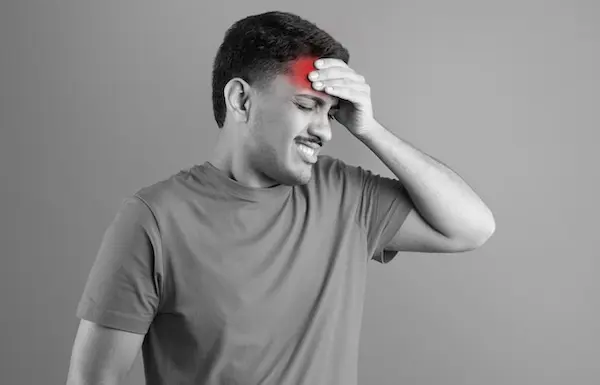
Many people suffer from pain in the front of the head accompanied by pain around the eyes. It is a common complaint that may seem simple, but sometimes it indicates the presence of a problem that needs real attention. This type of pain may appear due to several factors such as stress, eye strain, sinus problems, or even nerve or vision diseases. Therefore, it is important to understand the causes of head pain in the front with the eye to determine the appropriate treatment and avoid worsening the condition.
أسباب وجع الرأس من الأمام مع العين
The causes of headache in the front and eye are among the common problems that cause great inconvenience and affect daily activity. The causes of headache in the front and eye are numerous, and it is important to know each cause in detail to understand the condition better and deal with it correctly. The causes include the following:
- Eye strain resulting from prolonged use of electronic devices or continuous reading without breaks, which puts pressure on the eye muscles and causes pain in the front of the head and around the eyes.
- Stress and anxiety that affect the muscles of the head and face, leading to muscle tension and pain in the front of the head and around the eyes.
- Migraine is a type of headache characterized by severe pain on one side of the head, accompanied by sensitivity to light and sound, and sometimes nausea, in addition to pain around the eyes.
- Dry or inflamed eyes due to lack of humidity or exposure to a dry environment, which causes eye fatigue and pain around the eye and the front of the head.
- Sinusitis, especially when there is congestion or inflammation in the sinuses around the nose and eyes, which leads to a feeling of pressure and pain in the front of the head and around the eyes, along with heaviness when moving the head.
- Inflammation of the trigeminal nerve, which is a nerve covering the areas of the face and forehead around the eyes. When inflamed or pressured, severe pain occurs in the front of the head and around the eyes.
- Vision problems such as untreated nearsightedness or farsightedness, which lead to eye muscle fatigue and headaches and pain in the front of the head and around the eyes.
- Dental problems, especially the upper front teeth, which when inflamed or decayed can cause pain that spreads to the front of the head and around the eyes.
- High blood pressure or blood vessel disorders in the brain, in rare cases, may cause headaches and pain in the front of the head and around the eyes and require careful medical diagnosis.
- General fatigue and lack of sleep lead to fatigue in the body, head muscles, and nerves, which appears in the form of headaches and pain in the eyes and front of the head.
Read also: Most important Sinus headache locations With 10 tips to get rid of pain.
What is the treatment for frontal headache with medical eye?
Treating headache in the front of the eye depends mainly on knowing the cause that leads to this pain. After diagnosis, several medical methods can be followed that help relieve and control the pain. These methods include the following:
- Reduce the duration of use of electronic devices, take regular breaks, and use lubricating eye drops to maintain moisture. Suitable medical glasses can be used to correct vision if there is nearsightedness or farsightedness.
- Treating stress and anxiety is through relaxation techniques such as deep breathing exercises and yoga, and in some cases the doctor may prescribe anti-anxiety medications or antidepressants depending on the case.
- Taking analgesic medications to treat migraines, such as paracetamol or ibuprofen. In cases of chronic migraines, the patient may need medications designated for migraines with a prescription from a specialist doctor.
- Dry eyes are treated with artificial eye drops, avoiding exposure to dry air, and using indoor humidifiers.
- Sinusitis requires treating sinusitis with antibiotics if the cause is a bacterial infection, in addition to anti-inflammatory medications and analgesics to reduce pain. Soothing nasal sprays or water vapor can be used to relieve congestion.
- In the case of inflammation of the trigeminal nerve, the patient needs anti-inflammatory medications and strong analgesics, and in some cases it may require injections or surgical intervention depending on the severity of the condition.
- Dental problems must be treated immediately by a dentist, whether by cleaning, treating tooth decay, or removing tooth infection, because they directly affect the pain in the head and eyes.
- High blood pressure requires regular blood pressure monitoring, taking medications prescribed by a doctor, following a healthy diet and exercising regularly.
- In cases of fatigue and lack of sleep, it is recommended to get adequate and regular sleep while improving lifestyle, reducing psychological stress, and using simple painkillers when needed.
Book your consultation now at قسم الأنف والأذن والحنجرة At Al Mousa Specialist Hospital.
What is the home treatment for frontal headache?
علاج أسباب وجع الرأس من الأمام مع العين في المنزل قد يكون فعالًا في حالة معرفة السبب الحقيقي واتباع عدة خطوات بسيطة تساعد في تخفيف الألم بشكل طبيعي، ومن أهم هذه الطرق ما يلي:
- Adequate rest and try to sleep early, as fatigue and lack of sleep may increase the severity of headaches and pain in the eye and head area.
- Reduce the use of electronic devices and stay away from screens for long periods, while taking regular breaks for rest, especially for the eyes.
- Apply cold water compresses on the forehead and around the eyes as they help reduce inflammation and soothe pain.
- Lightly massaging the forehead and temples in circular motions using the fingertips helps improve blood flow and reduce muscle tension.
- Drink enough water because dehydration increases headaches, and the body must always be hydrated.
- Drink warm drinks such as herbal tea such as mint or chamomile as they are soothing and help relax.
- Avoid foods and drinks that contain caffeine or sugar in large quantities because they increase headaches in some people.
- Practice deep breathing exercises or meditate for short periods to reduce stress and anxiety, which is likely to be one of the causes of frontal headache as well as eyes.
- Improve lighting in the place to avoid eye strain and avoid reading or working in poorly lit places.
- Try to regulate your sitting position, whether during work or rest, because incorrect sitting can cause muscle tension and headache.
- When you feel dry eyes, you can use moisturizing drops available in pharmacies without a prescription to help the eyes relax.
- Take mild analgesics such as paracetamol or ibuprofen when needed, in appropriate doses, and after consulting a doctor if the pain is recurring.
Following these steps at home will help relieve head pain from the front along with the eye, but if the pain persists or increases in severity, you must consult a doctor to confirm the cause and obtain appropriate treatment.
Learn about: التهاب الجيوب الأنفية الأعراض والتشخيص
Diagnosis of head pain from the front with the eye
Diagnosing head pain from the front with the eye depends on collecting accurate information about the symptoms, reviewing the patient’s medical history, and then conducting physical or imaging examinations as needed in order to determine the actual cause behind the pain. Diagnosis includes the following steps:
- Taking a complete medical history, the doctor asks about the nature of the pain: is it acute or chronic? Does it appear on one side or both sides? Is it accompanied by nausea, dizziness, or sensitivity to light and sound? He also asks about the factors that increase the severity of the pain or reduce it, and whether there are similar conditions in the family such as migraines, sinus diseases, or vision problems.
- A careful clinical examination: The doctor examines the head, eyes, forehead, and sinuses and makes sure there are any signs of muscle tension or pressure in the forehead or eye area. He also examines the eye to detect signs of dryness, stress, or inflammation.
- Refer the patient to an ophthalmologist if necessary. If the doctor suspects vision problems, the vision will be fully examined, intraocular pressure will be measured, and the fundus and optic nerve will be examined to rule out any infections or excessive pressure inside the eye.
- Conduct an imaging of the sinuses if symptoms indicating sinusitis appear, such as nasal obstruction, pain when bending, or discharge from the nose. The doctor may request a CT scan or X-ray of the sinuses to confirm the presence of congestion or inflammation.
- Performing neurological examinations or brain imaging when needed. If there is suspicion of a migraine, nerve inflammation, or intracranial pressure, the doctor may order an EEG or MRI of the brain to rule out neurological problems, tumors, or blood vessel disorders.
- Measuring blood pressure, because high blood pressure is a possible cause of frontal headaches along with a feeling of heaviness or pain behind the eyes. The pressure is measured, and the measurement may be repeated throughout the day.
- Refer the patient to a dentist if necessary when there is suspicion of dental problems that may be responsible for the pain, especially the upper front teeth. A comprehensive dental examination and panoramic x-rays are performed to ensure that there is no decay or inflammation in the roots of the teeth.
- Conducting basic blood tests. The doctor may request a blood test to detect the presence of infections, anemia, thyroid problems, or a deficiency in some vitamins that may cause headaches.
All of these steps help the doctor determine the causes of head pain from the front to the eye, and thus develop an appropriate treatment plan, whether it is medication, supportive treatment, or intervention by another specialist.
الاسئلة الشائعة:
How do I get rid of headache and eye pain?
To get rid of headache and eye pain, it is recommended to rest and sleep adequately, avoid stress and visual fatigue, stay away from screens for long periods, use cold compresses on the forehead and eyes, and drink a sufficient amount of water. Light analgesics such as paracetamol can be taken when needed. If the pain persists, you must see a doctor to determine the cause and obtain appropriate treatment according to the condition, whether it is related to vision, sinuses, or nerves.
When is a headache an indicator of a serious illness?
A headache is an indicator of a serious illness if it is sudden and very severe, or is accompanied by blurred vision, loss of consciousness, weakness in one of the limbs, or difficulty speaking, or if it continues for long periods without improvement, or appears after a head injury, or is accompanied by a severe increase in pressure or temperature. In these cases, a doctor must be consulted immediately to accurately diagnose the condition.
In the end, the causes of headache in the front of the eye are not a passing symptom that can be ignored. Rather, it may be an indicator of a health problem that requires careful attention and diagnosis. Knowing the real reason behind this pain is the first step towards correct and effective treatment. Therefore, it is necessary to follow the symptoms, pay attention to any changes, and consult a doctor when the pain persists to ensure maintaining health and avoiding any possible complications.
Sources
Frontal Lobe Headache: Headache Behind the Eyes – healthline
