
Triglycerides are a type of fat found in the blood. They are considered one of the most important sources of energy in the body. They consist of 3 molecules of fatty acids linked to one molecule of glycerol. Triglycerides come from food, especially foods rich in fat and sugar. They can also come from the body itself. When you eat more calories than the body needs, the body converts them into triglycerides, then stores them in fat cells.
Triglycerides are used by the body as a source of energy when needed, but increasing their level in the blood can be dangerous and linked to health problems such as heart disease, atherosclerosis, pancreatitis, and increased risk of stroke. It should be noted that the normal level is less than 150 mg per deciliter, and between 150 and 199 is slightly high, blood flow due to the accumulation of fats in the vessels.
Causes of triglycerides
The causes of high blood triglycerides are multiple and include various factors such as health problems, lifestyle, and genetic factors. The following are the most prominent causes of high triglycerides:
- Eating large amounts of white sugar, white bread, pastries, and soft drinks helps raise triglycerides quickly.
- Eating harmful fats, including saturated and trans fats such as hydrogenated oils, fried foods, and artificial margarine, which increase triglycerides.
- A sedentary lifestyle helps reduce the body's ability to burn fat, thus increasing its level in the blood.
- Weight gain or obesity, especially fat accumulated in the abdominal area.
- Drinking alcohol stimulates the liver to produce more triglycerides.
- Various health conditions such as uncontrolled diabetes, hypothyroidism, liver or kidney disease, and metabolic syndrome.
- Taking some medications such as cortisone, birth control pills, some blood pressure medications and diuretics.
- Also, genetic factors are among the most prominent causes of triglycerides, as some people have a genetic predisposition to high triglycerides.
Symptoms of high triglycerides
In fact, most of the time the symptoms of triglycerides and their elevation were not clear at first, which is known as the silent enemy, but when the elevation is severe or persistent, some symptoms or complications appear that indicate danger, and below we explain the most prominent symptoms of triglycerides:
- Fatigue or chronic exhaustion due to the effect of fat on blood circulation and lack of oxygen to the cells.
- Pain or heaviness in the chest. This may indicate the beginning of the effect of fat on the heart and narrowing of the arteries.
- Shortness of breath when exerting effort is a result of weak triglycerides, which are one of the basic types of fats in the body, but they may turn into a silent danger if they exceed their normal levels, as many suffer from high triglycerides without feeling any clear symptoms, which makes their early detection very important. In some cases, mild indicators appear, such as fatigue or shortness of breath, but they warn the person of the presence of larger health problems such as heart disease and atherosclerosis. In the following lines with Al-Mousa Specialist Hospital, we will review the most important symptoms of triglycerides and why you should pay attention to them.
- Numbness or tingling in the extremities, especially if accompanied by high cholesterol or sugar problems.
- Yellow fatty lumps appear on the skin, and they often appear on the elbows, knees, or around the eyes in cases of very high altitude.
- Sudden and severe pain in the upper abdomen or back, which may indicate pancreatitis, which is a serious complication of severe triglycerides ranging between 500 and 1000 mg per deciliter.
Read also: What is it? Benefits of liposuction؟ وهل يرجع الجسم بعدها؟
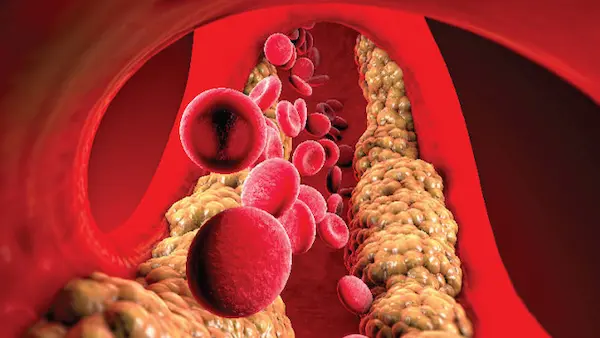
What are triglyceride levels?
After we learned together about the symptoms of triglycerides, we will explain the levels of triglycerides that are usually measured through a fasting blood test, and they are divided into categories according to their severity, as follows:
- Normal: a safe level and its level is less than 150 mg/dL.
- Moderately high: requires monitoring and lifestyle modification, and its level ranges between 150 and 199 mg/dL.
- High: The risk of heart disease is increased, and its rate ranges between 200 and 499 mg/dL.
- Very high: The risk of pancreatitis is particularly high, at 500 mg/dL or more.
Sources rich in triglycerides
Triglycerides are a type of fat that is found in the blood and is stored in the body to be used as an energy source. Triglycerides come from the following sources:
Foods rich in saturated and hydrogenated fats
- Hydrogenated vegetable oils such as virgin oil and coconut oil.
- Vegetable ghee.
- Fast and fried food such as fries and burgers.
- Commercially baked products such as cakes, cookies, and donuts.
Foods rich in sugars and simple carbohydrates
- White sugar and soft drinks.
- Sweets and pastries.
- White bread, white rice and pasta.
- Artificial fructose found in manufactured items.
Book your consultation now at Digestive Diseases Center At Al Mousa Specialist Hospital.
Fatty meats and full-fat dairy products
- Red meat and processed meats such as sausage and salami.
- Full fat cheese, butter and cream.
Alcohol
Drinking alcohol raises triglyceride levels very quickly, even if the person does not eat a lot of fat.
It should be noted that excessive consumption of these foods increases the level of triglycerides in the blood, and helps increase the risk of heart disease and diabetes. Therefore, it is recommended to follow a balanced diet that contains healthy fats such as Omega-3, be careful to reduce sugar and refined carbohydrates, and practice regular physical activity.
Learn about: مميزات شفط الدهون بالفيزر
How to prevent triglycerides
To be able to prevent high triglycerides, it is important to follow a healthy lifestyle in your life, and prevention includes many aspects, the most prominent of which are as follows:
- Healthy nutrition by reducing sugars, avoiding soft drinks, sweets, and refined sugars, and reducing saturated and trans fats such as fried foods, butter, and ghee, as well as ready-made baked goods.
- Make sure to increase healthy fats, such as omega-3, found in fish such as salmon and sardines, or in nuts.
- Increase dietary fiber by eating whole vegetables, fruits, and whole grains such as oats.
- Moderation in carbohydrates, do not eat too much white bread, rice or pasta.
- Do at least half an hour of exercise daily, such as brisk walking, swimming, or cycling.
- Maintain a healthy weight and lose excess weight to reduce triglycerides.
- Avoid alcohol, which raises triglycerides, even in small amounts.
- Quitting smoking, which helps improve heart health and reduce the symptoms of triglycerides.
- It is important to have regular medical examinations and periodic checks for triglycerides, cholesterol and blood sugar.
Frequently asked questions
What are the symptoms of cholesterol and triglycerides?
Most of the time, triglyceride symptoms do not appear clearly, nor do symptoms of high blood cholesterol appear, which is why they are called the silent killers. However, in some severe or chronic cases, some symptoms appear, such as the accumulation of yellow fatty deposits under the skin known as xanthoma, or white rings may appear around the cornea. Their elevation for a long period without treatment can lead to serious complications such as chest pain resulting from angina, heart attacks, or strokes due to clogged arteries, and for this reason it is recommended to perform periodic examinations for early detection.
Does high triglycerides cause dizziness?
High triglycerides do not directly cause dizziness, but it may be an indicator of broader problems in cardiovascular health, such as high blood pressure or narrowing of the arteries, which are conditions that lead to poor cerebral perfusion and then a feeling of dizziness or vertigo. Also, high triglycerides are often accompanied by other disorders such as diabetes or insulin resistance, which may cause signs similar to the symptoms of triglycerides. Therefore, it is important not to ignore recurring dizziness and consult a doctor to conduct the necessary tests.
What is forbidden food for triglyceride patients?
It is important for triglyceride patients to avoid foods rich in simple sugars, such as sweets, soft drinks, and sweetened juices. It is important to avoid refined carbohydrates, such as white bread and white rice, because these foods are quickly converted into fat in the body. It is forbidden to eat saturated and trans fats found in butter, margarine, fried foods, ready-made foods, and commercial baked goods. In addition, it is important to avoid consuming alcohol, which raises triglycerides significantly, even when consumed in small quantities.
Booking an appointment at Al Mousa Specialist Hospital is an important step in treating triglyceride symptoms, as the hospital provides a team of doctors specializing in cardiology, endocrinology, and therapeutic nutrition, in addition to providing the latest devices to diagnose blood fat levels. This helps determine the underlying causes of triglyceride symptoms, such as fatigue and dizziness, and develop an effective treatment plan.
المصادر:
High Triglycerides: Causes, Symptoms & Treatments – ucfhealth
Triglycerides – clevelandclinic
