
Speech and nervous communication disorders are dysarthria. This occurs when the muscles relied upon in the speech process are weak or not easy to control. Dysarthria results in slow speech and even speech that is not clear and therefore cannot be understood or comprehended. Cases have been revealed that cause an impact on the nervous system or result in facial paralysis, including weakness in the muscles of the tongue or throat. Within the Well-Being Center of Al-Mousa Health Hospital, these medical conditions can be treated efficiently by the best psychiatrists and neurologists.
What are neurological communication disorders?
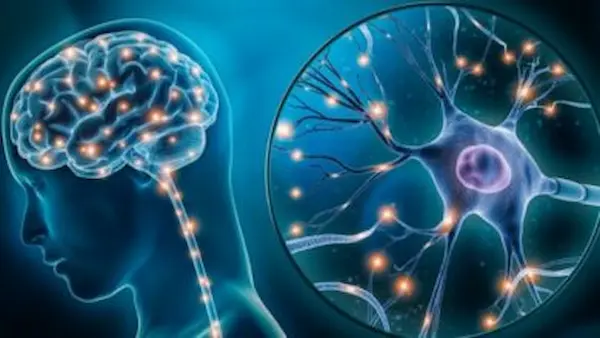
Neurological communication disorders are common problems that affect children and adults, and arise as a result of a defect in the nervous system that affects the ability to speak, use, or understand language.
These conditions are more complex than just a transient developmental delay, especially if they persist for a long time without improvement.
Reasons Neurological communication disorders
Many people cannot speak, and there are many reasons to face problems with neurological communication disorders, which are as follows:
Pathological causes
- Having amyotrophic lateral sclerosis (ALS).
- Having a brain tumor.
- Cerebral palsy.
- Bell's palsy and Guillain-Barré syndrome.
- Huntington's disease.
- Suffering from Lyme disease and Wilson's disease.
- Exposure to multiple injuries and muscle atrophy.
- Suffering from myasthenia gravis.
- Exposure to Parkinson's disease.
- Exposure to strokes.
- Exposure to viral infections.
- Types of medications, including epilepsy medications, opioids, or tranquilizers, as they affect the central nervous system.
- Injury to the tongue or vocal folds.
- Suffering from paralysis of the facial muscles.
- Suffering from a head injury.
Organic causes
- Exposure to speech and communication disorders, and the cause is physical, as some people are exposed to problems in the structure of the mouth or tongue, as well as morals.
- Deformity of the palate, narrowing of the airway, or deformities of the teeth.
Psychological and social reasons
- Feeling nervous and anxious when speaking with others, including the inability of the individual to pronounce properly and express clearly.
- Social pressure, which is represented by bullying or experiencing embarrassment.
Learn: How it affects PTSD on your life؟ الأسباب والعلاج
Diagnosis of neurological communication disorders
is diagnosed Neurological communication disorders, such as dysarthria or difficulty in expression or understanding resulting from a defect in the nervous system, by a speech-language pathologist in cooperation with a neurologist.
Imaging tests
Pictures of the body are taken and magnetic resonance imaging tests are performed. There is also what is called a computed tomography scan, which provides detailed images of the brain, head and neck, from which the doctor reveals the cause of the speech problem.
Brain and nerve studies
These studies help determine the source of the symptoms, as it is based on measuring the electroencephalogram, which is called EEG, which detects electrical activity in the brain, and also measures the electromyogram, known as EMG, and also measures the electrical activity in the nerves as they send messages to the muscles. The strength of the electrical signals is also measured and their speed is detected as they travel through the nerves and head towards the muscles.
Blood and urine tests
Through it, the cause is determined, whether it is an infectious disease or an inflammatory disease.
البزل القطني
It is called a spinal tap, in which a sample of cerebrospinal fluid is generated and tested in the laboratory. Through this, serious infections are diagnosed, central nervous system disorders are diagnosed, and brain cancer and spinal cord dysfunction are diagnosed as well.
The role of parents and teachers in supporting those infected
People with speech and communication disorders need support and special coping methods through effective communication. Patience must be maintained and signals with the hand, head and face should be used to enhance communication. The role of parents and teachers is explained below:
Firstly, the role of the parents
Parents have a major role in helping their children who suffer from speech and communication disorders. This is done by using effective communication methods, which are represented by the use of sign language and pictures to express desires and needs. It also requires patience so that the child can deliver his message because it usually takes a lot of time to explain.
Secondly, the role of teachers
Teachers play an important role in supporting students who suffer from a speech problem, and this serves as additional support that helps develop the child’s skills in speech and the communication process. Teachers should be sensitive to the students’ needs and efforts, and it also requires that there be cooperation with the students’ families so that there is a significant improvement in the students’ results.
Book your consultation now at مركز العلوم العصبیة At Al Mousa Specialist Hospital.
Treatment of neurological communication disorders
Children suffer from speech disorders and appropriate treatment methods need to be provided. Treatment depends on the severity of the disorder and the child’s needs, which are as follows:
- Initial evaluation: Before treatment, an initial evaluation is conducted in which the type and severity of the disorder is determined, and it is also determined whether or not additional evaluations are needed, which are linguistic evaluation and auditory evaluation.
- Educating and guiding parents: Guiding and educating parents is a very important role in the process of improving children’s speech and speech skills. This includes providing important advice on ways to support the child and work on developing his verbal skills at home.
- Speech and language therapy sessions: These sessions include exercises and activities specific to the process of improving the child’s speech and language skills. They are directed individually. The sessions include activities related to learning sounds and forming words as well, and working to improve linguistic expression.
- Positive use of prostheses: There are cases that require reliance on prostheses, which are represented by devices that assist in the speech process, including speech guidance devices.
- Communication with the child’s school: Parents are required to communicate with the school and teachers in order to support the child at school and work to adapt the child’s educational activities to his needs.
- Regular follow-up and evaluation of the child: This involves monitoring the child’s progress and development and working to evaluate the extent of the effect of treatment, which ensures continuous progress and makes the necessary and necessary adjustments in treatment.
- Motivational techniques: Work on using techniques that stimulate the child to speak, and even work on supporting him emotionally and working to enhance his self-confidence.
- Linguistic activities: playing, talking with pictures, books, and motivational tools, and doing some exercises through a speech therapist.
- Speech activities: The specialist provides speech activities for the child with a speech disorder through a model of showing the correct sounds and syllables in words and sentences for this child.
- Fluency activities: The speech and language therapist uses stuttering modification techniques, through which the child can gain a lot of confidence in his abilities in the process of speech and communication.
Frequently asked questions:
Can neurological communication disorders be prevented?
Primary prevention of neurological communication disorders can be achieved by providing appropriate health and medical care, such as providing vaccinations, prenatal care, general education, genetic counseling, comprehensive screening and early identification, paying attention to monitoring environmental quality, promoting well-being, which improves both psychological, physical and behavioral well-being, encouraging good nutrition for mothers and taking good care of them before birth, as it promotes optimal fetal growth, and the importance of pregnant women avoiding taking medications and medications.
Neurological communication disorders are represented by the difficulties that occur in the manifestations of motor production of speech, or the inability to produce specific speech sounds. People suffer from them for many reasons, including psychological, social, and pathological. Therefore, it is recommended that ideal and effective treatment of speech and communication disorders be done by competent doctors. Special treatments and training within the Well-Being Center of Al-Mousa Health Hospital may have a helpful role in effective communication and rapid recovery.
Sources
What are Acquired Neurogenic Communication Disorders? – lonestarneurology
Neurological Speech Disorders in Adults: A Comprehensive Overview – connectedspeechpathology
