
Would you like to know information about the cracking process?
Correctly understanding this health problem early on, and determining the appropriate treatment for your condition, is the first and important step towards recovery, restoring your comfort, and improving your quality of life.
So if you are suffering from the symptoms of a crack, and want to know how it can be treated, follow this article with me.
What is an anal fissure?
An anal fissure is a small tear or tear in the lining of the anus that usually causes severe pain and red bleeding during or after a bowel movement.
The crack occurs as a result of trauma to the inner lining of the anus.
This health problem is very common, but it is often confused with other causes of pain and bleeding, such as: hemorrhoids. وعادةً ما يتحسن الشق من تلقاء نفسه، ولكن إذا استمر لأكثر من ستة أشهر، فقد يعد مزمنًا، ويحتاج إلى علاجات؛ لتعزيز الشفاء وتخفيف الانزعاج.
Methods of treating a fissure
If you have a chronic anal fissure, or one that lasts more than eight weeks, you can treat it in one of the following ways
العلاجات المنزلية
Some home remedies may help promote healing and relieve uncomfortable symptoms, including:
- Use stool softeners that are available without a prescription.
- Drink more fluids;
- Eat more high-fiber foods, or take fiber supplements.
- Take a seat bath to relax the anal muscles, relieve irritation, and increase blood flow to the anal and rectal area.
pharmaceutical
If symptoms persist after trying home remedies, you should consult a doctor, who may recommend the following medications
- Nitroglycerin ointment
Nitroglycerin ointment is a vasodilator.
However, it should be noted that it may cause headaches, and therefore some people may have to stop using it.
- Calcium channel blockers
These include diltiazem, or nifedipine.
- Bulk laxatives
If your stool is too hard, it may put extra pressure on your anal fissure.
- Topical pain relievers
You can use topical pain relievers, such as lidocaine, on the anus, to relieve discomfort.
Surgery
If your anal fissure does not respond to other treatments, your doctor may recommend a fissure procedure to help relax the sphincter and heal the fissure.
Learn about: The best 3 ways to treat hemorrhoids What are the appropriate topical ointments?
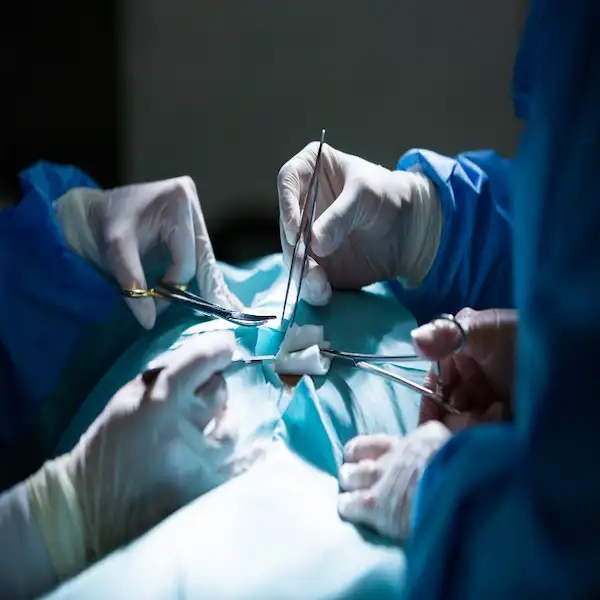
What are the types of cracking process?
An incision is a medical procedure often recommended to treat severe pain caused by a tear in the lining of the lower rectum.
Although some anal fissures may heal on their own, or with the help of over-the-counter treatments, such as laxatives and topical analgesics, others may cause pain that lasts for weeks and eventually requires surgical intervention.
There are many different types of fissure surgery, and the following is a description of the most common options
Botulinum toxin injection (Botox)
Your doctor may suggest you undergo a procedure البوتكسThis is if your anal fissure does not heal with ointment or cream.
When using this procedure to treat a fissure, Botox will be injected into the sphincter muscle in the buttocks, which helps the muscles relax and allows the fissure to heal naturally.
Botox is performed in a hospital operating room, under general anesthesia.
It usually takes four to eight weeks for the fissure to heal after the injection, and you may need a second dose of injection a few months after the first dose, in order for the anal fissure to completely heal.
Anal fissure excision
Anal fissure excision is one of the surgical options for fissure surgery, and it aims to remove the superficial scarred skin surrounding the fissure, so that the wound can heal properly.
You may also need this procedure if you develop an abscess, a severe infection that can spread to other areas of your body and cause long-term health complications.
Lateral internal sphincterotomy
Your doctor usually suggests this procedure after trying other treatments first, including Botox injections.
This procedure is performed under local or general anesthesia.
Lateral internal sphincterotomy can be performed in two ways
- Open sphincterotomy
The surgeon makes a small incision in your skin;
- Closed sphincterotomy
The surgeon passes a blade under the skin;
People who undergo this surgery usually recover within eight weeks of treatment.
Anal submission flutter
This procedure aims to take healthy tissue rich in blood vessels from another part of the body and use it to help the anal fissure heal more quickly.
Your doctor may advise you to undergo this procedure if you have persistent incisions, or if you are more likely to develop urinary incontinence after surgery.
Book your consultation now at Surgery center At Al Mousa Specialist Hospital.
How to prepare for the fissure operation?
You must follow the following steps before undergoing the fissure operation, in order to ensure that the surgery is performed with the utmost safety, including:
- You must fully understand all steps of the procedure.
- Tell the doctor the following
- Report possible allergies, such as allergies to anesthetics, latex, or metals.
- All medications, vitamins, and nutritional supplements you take.
- If you have a history of bleeding disorders, or are taking anticoagulant medications.
- If you have medical problems, such as a disease Diabetes, high blood pressure, or heart or respiratory problems.
- If the patient suspects that she is pregnant.
Instructions before the incision process
The doctor may advise you on some instructions that you must follow before undergoing the fissure procedure, in order to reduce the risks of possible complications, including the following
- You should follow a healthy diet.
- Stop smoking, because it may hinder the healing process.
- Avoid eating solid foods at least six hours before surgery, and liquids two hours before you arrive at the hospital.
- Stop taking certain medications, such as warfarin or aspirin.
- If you have constipation, you can take a gentle laxative three or more days before surgery.
- Your doctor may give you an enema when you arrive at the hospital, to avoid passing during surgery.
Tests required for the cracking process
As with most surgical procedures, fissure surgery may require a preoperative examination for the following
- To determine the patient's health condition.
- Find out whether he is fit for surgery or not.
- Avoid any possible complications during or after the operation.
These tests include the following
- Complete blood analysis. This test can detect the level of hemoglobin, platelets, and white blood cells.
- Erythrocyte sedimentation rate.
- Fecal transplant.
- فيروس نقص المناعة البشرية.
- تخطيط كهربية القلبThe doctor advises people who suffer from heart disease to undergo this examination.
- Chest X-ray. Your doctor may order this test if you have respiratory problems.
- Liver and kidney functions.
Post-operative care tips
Good care can help you promote the healing process and avoid potential complications of the fissure.
- Take painkillers to relieve discomfort after surgery.
- Sit in a warm sitz bath for 15 to 20 minutes three times daily, and after each bowel movement for the first few days.
- Avoid strenuous activities for a week after the operation.
- Take laxatives twice daily to avoid constipation.
- Avoid using dry toilet tissues, and use wet or cotton wipes to clean yourself.
- Drink 6 to 8 glasses of water daily.
- Follow a diet that contains plenty of fruits, vegetables, and whole grains that are rich in fiber.
- Avoid rubbing the area.
- Do not use scented soap, as it may cause irritation of the wound.
- Avoid spicy foods and drinks containing caffeine.
- Do not sit in the same position for long periods.
- Do not try an enema unless your doctor advises you to do so.
What are the complications of fissure surgery?
Fissure surgery is a safe operation and rarely causes complications.
- Bleeding or blood clots that occur for a long time or are severe.
- Inability to urinate within 12 hours after the operation.
- Feeling nauseous and vomiting that do not go away and last for more than 4 to 6 hours.
- Chills, or sweating.
- High temperature of more than 38 degrees Celsius.
- Worsening, spreading anal pain.
- Increased anal secretions, or the appearance of pus and a foul odor.
- Feeling pain and swelling in the wound area.
- In very rare cases, narrowing of the anus may occur.
Frequently asked questions about the cracking process
If your doctor advises you to undergo a fissure surgery, you may have many questions in your mind, such as:
How long does it take to heal after a fissure operation?
The recovery period from a fissure varies from person to person, depending on many factors.
Is fissure surgery a painful surgery?
Fissure surgery is painless because it is performed under general anesthesia, but you may experience pain after surgery during the recovery period, and it is usually manageable with painkillers.
Does the fissure operation involve suturing?
Yes, some types of anal fissure surgery may use dissolvable sutures to close the fissure or stabilize new tissue.
In conclusion, I now realize, dear reader, what is the process of cracking?
So, if you suffer from an anal fissure and want to treat it, the most skilled doctors at Al Mousa Specialist Hospital can help you treat this health problem, using the latest technologies and therapeutic methods.
Sources
What Causes Blood in the Stool? – healthline
What is an anal fissure? – clevelandclinic
