
Lymph nodes are an essential part of the immune system in the human body, and they act as an important line of defense against diseases and infections. These glands resemble small beads distributed throughout the body, and they filter the lymphatic fluid from germs, viruses, and damaged cells.
The difference between lymphadenitis and cancer
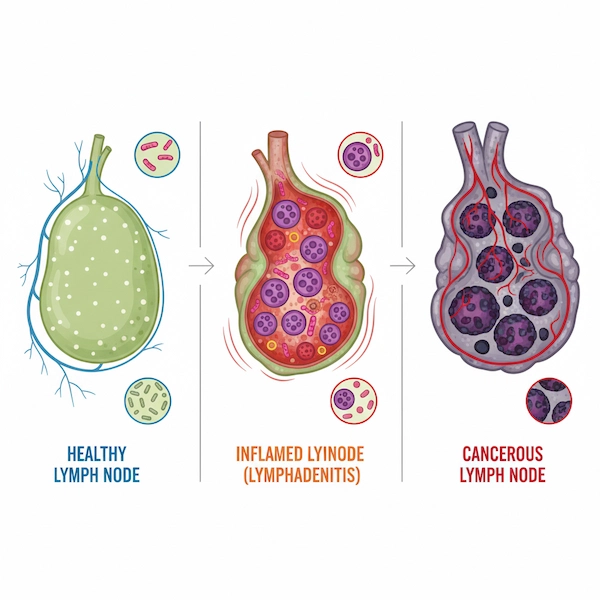
The difference between inflammation of the lymph nodes and their cancer appears in several basic aspects, the most important of which are the causes, symptoms, and types. This can be explained as follows:
التعريف
Understanding the nature of the glands helps distinguish between simple conditions, such as inflammation, and more serious conditions, such as cancer They can be differentiated as follows:
- Inflammation of the lymph nodes, often caused by an infection (bacterial, viral, fungal), leads to painful enlargement of the nodes due to the activity of white blood cells.
- Lymphoma occurs due to abnormal changes in lymphocytes and their uncontrolled growth, and it may be fast or slow.
Species
Understanding the types of lymph nodes helps to make the correct diagnosis and choose the appropriate treatment The most important types are the following:
- Inflammation of the lymph nodes
- Localized (in a single node or small cluster).
- Generalized (in several groups of nodes).
- Lymphoma.
- Hodgkin's disease (mostly curable if diagnosed early).
- Non-Hodgkin's (most common, usually seen in older people)
الأعراض
When any malfunction occurs in the glands, this often appears through clear signs felt by the patient, and these signs help doctors distinguish between inflammation and more serious diseases. This can be known through the following:
- Inflammation of the lymph nodes: Pain, redness, pus, fever, fatigue, night sweats, and difficulty breathing.
- Lymphoma: Initially painless and persistent swelling, unexplained weight loss, extreme fatigue, fever, night sweats, and shortness of breath.
Causes and risk factors
The lymph nodes are affected by several factors that may lead to inflammation or increase the possibility of cancer, and knowing these reasons helps in prevention Early diagnosis is as follows:
- Lymphadenitis infection: Weak immunity, aging, sexually transmitted diseases, drugs.
- Lymphoma: Genetic mutations, HIV, weak immunity, autoimmune diseases, family history.
Diagnosis
Diagnosis of lymphoma diseases depends on a group of medical tests that help doctors accurately determine the cause and develop an appropriate treatment plan The following procedures can be followed:
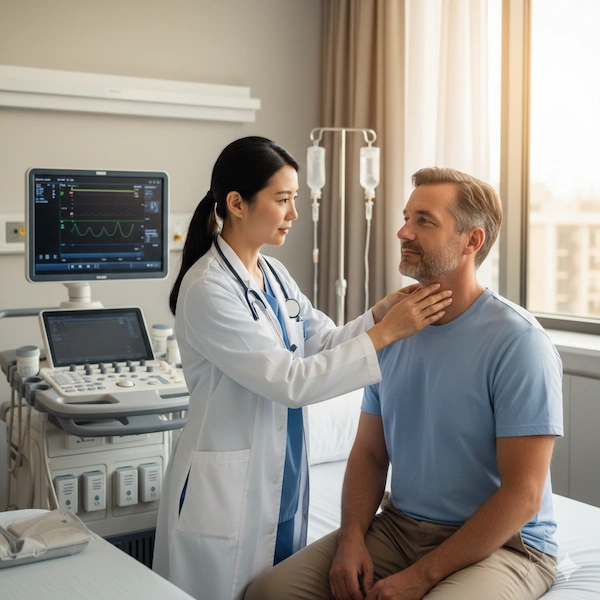
- Physical examination (palpation of glands).
- Blood tests.
- Take a biopsy of the node.
- Imaging examinations (MRI, CT scan).
Learn about: The most important symptoms of lymphadenitis and how to treat it
Symptoms of benign lymph nodes
Symptoms of this disease may vary depending on the cause and location of the infection, but they are often associated with enlarged glands and a feeling of pain. Knowing these symptoms helps in early attention to the problem. The most prominent symptoms are the following:
- Pain and swelling: Pain in swollen glands, with swelling the size of a pea or larger.
- Skin: red or purple spots appear on the surface of the skin.
- Tongue, the appearance of slow-growing masses that may obstruct the airway inside the mouth.
- Lungs, persistent cough, shortness of breath, high temperature (fever).
- Other symptoms include nausea, runny nose, sore throat, and night sweats.

The relationship between lymph nodes and cancer
In advanced centers such as Al Mousa Specialist Hospital, doctors are interested in careful examination because it may be the starting point for cancer or a means of its spread, which helps determine the stage of the disease and develop an appropriate treatment plan. as follows:
- In some cases, cancer begins directly in the glands, as in adenocarcinoma, where lymphocytes turn into cancer cells that grow abnormally.
- Spread of cancer: Glands may be a means for the spread of other types of cancer in the body, as cancer cells move from the original tumor to the glands and then to other organs.
- The doctor examines the glands to ensure they are injured or healthy, because this helps determine the stage of the disease and develop an appropriate treatment plan.
Methods of examining lymph nodes
- Manual examination: The doctor relies on feeling the glands in areas such as the neck, armpit, or groin, to find out whether they are enlarged or painful when pressed.
- Imaging tests include the use of techniques such as CT scan or MRI, as these images help reveal the size and location of the glands and the extent of the tumor’s spread.
- Biopsy: A sample is taken from the gland and examined under a microscope to confirm the presence of cancer cells. It is one of the most accurate diagnostic methods.
- Modern technologies, in some cases, use robotic surgery, which provides high accuracy in removing tumors, in addition to pharmacogenome analysis, which examines 14 essential genes to determine the best drug response, especially for patients with heart disease, oncology, pain, and psychiatry.
Lymph node treatment
Endocrine treatment varies according to the type of disease and the stage of its spread. Some patients may only need periodic follow-up, while others may require advanced treatments They are as follows:
- Watch and wait: In some cases where symptoms do not appear, the doctor simply follows up the case with periodic examinations every several months.
- Chemotherapy, powerful drugs often given intravenously or in pill form, may be used alone or with other treatments.
- Immunotherapy helps the immune system recognize and eliminate cancer cells, and is sometimes used in combination with chemotherapy.
- Radiation therapy directs powerful beams of radiation to specific areas to eliminate cancer cells or relieve symptoms.
- Targeted therapy, drugs that attack specific substances inside cancer cells to stop their growth.
- Clinical trials provide an opportunity to try the latest treatments under specialized medical supervision.
- T-cell therapy modifies a patient's immune cells in the laboratory to recognize cancer cells
- It destroys them, and is used in incurable or relapsing cases.
- Bone marrow (stem cell) transplant Replacement of damaged cells with healthy cells from the patient themselves or from a donor, often done in combination with chemotherapy.
- Treatment for cutaneous lymphoma includes topical medications or phototherapy, using light and medications together.
- Follow-up after treatment includes blood tests, imaging, and periodic biopsies to ensure that the disease does not return.
Read also: Types of lymphoma that destroy the immune system and methods of treating them
Prevention and care of lymph nodes
Taking care of the glands and preventing their problems is important to maintain the health of the immune system, as some simple daily practices can reduce the risk of infection and help the body resist diseases. The most important methods are the following:
- Wash hands well and avoid touching the eyes, nose and mouth, as they are major entry points for viruses and bacteria.
- Avoid contact with sick people to reduce the possibility of transmission of infection.
- Regularly clean and disinfect surfaces in the home or workplace, especially frequently used areas.
Get enough sleep daily to boost immunity. - Doing physical activity such as walking or simple exercises to stimulate blood circulation.
- Pay attention to healthy nutrition rich in vegetables and fruits, and drink water regularly to support blood and lymphatic circulation.
- Conducting periodic examinations helps detect any problems early.
Complications of neglecting treatment
Neglecting treatment of glandular diseases may lead to serious complications that affect the body’s health and quality of life. The most prominent complications are the following:
- Spread of disease, may be transmitted Cancer cells Or infection from the lymph nodes to other organs such as the liver or lungs.
- Weak immune system. Neglecting treatment leads to a decrease in the body’s ability to resist germs and viruses, and this increases the risk of recurring infections.
- Worsening of symptoms, such as larger swollen glands, increased pain, persistent fever, and severe night sweats.
- Respiratory problems. Swollen glands in the chest area may put pressure on the lungs or bronchial tubes and cause shortness of breath.
- Weight loss and chronic fatigue as a result of the disease continuing without treatment, affects the patient’s energy and daily activity.
- Risk of relapse and difficulty in treatment later. The longer medical intervention is delayed, the more likely the disease will become resistant to conventional treatments.
- Neglecting treatment may affect the patient's social and psychological life, as it limits his ability to practice his daily activities and increases his feeling of exhaustion and isolation.
The best advanced medical services
Doctors in advanced centers such as Al Mousa Specialist Hospital are keen to use the latest technologies to provide accurate and safe health care, combining modern technology and medical expertise to meet the needs of every patient. The most important services are the following:
- Relying on artificial intelligence and advanced analytics to read medical examination results quickly and accurately, which helps make better treatment decisions.
- High-resolution medical imaging using the latest radiology and magnetic resonance imaging devices for early detection of diseases and determining the appropriate course of treatment.
- Robotic surgery provides extreme accuracy and reduces complications, which speeds up patients’ recovery.
- Pharmacogenome analysis, which examines 14 essential genes to determine the body's response to medications, allows personalized treatment plans for cardiology, oncology, pain and psychiatric patients.
- Health education and psychological support programs that help patients understand their condition and adapt to treatment, which enhances their quality of life.
- Smart periodic follow-up via digital systems allows continuous monitoring of health status and ensuring its stability in the long term.
Frequently asked questions about Lymph nodes and their importance
Does gastritis cause lymphadenitis?
Gastritis does not usually cause inflammation or enlargement of the neck or submandibular glands, as they are more affected by infections of the mouth, pharynx, and teeth. As for the glands in the abdomen, they may become inflamed due to a bacterial or viral infection related to the digestive system.
Can lymphadenitis turn into cancer?
Inflammation of the glands resulting from an infection does not turn into cancer, but swollen glands may sometimes be a sign of a separate cancer such as lymphoma, so the two conditions must be differentiated through a medical examination.
How long does it take for swollen lymph nodes in the neck to go away?
Swollen lymph nodes in the neck usually disappear within one to three weeks after the body overcomes the infection. If the swelling persists more than that or is accompanied by abnormal symptoms, you should see a doctor.
What are lymph nodes in children?
Lymph nodes in children are small parts of the immune system that filter germs and viruses from lymph fluid, and produce white blood cells to fight infections. They often enlarge when they have a cold or sore throat, and this is a natural response of the body.
Conclusion
Lymph nodes are an essential part of the immune system. They protect the body from infection and detect some diseases when they are enlarged. If you notice any abnormal symptoms or continuous enlargement of the glands, do not hesitate to consult specialist doctors. Al Mousa Specialist Hospital You will find the latest medical technologies and precise care designed specifically for you, ensuring the best methods of diagnosis and treatment. Your health begins with one step. Make it today by visiting or booking an appointment with the specialized medical team.
