
Pregnancy symptoms in the first week constitute a puzzling mystery for many. They are subtle signs that may be similar to other symptoms, but they carry within them the herald of the beginning of the journey of motherhood. From this standpoint, Al Mousa Health Group offers you an in-depth reading of these early signs and how to distinguish them from normal physiological changes.
Pregnancy symptoms in the first week before your period
Women go through this first stage with difficulty, as they are anxious to wait for any sign that suggests pregnancy to appear. It is a golden stage of anticipation, and although there is no medical confirmation of pregnancy at this time, there are certain signals that the body gives off early that must be listened to.
Physiological changes occur in your body as a result of the implantation of the fertilized egg in the wall of the uterus. Therefore, the symptoms do not appear all at once, but rather are sequenced according to the hormonal changes that begin to rise in a severe form, and usually begin to appear in the period a few days before the menstrual period. Here are the most likely signs of this period:
- Implantation bleeding (pregnancy symptoms from the first day of fertilization)
This bleeding is the first physical phenomenon that you will see since the beginning of fertilization, which results from the fertilized egg penetrating the wall of the uterus to attach to it, and the pregnancy is completed safely and the fetus grows with nutrition through the placenta.
But it is necessary to distinguish it from monthly menstrual bleeding, as this symptom is simple pink or light brown blood spots, and lasts for hours or only one day, unlike monthly menstruation, which flows abundantly and continues for the duration of your usual menstrual cycle.
- A sudden feeling of fatigue and exhaustion are symptoms of pregnancy in the first ten days
You feel sudden and persistent fatigue, despite getting enough sleep. On the contrary, the feeling of need to sleep increases throughout the day, in response to the influx of the soothing progesterone hormone that accompanies the feeling of lethargy, which indicates that the body has begun to provide a supportive environment for your fetus.
- Breast changes
The breast is the first organ in your body to respond immediately to a surge in hormones, as the body works to prepare the mammary glands, which causes a feeling of heaviness and fullness, or increased sensitivity and pain to the touch, as well as a change in color to light browning around the nipples and the appearance of bumps.
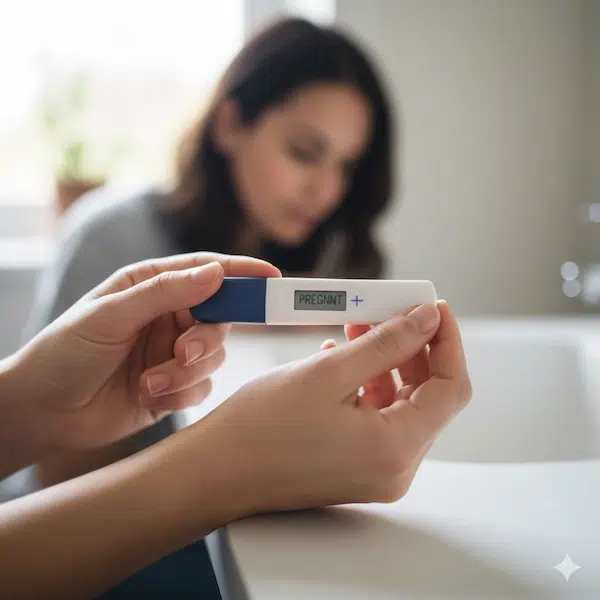
Pregnancy symptoms in the first week of the virgin
Although the basic physiological changes in the first weeks are identical between the first primiparous and subsequent non-primary pregnancies, the perception of symptoms may be radically different in them.
At the beginning of her pregnancy, a virgin becomes very alert and sensitive to the smallest, unfamiliar physical changes that happen to her, which makes her more sensitive to them and more moody and anxious. The first time the body faces such changes, they are more severe on it. Its most prominent signs include:
- Mild cramps in early pregnancy.
- Mood swings with increased emotional sensitivity.
- Dizziness and vertigo.
اقرأ المزيد عن Pregnancy secretions: causes, types, and how to deal with them safely.
Pregnancy symptoms in the second week
After the menstrual cycle is delayed and the first week has passed with its symptoms and signs, the body begins to receive the second week, which is a turning point in the strength of the symptoms, as the levels of the pregnancy hormone (progesterone) continue to rise rapidly, making the signs appear more clearly and definitely, so the certainty of pregnancy increases. The following physical signs are more disturbing than subtle signs:
- Severe fever and aversion to smells
Fever and nausea often begin to appear late in the first week, becoming more apparent in the second week and beyond. The reason for this phenomenon is the sharp rise in hormones, which affects the vomiting center in the brain.
Your sense of smell also increases significantly, making you feel nauseous to some smells that you were used to before, such as cooking smells and perfumes, causing you to develop a clear aversion.
- Increased frequency of urination: The frequency of urination increases For the following reasons:
- Significantly increases blood flow in your body to ensure your fetus is nourished, which increases the amount of fluid that your kidneys must eliminate.
- The uterus expands due to the presence and growth of the fetus inside it, which puts strong pressure on the bladder in the pelvic area, resulting in your intense need to urinate with increased frequency daily.
- Change in color of vaginal discharge
Hormonal changes affect the color of secretions and increase their rate naturally, so they become white and transparent with a slight odor.
Get to know افضل دكتور لعلاج تاخر الحمل والانجاب في الاحساء.

Distinguish between early pregnancy symptoms in the first week and menstrual symptoms
The significant overlap between premenstrual signs and the first signs of early pregnancy is one of the most prominent challenges you face in the first week. Both conditions involve similar hormonal fluctuations, such as:
- Breast pain.
- Mood swings.
- Mild colic.
As for the differences that we will focus on to help you distinguish between them, while paying attention to the severity and persistence of symptoms, We will summarize them in the following table:
| العلامة | Before menstruation | Early pregnancy condition |
| التعب والإرهاق | It starts before the period and ends when it begins | Severe pain that lasts for weeks and does not go away with normal rest |
| ألم الثدي | Temporary, ends as soon as menstrual bleeding occurs | It begins with pregnancy and ends only with childbirth, with a feeling of heaviness and fullness |
| Nausea | Rarely | It starts out mild and increases over time, along with vomiting and an aversion to smells |
| Colic and cramps | It affects you a day or two before menstruation and is severe and continuous during bleeding | Very mild, tingling-like, intermittent, not continuous, and occurs before the expected period |
How does implantation bleeding help in distinguishing?
Implantation bleeding is the most obvious and significant point. If light bleeding occurs at a time other than the usual menstrual time, or the bleeding is much lighter than what you are used to, you should pay attention.
Menstrual bleeding begins gradually until it becomes heavy on the days of Tashreeq, which are the second, third, and fourth days as usual, and continues for the number of menstrual days that you are accustomed to each month.
But implantation has very little bleeding, consisting of a few spots that are bright red or light brown, and then it ends in just a day or two, and here is a strong indication for you to take a pregnancy test and make sure.
You may also be interested in getting to know me Methods of treating polycystic ovary syndrome for married women, and is pregnancy possible?
Medical instructions and advice
Although most of the symptoms of pregnancy in the first week are natural signs and signs of a new life, there are specific warning signs that should not be ignored, because monitoring pregnancy from the first moments is the foundation of your health and the health of your fetus, which requires specialized medical intervention to avoid any possible complications.
Therefore, we advise you that as soon as you notice the early signs of pregnancy, you take the surest step, which is to confirm the pregnancy by starting periodic follow-up, knowing that home tests provide an almost certain indicator. But medical advice guarantees you:
- Definitive confirmation with a blood analysis that determines the age of the fetus and confirms the pregnancy definitively.
- The safety of your pregnancy, as you can confirm with the ultrasound that the pregnancy is inside the uterus and avoid an ectopic pregnancy with its risks to you and your fetus.
- Get preventive care by taking Nutritional supplements The occasion.
That's why you recommend Al Mousa Health Group Quickly book for medical follow-up and ensure that you receive comprehensive medical care to enhance your health and the health of the fetus, as it has an integrated team of doctors specialized in this field.
Danger indicators include signs of abnormal bleeding or severe pain
You should pay close attention to any of the following symptoms Because it may be a strong indicator of the presence of danger that requires immediately going to the emergency room:
- Severe vaginal bleeding accompanied by tissue masses.
- Strong and constant pain in the lower abdomen.
- Dizziness and fainting with severe vertigo.
It is necessary if you notice any of these signs to go directly and immediately to the group, as such cases are dealt with very professionally and quickly.
Frequently asked questions about pregnancy symptoms in the first week
What foods help stabilize pregnancy in the first week?
Food rich in folic acid, such as leafy vegetables, lentils, and foods containing vitamin B6.
Do pregnancy symptoms start after 5 days?
Yes, it is the first early sign of pregnancy that a woman notices after five to seven days.
How many days does pregnancy last?
It lasts for two days and is a sign of implantation bleeding, which is light bleeding that does not last more than two days.
Where is the pain in early pregnancy?
The lower back area shows clear tingling, along with cramping in the uterine area in the lower abdomen.
خاتمة
A final word for your next step towards motherhood. After discovering the symptoms of pregnancy in the first week, which are light whispers that carry the greatest news, you must make the decision to start comprehensive care and not stop at the step of confirming the physical signs only.
Certainty and reassurance are not achieved by mere speculation. Rather, one must turn to specialistsDo not postpone consulting a doctorAs your health and the health of your precious fetus require early medical follow-up, which is what you will find in Al Mousa Health Group to accompany you on your journey with confidence and reassurance.
