
Although the chronic nature of congestive heart failure is a major challenge for patients, patients can live an active and high-quality life by following some effective strategies. This article aims to provide tips for living with congestive heart failure, covering various aspects of self-care and symptom management to improve patients' quality of life.
What is congestive heart failure?
It is a chronic heart disease that affects the heart muscle, resulting in the heart being unable to pump blood rich in oxygen and nutrients efficiently enough to meet the body’s needs. This results in fluid accumulation in the body, causing congestion in the lungs and sometimes in the limbs and other organs.
Types of heart failure
Heart failure is classified into several types based on which part of the heart is affected and how its pumping function is affected. The main types of heart failure include the following:
1. Heart failure according to the site of injury
- Left heart failure, when the left ventricle of the heart is unable to pump blood efficiently to the body, which leads to blood refluxing into the lungs, causing shortness of breath and fluid accumulation in the lungs. There are two types of systolic heart failure and diastolic heart failure.
- Right heart failure, when the right ventricle of the heart cannot pump blood effectively to the lungs, leading to fluid retention in the body, especially in the legs and abdomen.
2. Heart failure depending on the amount of pumping
- Heart failure with reduced ejection fraction, when the left ventricular pumping rate is less than 40%, which means the heart's ability to pump is weak.
- Heart failure with preserved ejection fraction, when the pumping rate is normal (greater than 50%) but the heart does not fill with blood properly.
3. Heart failure depending on the severity of symptoms
- Acute heart failure, which occurs suddenly due to a heart attack or severe high blood pressure, and may be life-threatening.
- Chronic heart failure develops slowly over months or years and requires long-term management with medications and lifestyle changes.
Causes of congestive heart failure
Congestive heart failure occurs as a result of a weak ability of the heart muscle to pump blood efficiently, and there are many reasons that lead to this, including:
- Coronary artery diseaseNarrowing or blockage of the arteries that supply the heart leads to a lack of blood flow, which leads to weak heart muscle.
- Heart attacks cause damage to part of the heart muscle, affecting the muscle's ability to pump.
- Chronic high blood pressure increases the burden on the heart muscle, leading to its enlargement and weakness over time.
- Heart valve disease, if the valves don't work properly, causes strain and weakness on the heart.
- Cardiomyopathy, as a result of genetics, viral infection, or alcohol and drug consumption.
- Heart infections, such as myocarditis or endocarditis affect normal heart function.
- Thyroid disorders, whether overactive or underactive, can affect the heart rate and pumping force.
- Chronic kidney disease can lead to fluid retention and increased burden on the heart.
- عدم انتظام ضربات القلب.
- داء السكري.
- Smoking, alcohol and drugs.
- Obesity and lack of physical activity.
- Excessive salt intake.
- Chemotherapy and radiation.
- Some diabetes medications or non-steroidal anti-inflammatory drugs.
How is congestive heart failure diagnosed?
The diagnosis of congestive heart failure at Al Mousa Specialist Hospital depends on evaluating symptoms, clinical examination, and various medical tests. The most important steps that doctors follow to diagnose the condition include the following:
- Medical history and clinical examination, where the doctor asks about the symptoms that the patient is suffering from, such as shortness of breath, fatigue, and swelling of the feet, and checks the patient’s heartbeat and blood pressure and looks for signs of fluid retention, such as swelling of the legs or hearing abnormal sounds in the lungs when breathing.
- Laboratory tests, a BNP or NT-proBNP blood test, which measures the level of a protein secreted when the heart is stressed, and is one of the most important tests to confirm heart failure, kidney, liver, and thyroid function tests, and a comprehensive blood analysis to detect anemia or infections that may affect the heart.
- Echocardiogram is an important test that reveals the size of the heart, the thickness of its walls, and the efficiency of its pumping.
- Chest X-ray, revealing an enlarged heart or fluid accumulation in the lungs.
- Cardiac MRI, to help accurately evaluate heart muscle damage.
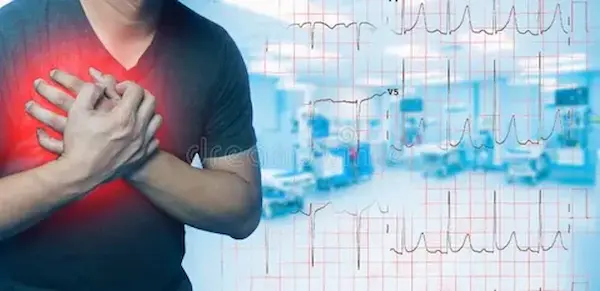
- Electrocardiogram, detects heart rhythm disturbances or previous damage to the heart muscle.
- Cardiac stress test, to determine how the heart responds to stress while walking or running on a treadmill.
- القسطرة القلبية An examination of the arteries, if there is suspicion of blockage in the coronary arteries.
- Lung function test, to rule out lung problems.
Preventing congestive heart failure
Preventing congestive heart failure depends on controlling risk factors and following a healthy lifestyle. We advise you to follow these tips that help reduce the possibility of developing the disease or prevent its worsening:
- Control blood pressure, keeping it less than 130/80 mmHg, through a healthy diet and taking medications when needed.
- Manage diabetes and maintain sugar levels within normal limits, through healthy nutrition, exercise, and diabetes medications if necessary.
- Reducing cholesterol, by following a diet low in saturated fats and taking cholesterol medications when needed.
- Quit smoking and alcohol, because they weaken the blood vessels and heart, and alcohol causes cardiomyopathy.
- Follow a healthy lifestyle, in terms of exercising regularly, and following a healthy diet that contains vegetables, fruits, and healthy proteins.
- Maintain a healthy weight, because obesity increases the burden on the heart.
- Manage stress, practice meditation, and relaxation techniques to reduce stress on the heart.
- Follow good sleep habits and get enough sleep, 7-9 hours a day to improve heart health.
- Conduct periodic examinations to monitor blood pressure, sugar, and heart function.
- Avoiding medications that are harmful to the heart, such as NSAIDs, and inappropriate diuretics may increase the risk of heart failure.
Methods of treating heart failure
Treatment methods for congestive heart failure aim to control symptoms, improve heart function, and reduce the risk of complications. Treatment includes medications, lifestyle changes, and sometimes surgical interventions.
1. Treatment with medications
- Angiotensin-converting enzyme inhibitors, to dilate blood vessels and reduce the burden on the heart.
- Angiotensin II receptor blockers, an alternative for people who cannot tolerate ACE inhibitors.
- Nebilisin inhibitors, to improve heart function and reduce fluid retention.
- Beta blockers, to slow the heart rate and improve heart function.
- Diuretics, to reduce fluid retention and relieve swelling and shortness of breath.
- Cardiac stimulants, to help strengthen heart contraction and improve blood pumping.
- Anticoagulants, to prevent clot formation in some patients.
- Cholesterol-lowering medications, to reduce the risk of heart attacks.
2. Lifestyle changes
- Reduce salt and salty foods, to prevent fluid retention and avoid high blood pressure.
- Maintain a healthy weight, to reduce the burden on the heart.
- Do light exercise after consulting your doctor.
- Quit smoking and alcohol.
- Managing stress and anxiety.
- Good sleep.
3. Use of medical devices and advanced treatments
- Pacemakers, to improve the heart rhythm if it is irregular.
- Implantable cardioverter defibrillators, to prevent sudden death in patients at risk for serious arrhythmias.
- Cardiac resynchronization therapy, to improve blood pumping efficiency in some patients.
- Mechanical heart pumps, used in advanced cases to support heart function before heart transplantation.
4.Surgical treatment
- Coronary artery bypass surgery, if the heart failure is caused by blockage of the coronary arteries.
- Surgery to repair or replace heart valves, in cases of valve damage.
- Heart transplantation, which is the last option in advanced cases that do not respond to other treatments.
Symptoms of congestive heart failure
Symptoms of congestive heart failure depend on its severity and the affected part of the heart, the right or left ventricle. Symptoms may develop slowly over weeks or months, or appear suddenly in severe cases. Common symptoms include the following:
- Shortness and difficulty breathing, which may worsen when lying down and may cause sudden awakening at night due to suffocation.
- Feeling constantly tired and exhausted, due to insufficient blood flow to the muscles and organs.
- Swelling in the legs, ankles, and feet, due to fluid retention.
- Sudden weight gain, due to fluid accumulation in the body.
- Persistent coughing or wheezing, especially when lying down, due to fluid congestion in the lungs.
- Heart palpitations, a feeling of a fast or irregular heartbeat.
- Fluid accumulation in the abdomen (ascites).
- Frequent urination during the night due to fluid redistribution when lying down.
- Loss of appetite and nausea, as a result of gastrointestinal congestion.
Book your consultation now at مركز القلب والأوعية الدموية At Al Mousa Specialist Hospital.
Tips for living with congestive heart failure
If you have congestive heart failure, you can improve your quality of life and reduce the severity of your symptoms by following some of these healthy habits and making lifestyle changes. Top tips include the following:
- Take medications regularly and follow your doctor's instructions, and do not stop taking any medication without consulting your doctor, even if you feel better.
- Make sure to periodically monitor your condition.
- Keep track of your healthy weight and any sudden weight gain.
- Eat foods low in salt, saturated fats and sugars.
- Maintain an appropriate fluid intake for your condition, especially if you suffer from fluid retention.
- Eat small, frequent meals to avoid feeling full and short of breath.
- Do light exercises such as walking or yoga after consulting your doctor, and avoid strenuous physical activity.
- Stop smoking or drinking alcohol.
- Get good sleep, with comfortable posture such as using an extra pillow to elevate your head if you suffer from shortness of breath when sleeping.
Frequently asked questions
What are the stages of heart failure?
Congestive heart failure is classified into different stages based on the classification of the American Heart Association and the American College of Cardiology, which includes four stages of heart failure from A to D based on risk factors and the extent of the disease:
- Stage A, which is the initial stage in which there is no failure yet but there are risk factors, such as high blood pressure, diabetes, coronary artery disease, obesity, and smoking.
- Stage B, which is an early stage where heart changes occur where there is damage to the heart but no symptoms.
- Stage C, heart failure occurs with obvious symptoms, such as shortness of breath, fatigue, and swelling of the legs.
- Stage D, advanced heart failure is present with increasing severity of symptoms even at rest despite treatment.
Will a patient with heart failure recover?
There is no definitive treatment that completely cures heart failure, as it is a chronic disease, but it can be controlled and the quality of life can be improved through appropriate treatment, lifestyle changes, and continuous medical follow-up.
Recovery is not possible in cases of heart failure in its advanced stages (C or D), where the heart becomes permanently weak, if there is permanent damage to the heart muscle due to a severe heart attack or advanced myopathy, and in cases that do not respond to drug and surgical treatment, such as some hereditary heart diseases.
Are there any cases of heart muscle weakness that have been cured?
Yes, there are cases that can completely recover from heart muscle weakness, especially if the disease is diagnosed early and treated properly, such as:
- Heart muscle weakness resulting from a temporary cause, such as viral myocarditis, pregnancy-related cardiomyopathy, or heart weakness caused by vitamin deficiency.
- In the case of early treatment of the main cause, such as high blood pressure, coronary artery disease, thyroid disorders, or excessive alcohol or drug use.
- Heart muscle weakness resulting from temporary heart failure, such as those with the condition known as broken heart syndrome, recover completely within weeks or months.
In conclusion, congestive heart failure is a chronic heart disease that requires commitment and continued follow-up with a specialist doctor. Early diagnosis and appropriate treatment of the condition to manage symptoms is the golden solution to improving the patient’s quality of life.
Al Mousa Specialist Hospital is one of the most prominent medical institutions in the Kingdom of Saudi Arabia, as it includes a cardiovascular center equipped with the latest medical technologies to treat various heart diseases, including congestive heart failure. The center also includes a team of doctors specializing in cardiology.
For more information or to book an appointment, you can visit the official website of Al Mousa Specialist Hospital or contact directly with the Cardiovascular Center on our numbers listed on the website.
Sources and references
Heart Failure – medlineplus
