
In a healthy woman's life, some silent challenges may arise that are not easily detected, but leave a huge impact if not dealt with early.
Al Mousa Specialist Hospital was keen to provide integrated care and modern medical services under the supervision of an elite group of specialized doctors.
What is pelvic inflammatory disease?
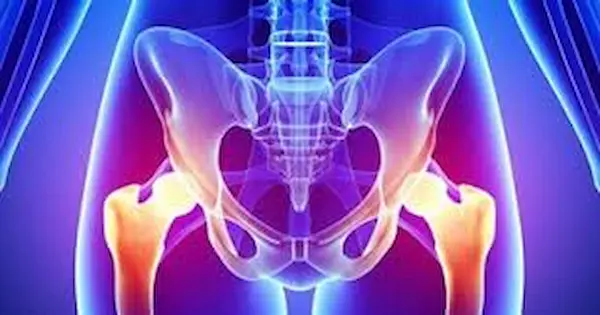
Pelvic Inflammatory Disease (PID) is a bacterial infection that affects the upper female reproductive organs such as the uterus, fallopian tubes, and ovaries.
This disease may lead to inflammation and chronic pain in the pelvis, menstrual disorders, difficulty conceiving, and in advanced cases it may cause blockage of the fallopian tubes or infertility if it is not treated early.
Causes of pelvic inflammatory disease
Every disease has a root behind its appearance, and understanding these roots helps us prevent and treat in a timely manner.
-
Common bacterial infections:
Some types of bacteria may move from the vagina to the internal organs as a result of neglecting early treatment for simple gynecological infections.
-
Gynecological medical procedures:
Installing an IUD without committing to sterilization, regular medical follow-up, or some gynecological surgical interventions, such as cleaning the uterus after a miscarriage or childbirth.
-
Pregnancy, childbirth and miscarriage:
In the period after childbirth and miscarriage, women are more vulnerable to bacteria entering the reproductive system as a result of weak immunity or neglect of medical care.
-
Improper personal hygiene practices:
Excessive use of chemical vaginal washes or popular non-medical mixtures, which leads to weakening the natural balance of beneficial bacteria.
-
Weak immune system:
Many chronic diseases, such as diabetes, anemia, or other immune-compromising conditions, reduce the body's ability to fight infection.
Symptoms of pelvic inflammatory disease
Symptoms vary from one woman to another. The symptoms may be clear and severe in some women, while they may be mild or even silent in others.
- Lower abdominal or pelvic pain: It may be intermittent or continuous, and may increase with movement or marital relations.
- Menstrual disorders: such as unusual bleeding between periods or a heavier than usual menstrual cycle.
- Abnormal vaginal discharge: often abundant or with an unusual odor.
- Pain during marital relations: the result of inflammation of internal tissues.
- Pain or burning during urination: if the infection spreads to the urinary system.
- High temperature and chills: in advanced or severe cases of inflammation.
- Nausea or occasional vomiting: if the inflammation is severe.
- General fatigue and constant exhaustion: the result of the body’s resistance to infection.
Learn about: Physical therapy for the pelvis To restore your muscle strength
Possible complications of pelvic inflammatory disease
Neglecting treatment of pelvic inflammatory disease or delaying diagnosis may lead to serious complications that affect reproductive health and quality of life. The most important of these complications are:
Infertility
When the fallopian tubes become inflamed repeatedly or severely, scarring or blockage may occur that prevents the egg from passing into the uterus.
Studies indicate that one in 10 women with this disease may suffer from infertility if not treated early.
Ectopic Pregnancy
If the fallopian tubes are damaged and no longer functioning normally, the fertilized egg may get stuck in one of them instead of moving to the uterus.
This leads to an ectopic pregnancy, which is a serious condition that may cause life-threatening internal bleeding and requires urgent medical intervention.
Chronic pelvic pain
Even after the infection is over, recurrent infections may leave scars and adhesions in the pelvic area.
Pain increases during the menstrual cycle or during marital relations, which significantly affects a woman’s quality of life.
Abscesses
Accumulation of pus resulting from inflammation may lead to the formation of an abscess in the ovaries or fallopian tubes.
In some cases, it may be treated with antibiotics, while larger or treatment-resistant cases may require surgical intervention.
Spread of infection to the blood (sepsis)
If the disease is not treated in its early stages, the bacteria may spread into the bloodstream, causing an infection known as sepsis.
This condition is considered an emergency, as it threatens the patient's life and requires hospitalization and immediate treatment with intravenous antibiotics.
Book your consultation now at مركز صحة المرأة At Al Mousa Specialist Hospital.
Methods of diagnosing pelvic inflammatory disease
Diagnosis is a challenge for clinicians;
-
التاريخ المرضي والفحص السريري
The doctor asks the patient about symptoms such as pain in the lower abdomen, abnormal secretions, or fever.
A gynecological examination is performed to confirm the presence of pain when moving the cervix or when pressing on the uterus and ovaries.
-
Laboratory tests
A vaginal swab or Pap smear is used to detect causative bacteria such as gonorrhea and chlamydia.
Blood tests are also performed to measure indicators of inflammation such as a high white blood cell count or CRP protein.
In addition, the doctor may order a urinalysis to rule out urinary tract infections that may have similar symptoms.
Sometimes sexually transmitted disease tests (STls Tests) may be ordered to detect diseases directly related to pelvic inflammatory disease.
-
Imaging examinations
Ultrasound: used to detect infections in the fallopian tubes or the presence of abscesses.
Magnetic resonance imaging (MRI): It may be used in complex cases for greater accuracy.
-
Laparoscopy
It is considered the most accurate way to diagnose the disease, as a thin tube equipped with a camera is inserted through a small opening in the abdomen to view and examine the internal reproductive organs directly.
It is often used in unclear cases or when serious complications are suspected.
Treatment of pelvic inflammatory disease
Treatment for pelvic inflammatory disease aims to control the infection, relieve symptoms, and prevent complications such as infertility or ectopic pregnancy.
-
Antibiotic drug therapy
Antibiotics are not given randomly. Rather, it is better for the doctor to request a bacterial culture and an antibiotic sensitivity test to determine the appropriate medication for the type of bacteria causing.
In mild or moderate cases, treatment is given orally or by injection for a period determined by the doctor, with careful monitoring of the response.
In severe cases, the patient may need to stay in the hospital to receive intravenous antibiotics under medical supervision.
-
Surgical intervention
Surgery is only used if complications of the disease appear, for example:
- The formation of an abscess in the ovaries or fallopian tubes that does not respond to drug treatment.
- The presence of severe adhesions that hinder pregnancy or cause chronic pain.
The intervention may be laparoscopic to remove the abscess or loosen the adhesions, or open surgery in very complex cases.
-
Supportive treatment
It includes rest, drinking sufficient amounts of fluids, using pain relievers when needed, and periodic follow-up with the doctor to ensure the condition improves.
Learn about: A comprehensive guide to the Pelvic Muscle Rehabilitation Center
Preventing pelvic inflammatory disease
Disease prevention is not limited to protecting women from infection only, but also extends to avoiding serious complications that may affect fertility and public health.
-
Regular medical follow-up
See a doctor if any abnormal symptoms appear (such as unusual secretions, pain in the lower abdomen, or menstrual disorders).
Treat any gynecological or bacterial infections early before they develop and reach the pelvis.
-
Adherence to the doctor’s instructions after medical procedures
After childbirth, abortion, or any gynecological procedure, you must adhere to the doctor’s instructions to prevent infection.
-
Personal hygiene care
Pay attention to personal hygiene, avoiding the use of excessive vaginal douches, which may upset the balance of natural bacteria and increase susceptibility to infection.
-
Health education
Raising the level of awareness among women and girls about the methods of infection and the importance of early examination and medical follow-up.
The relationship between pelvic inflammatory disease and infertility
The relationship between them is very close, as this disease is considered one of the most prominent causes of difficulty in conceiving in women.
When the infection spreads to the uterus, fallopian tubes, and ovaries, the following may occur:
-
Damage to the fallopian tubes
Chronic infection may cause narrowing or blockage of the ducts, preventing the egg from meeting with the sperm.
-
Formation of adhesions
Repeated infections lead to adhesions in the internal reproductive organs, which hinder the movement of the egg and prevent it from reaching the uterus.
-
Increased risk of ectopic pregnancy
Even if fertilization occurs, damage to the ducts may prevent the fertilized egg from reaching the uterus, increasing the possibility of an ectopic pregnancy.
-
Effect on the uterine lining
Repeated infections may weaken the uterine lining and make it less susceptible to implantation.
Frequently asked questions
Can pelvic inflammatory disease be cured?
Yes, pelvic inflammatory disease can be cured if it is diagnosed early and appropriate treatment with antibiotics and medical follow-up is started, but delaying treatment may cause permanent complications such as infertility or adhesions.
How do I know if I have a pelvic problem?
Persistent lower abdominal pain, abnormal secretions, feeling pain during intercourse or urination, in addition to irregular menstruation may indicate a problem in the pelvis that requires seeing a doctor.
Does pelvic inflammatory disease appear on ultrasound?
Yes, ultrasound can help detect some signs of pelvic inflammatory disease, such as the presence of an abscess or abnormal fluids, but it is not sufficient alone for diagnosis and is used in conjunction with a clinical examination and tests.
In conclusion, pelvic inflammatory disease is a health problem that requires awareness and early diagnosis to avoid its serious complications on fertility and public health.
Sources
MSD Manuals – Pelvic Inflammatory Disease
CDC– Pelvic Inflammatory Disease