
Skin allergies are a common and annoying condition that affects a large number of people. It may sometimes be difficult to determine the source of this allergy and then treat it effectively. However, there are a number of known causes that may lead to the appearance of skin allergy symptoms, including dry skin, eczema, and contact dermatitis. The Al Mousa Health Hospital team aims to clarify the different types of skin allergies and ways to treat them effectively by specialized dermatologists.
What is allergy?
Skin allergies are considered a common problem that a large number of people suffer from, which may occur as a result of an unusual response from the skin when exposed to a certain substance. Symptoms vary from simple redness and itching to swelling or even goosebumps. This condition is one of the most common skin problems that affects the lives of individuals, as it causes irritation, redness, and itching of the skin.
Types of allergies
It is worth noting that there are multiple types of allergies, and below we mention the most important of them, explaining ways to deal with them in an effective way, as follows:
Allergic dermatitis
Allergic dermatitis is one of the most common types of skin allergies. This type appears as a result of the skin’s reaction to a substance that causes irritation, for example, some chemicals, perfumes, or herbs. This reaction often leads to the appearance of a skin rash, itching, and swelling. To reduce the effect of this type, it is recommended to stay away from allergy-inducing substances and use appropriate and gentle moisturizers on the skin.
Airborne contact dermatitis
In some cases, it is possible for contact dermatitis to be transmitted from one person to another through direct contact or even by inhaling particles dispersed in the air. This type leads to redness of the skin, a rash, and annoying itching. In order to avoid infection or transmission of infection, it is advisable to stay away from infected people and avoid exposure to irritating factors.
الشرى
In a related context regarding knowing the symptoms of allergies, we find that: الشرى It is one of the common skin diseases. It appears in the form of small red bumps or pimples accompanied by itching. The reason for this may be an allergic reaction to a specific substance or the result of genetic factors. It is possible to control the symptoms of urticaria by using topical ointments that reduce itching and redness, in addition to avoiding triggers such as certain foods or substances.
الوذمة الوعائية
Angioedema is considered a severe type of skin allergy as it leads to rapid swelling in certain areas of the skin, and is often in response to a rapid sensitivity to a specific substance. If this condition appears, it is necessary to obtain immediate medical care, as it can be an indication of a severe allergic reaction that may lead to serious complications.
What are the symptoms of allergies?
Symptoms of allergies vary depending on their type and vary from one individual to another. They may affect the respiratory system, or affect the sinuses and airways, and may also appear on the skin or affect the digestive system. Most of the time, the allergic response is annoying and causes some distress, but its symptoms are often mild. However, severe cases of allergy may cause serious reactions, as they may extend to affect several systems and organs within the body. Below we mention the most important. Types of allergies Its most important symptoms are as follows:
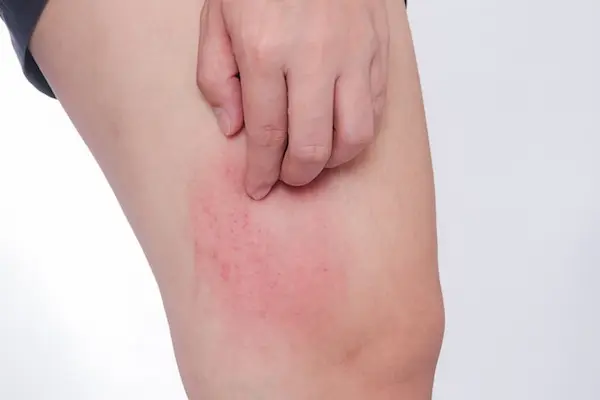
- Skin rash: This is a common allergy symptom and usually appears in the form of red spots or small blisters and is often accompanied by noticeable itching.
- Itching: A common symptom that affects the affected areas and may worsen the situation if the scratching continues.
- Swelling: Occurs when the skin reacts to an inappropriate substance, resulting in noticeable and sometimes painful swelling.
- Skin cracks: In addition, they appear in dry areas and may be accompanied by pain or slight bleeding.
- Skin irritation: Redness or minor inflammation that occurs as a result of factors such as exposure to chemicals or radiation The sun.
Methods of diagnosing allergies
Due to the spread of skin allergies, diagnosing them in an accurate manner is necessary to identify and avoid the causes. Diagnostic methods vary as shown in the following paragraphs:
- Skin Prick Test: Drops of questionable substances are placed on the skin and the skin is then gently pricked. The appearance of allergy symptoms such as itching or redness indicates an allergy to the substance.
- Patch Test: It is used to detect delayed allergy to substances such as cosmetics. The substance is placed on a patch and stuck to the skin for 48–72 hours to monitor the reaction.
- Food tolerance test (Food Challenge): It is used to diagnose food allergies, where the person is given small amounts of the food that is likely to cause the allergy and is observed for several hours.
- IgG delayed allergy test: It is done through a blood analysis to detect high levels of IgG antibodies, which indicates the presence of a delayed allergy to some types of foods.
يمكنك قراءة كيف يُجرى اختبار الحساسية؟ وما الفرق بينه وبين فحص الحساسية للمضاد الحيوي؟
Allergy treatment
After we learned together about the symptoms of allergies, we will now present to you the treatment for this disease, as many people suffer from annoying allergy symptoms that affect daily life. Below we mention some effective ways to deal with them:
- Avoid triggers: It is necessary to identify and avoid allergens as much as possible, such as some detergents or cosmetics.
- Use moisturizers: They help strengthen the skin barrier and protect it from irritation, especially moisturizers that are free of perfumes and harsh ingredients.
- Choose gentle products: You should avoid products that contain alcohol, parabens, or dyes and use what is suitable for sensitive skin.
- Treatment with medications: In some cases, it is recommended to use antihistamines or cortisone under medical supervision to relieve symptoms.
- تجنب المؤثرات الخارجية: مثل التغيرات الحادة في درجات الحرارة أو البيئات المليئة بالغبار إلى جانب إدارة التوتر النفسي.
Allergic complications
If allergies are not treated well, they may lead to other health complications, including the following:
- Anaphylactic shock: It is a severe and dangerous reaction that may be life-threatening and occurs as a result of the body being exposed to a strong allergen.
- Multiple types of allergies: People with one type of allergy may develop other types over time.
- Asthma: It is considered a condition associated with allergies, and may lead to worsening of symptoms.
- Skin and immune diseases: such as eczema, sinusitis, ear or lung infections.
- Fungal infections: People with chronic allergies are more likely to develop a fungal sinus infection.
Book your consultation now at مركز الجلدية والتجميل At Al Mousa Specialist Hospital
Frequently asked questions
How can I know the type of allergy?
This is done using a skin prick test, where drops of the allergen are placed on the skin and pricked with a small needle. If a skin reaction occurs within 15 minutes, this indicates an allergy to that substance.
Why do allergies appear suddenly?
This occurs because the immune system reacts to a new substance that has entered the body. These substances are known as allergens, such as dust, animal dander, or certain types of food or medications.
At the end of the article, we have learned about the symptoms of allergies, as skin allergy is an immune response that causes various infections and irritations. Dermatologists at Al Mousa Health Hospital provide advanced solutions to treat these conditions by conducting accurate examinations to determine the cause and providing effective treatment according to the highest standards.
Sources
Allergies – clevelandclinic
Allergies – nhs
