
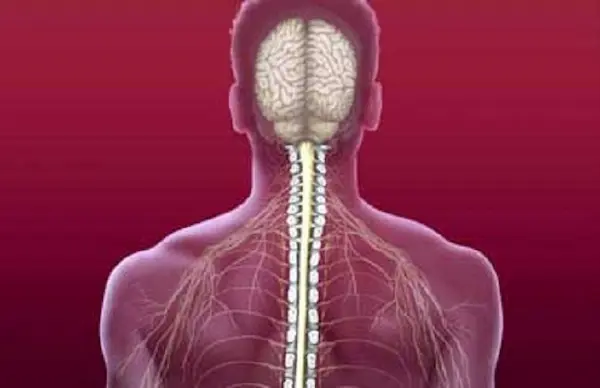
Did you know that the spinal cord is a highway that connects the brain to the rest of the body?
What are spinal cord injuries?
Spinal cord injuries are a medical condition that means damage to the spinal cord, which is an essential part of the nervous system responsible for transmitting signals between the brain and the body. The injury may lead to several health problems such as loss of movement, or complete or partial loss of sensation, and it may be temporary or permanent depending on the type and severity of the injury.
Causes of spinal cord injuries
The causes of spinal cord injuries vary depending on the person’s circumstances and the nature of his work, but in general they include the following:
- Traffic accidents are one of the most common causes, especially motorcycle accidents.
- Some forms of violence, such as fights, affect the spine.
- Some pathological conditions such as tumors or herniated disc.
- Sports injuries such as diving or wrestling.
- Dangerous activities such as climbing without safety equipment.
- Accidents falling from a high place.
يمكنك قراءة What are the most important functions of the musculoskeletal system?
Risk factors for spinal cord injuries
Aging is one of the most important risk factors for spinal cord injuries because they are more vulnerable to falling and fracturing the vertebra. Also, those who do not adhere to safety precautions while driving or working in high places become at risk of spinal cord injury.
Symptoms of spinal cord injury
Symptoms of spinal cord injury range from sensory, motor, and automatic or involuntary, and include:
- Numbness or tingling feeling.
- Severe neck and back pain.
- Loss of sensation to touch, pain, or temperature.
- Great difficulty moving, leading to complete loss of movement.
- Weakness or paralysis of the limbs, which can be quadriplegia or hemiplegia depending on the location of the injury.
- Involuntary symptoms such as difficulty breathing, loss of bladder control and changes in sexual function.
- Symptoms may appear in some people, such as low blood pressure, rapid or slow heartbeat, and muscle contractions.
يمكنك التعرف على What is the importance of orthopedic surgery?
Treatment of spinal cord injuries
Treating spinal cord injuries requires great precision and speed so as not to affect movement and basic body functions. Treatment is divided into 3 stages:
First: immediate treatment
Immediate treatment begins with quickly stabilizing the neck or spine using a stabilizing board while avoiding moving the patient, then is followed by emergency intervention to control blood pressure, breathing, and body temperature. The third option in the case of a fracture compressing the spinal cord is surgical intervention to stabilize the vertebrae and relieve pressure on the spinal cord.
Second: Rehabilitation treatment
Rehabilitation therapy is considered a long-term treatment because it helps the patient perform the functions that were affected by the injury. It includes physical therapy that focuses on strengthening the muscles and improving the flexibility of the body, while preventing joint stiffness. As for occupational therapy, it includes helping the patient cope with his daily activities using a wheelchair and some other tools.
He works Spinal Cord Injury Center At Al Mousa Specialist Hospital To support patients with spinal cord injury by stimulating the body to restore some of the functions that were weakened by the injury, the center has achieved very high success rates with many cases because it relies on advanced techniques and means at the hands of experts and specialists in rehabilitation therapy. Book your consultation now.
Third: Psychological support for the patient
Spinal cord patients usually suffer from bad psychological conditions after losing the ability to perform daily and normal activities, which requires great psychological support from specialists. Therefore, we recommend the Rafah Center affiliated with Al Mousa Specialist Hospital, which includes an elite group of the best doctors and psychologists to provide psychological sessions such as cognitive behavioral therapy and group therapy for spinal cord injury patients, which helps them cope with the injury and try to overcome it.
Complications of spinal cord injuries
The patient may be exposed to complications of spinal cord injuries if treatment is neglected, or an appropriate treatment is not chosen for the condition. The most prominent of these complications are:
- Respiratory problems: These include difficulty breathing with coughing, respiratory infections and pneumonia.
- Nervous system problems: A spinal cord patient may experience permanent hemiplegia or quadriplegia, with muscle spasms and chronic pain due to nerve damage.
- Urinary and reproductive problems: These include urinary incontinence, recurrent urinary tract infections, and weakness or loss of sexual functions.
- Digestive system problems: such as chronic constipation or fecal incontinence.
- Psychological complications: such as depression and anxiety, with social isolation due to lifestyle changes and the inability to coexist with the disease.
- Skin problems: exposure to bed sores due to lack of movement and constant lying in bed.
- Circulatory complications: The patient may experience blood clots in the legs or lungs, with poor regulation of body temperature and blood pressure.
How to prevent spinal cord injury?
The specialist doctors at Al Mousa Specialist Hospital provide you with the most important tips to help you prevent spinal cord injury, including:
- Safe driving: This includes wearing a seat belt while driving, avoiding crazy speeds, not using the phone while driving, and placing children in the seats designated for them.
- Avoid dangerous sports: In the case of practicing sports such as diving or wrestling, you must wear protective and safety equipment, and train well before practicing any violent sports.
- Awareness of safety means in the workplace: such as working at heights, workers must be trained in first aid and dealing with any injury in a correct manner, in addition to adhering to safety procedures while performing the work.
- Preventing falls: This is done by installing anti-slip tools, especially for the elderly, maintaining good lighting at home, wearing appropriate shoes and avoiding slippery floors.
Whatever you are looking for in terms of treatment for spinal cord injuries, whether rehabilitation, psychological, or surgical treatment, you will find it at Al Mousa Specialist Hospital. There is a specialized center for physical therapy and rehabilitation, and a Rafah Center for psychological treatment for spinal cord patients, in addition to an elite group of the most skilled specialist doctors, which guarantees you integrated health care of the highest quality.
Frequently asked questions
Below we answer the most important questions asked by our followers about spinal cord injury and the success rate of treatment:
Will a spinal cord patient recover?
Yes, a spinal cord patient can achieve good results after treatment in the case of an incomplete injury with good rehabilitation treatment, but in cases of a complete injury, the chances of recovery are less due to the complete loss of movement.
What are the symptoms of a spinal cord rupture?
The most prominent symptoms of a spinal cord rupture include loss of feeling or sensation of pain, or even touch, inability to move the limbs, paralysis of the arms or legs, and muscle spasms or involuntary contractions.
What happens if the spinal cord is damaged?
If the spinal cord is damaged, there will be a major disruption in the transmission of signals between the brain and the body, leading to loss of movement and sensation, with a cessation of some body functions, which negatively affects the patient psychologically due to these changes.
Sources..
Spinal Cord Injury -clevelandclinic
Cause and Symptoms of Spinal cord Injury – who.int
