
Are you having problems conceiving because your uterine lining is thin?
The uterine lining changes due to the hormones estrogen and progesterone and increases in thickness, in order to receive the fetus, implant it, and nourish it throughout the pregnancy.
But if this tissue becomes thin, it will lead to many problems related to fertility and pregnancy.
So if you want to know more information about what causes the uterine lining to become thin, follow this article.
What does it mean that the uterine lining is thin?
Thin endometriosis is a symptom of an underlying health problem, a condition in which the tissue is thinner than normal and less than 7 mm thick.
Thin uterine lining may cause the following:
- Lack of blood flow.
- Implantation failure.
- الإجهاض المبكر.
- Deficiency in placenta formation.
- Intrauterine growth retardation.
Therefore, the thickness of the endometrium (the inner layer of the uterus that is secreted every month during the menstrual cycle) must be about seven to eight millimeters, in order for the embryo to implant successfully.
The thickness of this lining varies throughout the menstrual cycle. It may be thin during the early follicular phase, then thicken during the late follicular phase, in preparation for the possible implantation of the fertilized egg.
In addition, the uterine lining may play an essential role in:
- Protection of the fetus.
- Feed it.
- Excretion of menstrual fluid.
Read also: How do I know that I have a uterine ulcer?؟
Symptoms of thin uterine lining
There are many symptoms that indicate that you are suffering from thin uterine lining, and you should pay attention to them, such as:
- Pain in menstruation.
- Irregular or light menstrual cycle, which is one of the first signs of a defect in the uterine lining.
- Infertility, which is one of the most prominent symptoms of a thin uterine lining, due to the inability to support pregnancy properly.
- Lack of bleeding during menstruation.
- Recurrent miscarriage.
But there are many cases who do not show any symptoms of this problem.
What are the causes of thin uterine lining?
There are many reasons that contribute to the uterine lining being thin, such as:
-
Hormonal imbalance:
Fluctuations in estrogen and progesterone levels may affect the thickness of the uterine lining.
- Stress.
- An unhealthy diet.
- بعض الأدوية.
Polycystic ovary syndrome is also the most common cause of thinning of the uterine lining, affecting 10% of women of reproductive age.
It is characterized by high levels of androgens (male hormones), which may affect ovulation and the growth of a healthy uterine lining.
-
the age:
Age is an important factor in the occurrence of this health problem, as as women age the following occurs: –
- The amount of estrogen produced by the ovaries naturally decreases.
- Poor egg quality.
- The elasticity of the blood vessels in the uterine lining decreases.
-
Poor blood flow:
The thickness of the lining depends on the amount of blood that flows into it each month.
Poor blood flow results from many factors, such as:
- التدخين.
- السمنة.
- داء السكري.
- High blood pressure.
- Pills.
-
Previous surgeries:
Previous surgeries may lead to this health problem, including:
- Uterine enlargement.
- Uterine curettage.
-
Autoimmune diseases:
Autoimmune diseases occur when your immune system attacks your healthy tissues, such as:
- Lupus.
- Rheumatoid arthritis.
- Celiac disease.
- Crohn's disease.
Autoimmune diseases may cause inflammation and damage to the uterine lining, leading to thinning.
-
undernourishment:
Not eating enough food leads to atrophy of the uterine muscles, decreased contractility and thinning.
-
Infection:
Infections, such as sexually transmitted diseases or uterine infections, may cause this health problem.
Book your consultation now at مركز صحة المرأة At Al Mousa Specialist Hospital.
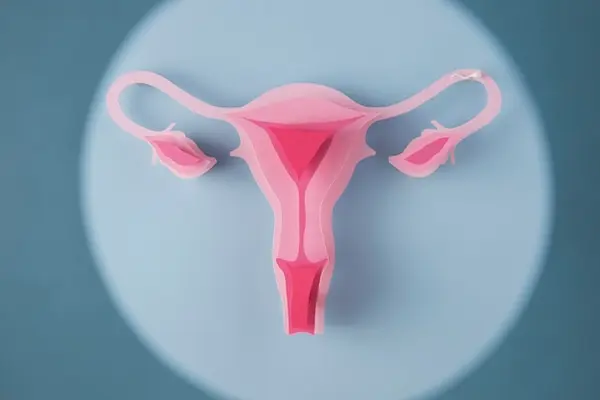
Can you get pregnant with a thin uterine lining?
Yes, it is possible for pregnancy to occur with a thin lining, even if its thickness is 6 millimeters, but the chance of successful implantation and maintaining the pregnancy may be greatly reduced, due to the lack of sufficient support for the fetus.
Therefore, the lining must be thick and full of blood vessels, in order to contribute to supporting the fetus, nourishing it, and leading to a healthy pregnancy.
How can thin endometriosis be diagnosed?
Your doctor may advise you to undergo the following procedures to diagnose a thin uterine lining, including:
1. Transvaginal ultrasound:
It is the most common diagnostic tool for measuring uterine thickness.
2.3D and 4D hysterosalpingography:
This procedure is used;
3.Hysteroscopy:
The doctor inserts a thin, lighted tube through the cervix to see the inside of the uterus and evaluate its lining.
Sometimes your doctor may recommend that you undergo a fallopian tube imaging procedure.
Methods of treating thin uterine lining
If you're trying to get pregnant and your uterine lining is thin, proper treatment and lifestyle changes can help you increase your chances of getting pregnant and having a healthy pregnancy.
Treatment methods include the following:
-
Estrogen therapy:
Estrogen therapy may help you:
- Increased density of the uterine lining.
- Development of blood vessels within the endothelium.
This treatment is available in the form of a patch, gel applied to the skin, or oral supplements.
-
Platelet rich plasma:
Platelet-rich plasma (PRP) injections are a new and promising treatment option.
- Platelets at 4 to 5 times the normal rate.
- Growth factors.
This plasma is injected directly into the uterus, to help promote the growth and thickness of the uterine lining, and it provides the following:
- Side effects are minimal.
- There is no risk of an allergic reaction or resistance to treatment.
-
Hysteroscopy:
The doctor inserts a thin tube with a camera into the uterus through the vagina, in order to contribute to the following:
- Looking inside the uterine cavity, assessing the condition of the lining.
- Removing existing scar tissue, or any adhesions inside the uterus.
- Identify signs of endothelial inflammation.
- Removal of small fibroids.
-
Endometrial curettage:
It is a simple procedure in which the thin lining is gently scraped away using a small sterile plastic tube, to stimulate growth. Artificial insemination With that procedure.
The results of some studies have also shown that this procedure contributes to increasing the chances of pregnancy.
-
Nutritional supplements:
Taking certain nutritional supplements, such as vitamin E and L-arginine, may contribute to the growth of the uterine lining and increase blood flow to the pelvis.
-
Lifestyle change:
The results of studies have shown that following a healthy, balanced diet may positively affect the health of the uterus, as it helps increase blood flow to the uterus and reproductive organs.
Therefore, you should eat foods rich in iron, such as:
- Beets.
- Spinach.
- Beans.
- Pumpkin seeds.
You should also eat foods that contribute to enhancing iron absorption, such as:
- strawberry.
- Tomatoes.
- Green pepper.
Also learn about: Cervical ulcer form And signs of recovery from it
Tips to improve endometrial health
The doctor may advise you on some instructions that you must adhere to in order to improve the health of the uterus, including the following:
- Get enough rest.
- Monitor your menstrual cycle.
- Pay attention to your diet, and eat plenty of vegetables, fruits and whole grains.
- Avoid processed foods and foods high in saturated fats.
- Doing exercise to improve blood circulation.
- Quit smoking.
- Reduce stress.
How does a thin uterine lining affect pregnancy?
A thin lining may affect fertility by:
- Lack of the necessary strength to stabilize the fertile egg, which leads to problems with implantation.
- Causes early miscarriage.
- Difficulty maintaining pregnancy.
- It causes a deficiency in the formation of the placenta, and therefore leads to intrauterine growth retardation.
- It may lead to an ectopic pregnancy.
Frequently asked questions about thin uterine lining
If you want to get pregnant, but your uterine lining is thin, you may have many questions, such as:
How do I increase the thickness of the uterine lining?
You can increase the thickness of the thin lining by:
- Hormone therapy, by taking estrogen and progesterone supplements.
- Platelet-rich plasma injections that are injected directly into the uterus.
- Hysteroscopy.
- Endometrial scraping.
- Take nutritional supplements, such as vitamin E and L-arginine.
- Changing lifestyle, by paying attention to diet and exercising.
What vitamin strengthens the uterine lining?
The results of studies showed that taking vitamin E supplements in low doses for 12 weeks led to an increase in the thickness of the delicate lining, because it contributed to the following:
- Increase blood flow to the pelvis.
- Regulating hormone levels.
These are the two basic factors for the healthy growth of the lining.
Does folic acid strengthen the uterine lining?
Folic acid does not contribute to strengthening the delicate lining, but it improves the quality of the egg and helps it grow and implant in the uterus.
In conclusion, you now realize, dear woman, what are the reasons that make the uterine lining thin?
You also learned about ways to treat this health problem, and we answered some questions that may be on your mind about the thin lining.
Therefore, if you want to treat this health problem, you must go to Al Mousa Specialist Hospital, as it provides the latest devices used in diagnosing thin lining, and the most skilled doctors who will help you determine the appropriate treatment for your condition.
Sources
The Silent Symptom: What Causes Thin Endometrium and How Is It Treated? – aveya
Thin Endometrium: Causes, Symptoms and Treatment – artfertilityclinics
