
Atherosclerosis is one of the most prominent chronic diseases facing humans in the modern era, as it affects the arteries of the heart and all vital organs in the body.
Out of the keenness of the cardiovascular team at Almoosa Hospitals to educate patients and the community about the symptoms of this disease and ways to prevent it;
What is atherosclerosis?
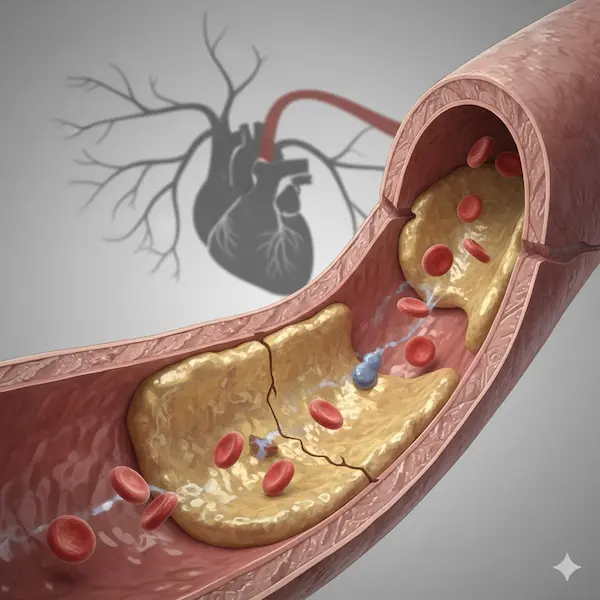
Atherosclerosis (atherosclerosis) is a gradual buildup of cholesterol and fats (plaques) on the inner lining of the arteries.
Plaques also consist of calcium and dead cells, which increases the stiffness of the artery and its susceptibility to breakage or rupture;
Causes and factors contributing to the occurrence of atherosclerosis
The disease often begins with damage to the inner lining of the artery (the first layer) due to various factors, allowing fat and cholesterol to leak into the artery wall. The most important risk factors that increase the risk of developing atherosclerosis are:
- High bad cholesterol (LDL):
The accumulation of high levels of cholesterol in the blood leads to the deposition of fats on the walls of the arteries.
- High blood pressure:
Chronic vascular pressure causes weakness and damage to the artery wall, which accelerates plaque formation.
- diabetes:
High blood sugar levels damage blood vessels and increase the deposition of fatty substances.
- Smoking and tobacco use:
Toxins resulting from smoking weaken the artery wall and accelerate the process of hardening.
- Obesity and lack of physical activity:
Being overweight and sedentary increases the risk of high cholesterol and blood pressure, and thus the risk of arteriosclerosis.
- Unhealthy diet:
Excessive intake of saturated fats, sugars, and salt is an important risk factor, because it raises the level of harmful fats in the blood.
- Genetic factors and age:
Advanced age and family history of heart disease are factors that increase the risk even when controlling for other factors.
Read also: Treatment of blockage of the heart arteries...types, symptoms and life changes
What are the symptoms of atherosclerosis?
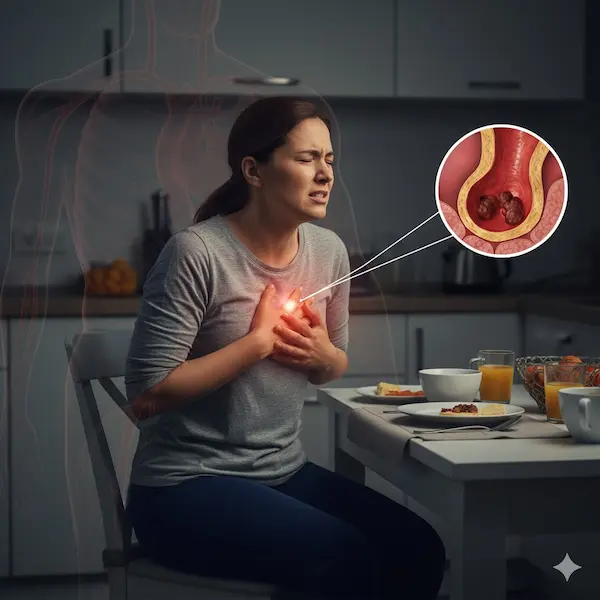
Atherosclerosis is sometimes called the “silent disease” because its symptoms do not appear at first, and a doctor may discover it only when the condition worsens. Examples of symptoms that a patient may experience include:
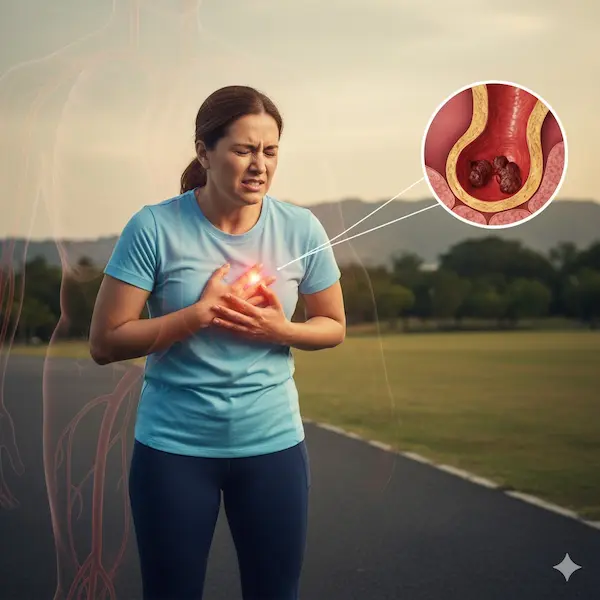
- Angina (chest pain):
The patient feels heaviness or pain in the chest when exerting himself or under stress, and this may be accompanied by shortness of breath.
- Symptoms in the extremities (peripheral artery disease):
Pain or cramping in the legs or arms, especially while walking or running, and this may be accompanied by coldness or numbness in the extremities.
- Brain symptoms (stroke or pre-stroke):
Sudden severe headache, dizziness or light-headedness, and numbness or lethargy on one side of the body or face.
- Kidney symptoms:
It is usually limited to high blood pressure, which is noticeably difficult to control, and may result in swelling and swelling in the body or a feeling of general fatigue.
Tools for diagnosing atherosclerosis
The advanced cardiology department provides Almoosa HospitalsAdvanced imaging devices help detect narrowing areas and accurately assess their severity. There are several other tests to confirm the diagnosis, including:
- Electrocardiogram:
It records the electrical activity of the heart and can detect damage resulting from a heart attack or excessive pressure on the heart muscle.
- Echocardiography:
Ultrasound images of the heart's chambers and valves, assessing how well the heart is pumping and where blood is lacking.
- Sports stress test:
It measures your heart's performance during exercise, and may be done on a treadmill or bike.
- Radiography of angiograms (diagnostic catheterization):
A special dye is injected into the coronary artery or peripheral arteries, and an X-ray machine is used to accurately depict the narrowing sites.
- Computed tomography of the arteries:
It is used to measure the amount of calcium deposits (calcific plaque index) in the coronary arteries, which helps in early detection of atherosclerosis.
- Ultrasound of the carotid artery:
It helps evaluate the speed of blood flow through the main neck arteries that supply the brain.
- Ankle-humerus index test:
The blood pressure at the ankle is compared with the blood pressure in the arm to detect narrowing of the arteries in the leg.
Read also: What are the symptoms of heart disease?
What are the complications of atherosclerosis?
If the patient does not undergo appropriate treatment and control of risk factors, plaque deposits may lead to serious complications; Common complications include:
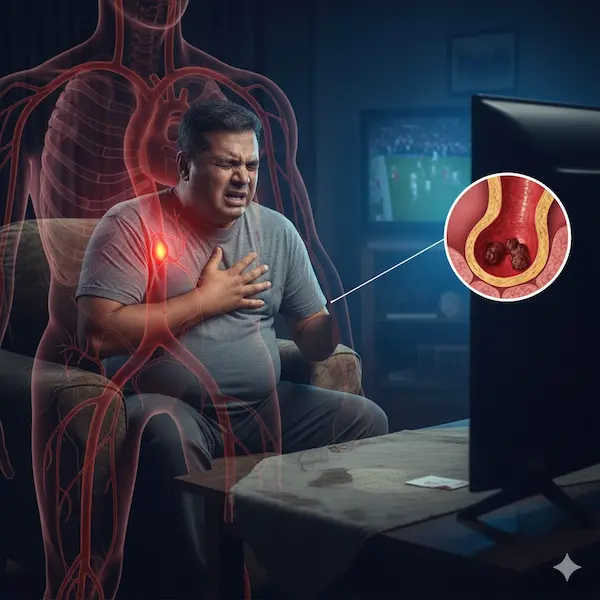
- Heart attack (myocardial infarction):
It occurs when a coronary artery that supplies the entire heart becomes blocked, causing part of the heart muscle to die and lose its function.
- stroke:
A blocked artery in the brain may reduce the supply of oxygen to the brain, causing sudden damage to brain cells with symptoms such as hemiplegia or difficulty speaking and seeing.
- Aneurysm:
Plaque buildup can weaken the artery wall over time, causing it to swell and form a cyst-like aneurysm. This aneurysm may suddenly burst, causing severe internal bleeding.
- Peripheral artery disease:
Lack of blood flow to the extremities may result in pain in the legs or arms when walking or exerting effort. Skin ulcers may develop, and in advanced cases it may lead to amputation.
- Chronic kidney failure:
Renal artery stenosis causes persistent high blood pressure and may lead to impairment and partial loss of kidney function.
- Other heart complications:
Such as congestive heart failure, which occurs when the heart cannot pump blood adequately, and heart rhythm disturbances resulting from ischemia.
What is the treatment for atherosclerosis?
Treatment of atherosclerosis depends on the severity of the patient's health condition and associated risk factors. Generally, treatment includes three main pillars:
Drug treatment:
It aims to control factors contributing to sclerosis. The most prominent medications used are:
- Cholesterol reducersل (such as statins and PCSK9 inhibitors):
These medications help significantly lower the level of harmful cholesterol in the blood, thus reducing the growth of plaques.
- Blood pressure medications:
Doctors prescribe medications such as beta blockers, ACE inhibitors, and others to control high blood pressure, which reduces pressure on the vessel wall.
- Anticoagulant and blood thinning medications:
Such as low-dose aspirin or other medications to reduce platelet aggregation, thus preventing the formation of sudden clots.
- Diabetes treatment:
If diabetes is present, blood sugar-regulating medications (such as metformin) are given to maintain healthy levels and prevent vessel damage.
- أOther medicine:
The doctor may prescribe additional medications such as nitrates to dilate the arteries and relieve temporary angina pain.
Surgical and interventional procedures:
In cases where the artery becomes severely blocked, The need for intervention to widen the blood vessel may be:
- Expansion of the artery with stents (interventional catheter):
A thin tube is inserted into the narrowed artery, then a small balloon is inflated and a stent is installed to keep it open.
- Heart bypass surgery (Bypass):
In the case of large and multiple blockages, the surgeon bypasses the narrowed portion by using another artery or vein as an alternative passageway that delivers blood to the muscle.
- Other advanced procedures:
Such as removing the plaque (Atherectomy) or using a balloon with blades to smash the plaques from the artery wall.
Lifestyle modification:
A radical change in healthy habits represents an important pillar in prevention and treatment:
- Follow a balanced and healthy diet Rich in vegetables, fruits and whole grains, and low in saturated fats, salt and sugars.
- Do exercise regularly (such as walking or swimming for at least 30 minutes a day).
- Maintain a healthy weight And avoid obesity.
- Completely quit smoking Avoid passive smoking.
- Reducing psychological stress Through relaxation techniques and adequate sleep.
- Avoid alcohol: Reduce drinking alcoholic beverages, which may negatively affect the health of the heart and arteries.
- Eat healthy fats: Such as fatty fish and vegetable oils (such as olive oil), which contain beneficial fatty acids that promote the health of blood vessels.
Recent advances in understanding the disease and its treatment
Medical research is constantly advancing in the field of vascular diseases. In recent years, we have witnessed several new discoveries regarding atherosclerosis:
- Modern drugs to lower cholesterol:
Advanced medications such as injectable PCSK9 inhibitors have emerged that significantly reduce LDL cholesterol levels.
- Targeting inflammation:
Scientists have realized that chronic inflammation in the arteries plays an important role in plaque growth.
- Gene therapy and nanotechnologies:
Gene editing experiments have been developed in the laboratory to change genes related to cholesterol through modern technologies such as CRISPR, in addition to studying the use of nanoparticles to transport drugs directly to the sites of plaques.
- Early imaging and risk prediction:
Hospitals today use advanced imaging techniques (such as CT measurement of arterial calcifications) to detect atherosclerosis before symptoms appear.
- Genetic studies:
Scientists continue to study the specific genetic factors that increase the risk of atherosclerosis. the future For personalized treatments that target each patient's genetic risk factors.
- Future research:
Laboratory experiments have been conducted on new compounds that have proven effective in preventing plaque formation in animals, opening the way for future revolutionary treatments.
Read also: Your guide to understanding and treating abdominal aortic aneurysm
FAQs
The following are the most important questions related to atherosclerosis:
Can atherosclerosis be completely cured and plaques treated?
The disease cannot be completely cured, but its progression can be slowed with drug treatment, control of cholesterol, blood pressure, and blood sugar, while following a healthy lifestyle.
Is atherosclerosis a stroke?
Atherosclerosis is not a clot, but rather a narrowing of the arteries as a result of the accumulation of fat.
Is diet alone sufficient to treat atherosclerosis?
A healthy diet is necessary, but it is not sufficient alone, especially in advanced cases.
Is the disease considered hereditary, and can young people get it?
Genetic factors increase the risk of infection, but smoking, diabetes and obesity may also affect young people, so early prevention is necessary.
Can sclerosis be detected before symptoms appear?
Yes, it can be detected early through regular tests such as ultrasound or measuring arterial calcification before symptoms appear.
What is the role of inflammation in atherosclerosis?
Chronic inflammation accelerates the accumulation of fat in the arteries, and current research is being conducted on anti-inflammatory drugs as an adjuvant treatment.
Conclusion
Atherosclerosis is a disease that can be controlled with awareness, early examination, and following a healthy lifestyle.
For more consultations and specialized cardiac care, you can Communication with Almoosa Hospitals To obtain integrated medical care.