
Autonomic neuropathy is a serious disease that should not be underestimated, as it affects up to 30 to 50% of chronic diabetes patients around the world, especially if blood sugar levels are not well controlled. Here the role of the medical team at Al Mousa Specialist Hospital is highlighted in providing a comprehensive medical guide on the causes and symptoms of the disease, risk factors, with treatment methods available at the Neuroscience Center, so follow along with us to take your first steps towards stronger nerves and better health.
What is autonomic neuropathy?
Autonomic neuropathy is one of the types of peripheral neuropathy, and it affects the autonomic nerves responsible for controlling the body’s automatic vital functions, such as:
- Heart rate and blood pressure.
- Digestion and bowel movement.
- Sweating.
- Regulation of body temperature.
- Bladder and reproductive system function.
Causes of autonomic neuropathy
Having autonomic neuropathy greatly affects the quality of life.
- Diabetes: The most common cause, as chronic high blood sugar levels damage the nerves and blood vessels that supply them.
- Immune diseases: such as lupus, rheumatoid arthritis, or Sjögren's syndrome, where the immune system attacks the nerves.
- Neurodegenerative diseases: such as Parkinson's disease or multiple sclerosis, which affect the autonomic nerves.
- Chronic infection: Some viruses and bacteria, such as HIV, Lyme disease, or syphilis, can cause nerve damage.
- Genetic factors: Genetic syndromes such as hereditary polyneuropathy or Riley-Day syndrome may cause dysfunction of the autonomic nerves.
- Toxins and medications: Exposure to toxins such as heavy metals or certain medications, such as chemotherapy, can lead to neuropathy.
- Trauma or injuries: Injuries to the spinal cord or peripheral nerves may affect the autonomic system.
- Other causes: such as malnutrition, vitamin deficiency, especially vitamin B12, or prolonged alcohol abuse.
- Alcoholism: Excessive drinking of alcohol causes nerve damage;
The most prominent symptoms of autonomic neuropathy
Symptoms of autonomic neuropathy vary depending on which organ or system is affected;
1. Cardiovascular disorders:
- Postural hypotension: dizziness or fainting when standing;
- Rapid or irregular heartbeat.
2. Digestive system problems:
- Constipation or diarrhea, especially at night.
- Feeling full or nauseous after eating;
- Difficulty swallowing.
3. Urinary system disorders:
- Difficulty emptying the bladder or involuntary urination.
- Recurrent urinary tract infections;
4. Dyshidrosis:
- Excessive sweating or lack of sweating, even in hot weather.
- Dry skin.
5. Sexual problems:
- Erectile dysfunction in men.
- Vaginal dryness or poor sexual response in women.
6. Breathing disorders:
- صعوبة في التنفس.
- Sleep apnea.
7. Dysregulation of body temperature:
- Feeling unusually cold or hot.
8. Eye changes:
- Difficulty adapting to lighting, i.e. slow pupil response to light.
The symptoms may be similar to other diseases, so an accurate diagnosis and medical tests are necessary to confirm, and here the role of the Neuroscience Center at Al Mousa Specialist Hospital is highlighted, which provides an elite group of the most skilled doctors to treat various neurological diseases, ensuring complete comfort, accurate diagnosis, and appropriate treatment for your health condition.
Learn about: Treatment of nervous tension The best ways to relieve stress and achieve psychological stability
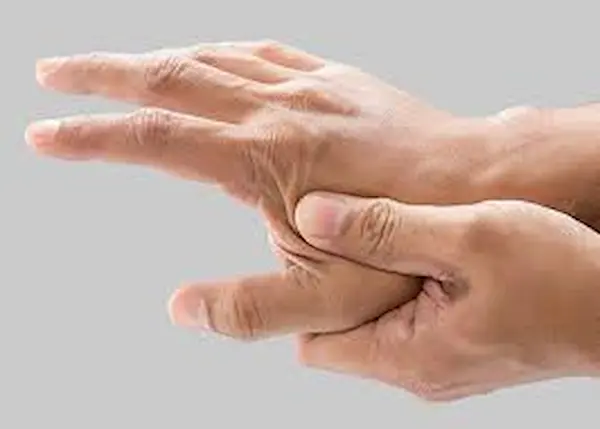
Risk factors associated with autonomic neuropathy
Risk factors associated with autonomic neuropathy include conditions and behaviors that increase the likelihood of developing this disorder, including:
- Diabetes is the most dangerous factor, especially when blood sugar levels are not controlled, or type 1 or 2 diabetes occurs.
- Chronic diseases such as kidney or liver disease, as well as autoimmune diseases such as lupus or Sjögren's syndrome.
- Excessive drinking of alcohol causes nutritional deficiency and directly damages nerves.
- Some medications, such as chemotherapy such as vincristine, or medications to treat high blood pressure, may lead to nerve damage.
- Deficiency of vitamins such as B12, B1, or folate, often due to poor diet or absorption disorders.
- Having a family history of neuropathy, or other genetic diseases such as hereditary neuropathy.
- Exposure to toxins such as heavy metals such as lead or mercury, or industrial chemicals.
- Advanced age, as the elderly are more vulnerable;
- An unhealthy lifestyle, such as smoking, affects blood circulation and increases nerve damage.
- Lack of physical activity causes worsening complications of diabetes and heart disease.
- Spinal cord or peripheral nerve injuries, which may affect the autonomic nervous system.
Diagnosis of autonomic neuropathy
Diagnosing autonomic neuropathy is not easy;
1. Medical history and clinical examination:
- Ask about symptoms, such as dizziness, digestive problems, abnormal sweating, erectile dysfunction, or others.
- Checking blood pressure, heart rate, and nerve reflexes.
2. Heart and blood pressure tests:
- Orthostatic blood pressure test, which is measuring the pressure when lying down and then standing to observe a drop in pressure.
- ECG or Holter to monitor heart rhythm.
- Breathing tests to measure how the heart responds to deep or rapid breathing.
3. Digestive system tests:
- Gastric emptying test to determine how quickly food is digested.
- Endoscopy or x-rays as needed.
4. Sweating and skin function tests:
- QSART is a quantitative sweating reflex test to measure the response of the sweat glands.
- Thermal skin test.
5. Urinary and reproductive system tests:
- Examination of the bladder to measure its ability to retain and empty.
- Blood and hormone tests if there are sexual problems.
6. Blood tests and general examinations:
- HbA1c cumulative blood sugar level.
- Thyroid examination.
- Measuring vitamin B12 level.
short;
Book your consultation now at مركز العلوم العصبیة At Al Mousa Specialist Hospital.
Possible complications of autonomic neuropathy
Autonomic neuropathy not only affects the patient's daily functions;
1. Cardiovascular complications:
- Repeated fainting due to postural hypotension, which leads to falls and injuries.
- Irregular heartbeat may increase the risk of heart attack or stroke.
- Silent heart attacks due to not feeling chest pain;
2. Digestive system complications:
- Malnutrition due to slow stomach emptying, leading to loss of appetite or nutrient deficiencies.
- Chronic constipation or diarrhea, which may cause dehydration, or electrolyte disturbances.
- Repeated vomiting due to food accumulation in the stomach.
3. Urinary tract complications:
- Recurrent urinary tract infections;
- Kidney damage due to urine accumulation or chronic infection, which may lead to kidney failure.
4. Reproductive system complications:
- Sexual dysfunction, such as erectile dysfunction in men or sexual difficulties in women, which may affect quality of life.
- Decreased fertility in some cases;
5. Skin complications:
- Ulcers or injuries due to dry skin or lack of sweating, which increases the risk of infection.
- Mild injuries due to loss of sensation, especially in the extremities.
6. Breathing disorders:
- Sleep apnea stops, which may lead to a lack of oxygen and heart problems.
- Difficulty breathing, especially during physical exertion;
7. Temperature regulation disorders:
- Sunstroke;
- Hypothermia in cold environments;
8. Deteriorating life stability:
- Depression and anxiety due to chronic symptoms, affecting daily activities.
- physical disability;
The difference between autonomic neuropathy and other types of neuropathy
Autonomic neuropathy differs from other types, as it affects the nerves responsible for automatic functions, while other types, such as sensory and motor, focus on sensation and movement in the extremities. Also, the patient may be affected by more than one type at the same time, especially diabetics, and here are the differences in detail.
First: Autonomic neuropathy:
- Affected nerves: Autonomic nerves responsible for automatic vital functions.
- Symptoms: blood pressure disturbances, heart problems, digestive disorders, sweating disorders, bladder problems and sexual functions.
- Effect: It affects internal devices that operate automatically without voluntary intervention.
Second: Sensory neuropathy:
- Affected nerves: nerves responsible for sensation.
- Symptoms: numbness, tingling, loss of sensation of heat or pain, burning nerve pain in the extremities.
- Effect: Increases the risk of injuries or burns without the patient realizing it.
Third: Motor neuropathy:
- Affected nerves: Nerves that control muscle movement.
- Symptoms: muscle weakness, cramps, loss of balance, difficulty walking or moving the limbs.
- Effect: It leads to poor motor performance and possibly muscle atrophy in advanced cases.
Fourth: Mixed neuropathy:
- Affected nerves: a combination of sensory, motor, and sometimes autonomic nerves.
- Symptoms: a combination of numbness and nerve pain with weak movement and difficulty with balance, and may be accompanied by disturbances in the internal organs.
- Effect: More severe because it combines loss of sensation, impaired movement, and sometimes problems with vital organs.
Treatment options available for autonomic neuropathy
In general, there is no definitive treatment that completely cures autonomic neuropathy, but the goal of treatment is to control symptoms, reduce symptoms, while improving quality of life. Accordingly, treatment varies depending on the underlying cause and severity of symptoms, and the available treatment options are as follows.
Treat the underlying cause:
- Controlling diabetes by controlling blood sugar levels;
- Treating thyroid or kidney diseases, or vitamin deficiency if that is the cause.
الأدوية:
- Orthostatic low blood pressure: Medications such as fludrocortisone or midodrine.
- Digestive system disorders: Medications to stimulate stomach motility such as metoclopramide, antidiarrheals or laxatives, depending on the case.
- Bladder problems: Medications that help empty the bladder or reduce overactivity.
- Sexual problems: medications such as sildenafil for men, and topical treatment for women.
- Regulating sweating: anti-perspirant medications, or special nerve treatments.
Improve lifestyle:
- Eat small, multiple meals instead of large ones to reduce digestive problems.
- Drink sufficient amounts of water and salt in cases of low blood pressure.
- Wear compression stockings to improve blood circulation and prevent pressure drops.
- Avoid alcohol and quit smoking.
- Do appropriate exercises to improve blood circulation and muscle strength.
Physical therapy and rehabilitation:
- Physical therapy sessions to improve balance and prevent falls.
- Train the patient to cope with daily symptoms.
Frequently asked questions about autonomic neuropathy
What is the autonomic neuropathy system?
It is a disorder that affects the involuntary nerves responsible for the automatic control of body functions, such as blood pressure, heartbeat, digestion, sweating, and bladder.
Can neuropathy be cured?
A complete cure often does not occur, but symptoms can be controlled and complications reduced by treating the underlying cause and making lifestyle changes.
What are the causes of nerves moving involuntarily?
It may be caused by autonomic neuropathy, nerve signaling disorders, diabetes, immune or thyroid disorders, and sometimes vitamin deficiencies.
Do not wait until the symptoms worsen, as early diagnosis is the basis for controlling autonomic neuropathy. At Al Mousa Specialist Hospital, you will find a specialized team that provides you with the latest medical devices for diagnosis with integrated care. Book your consultation with the Neuroscience Center;
Medical references:
What is autonomic neuropathy? – nih
Autonomic neuropathy – medlineplus
Diabetic neuropathy – nature
