
Topical Patches are among the most prominent local treatment methods that are applied to the skin of the back in cases that suffer from severe pain in that area. These patches release active substances that contribute to relieving pain and treating inflammation without having to resort to oral or injection drug therapy.
Through the lines, we get to know better about back patches and their most important components, and we also talk about ways to use them, and whether there are contraindications or harms to their use.
What are back patches?
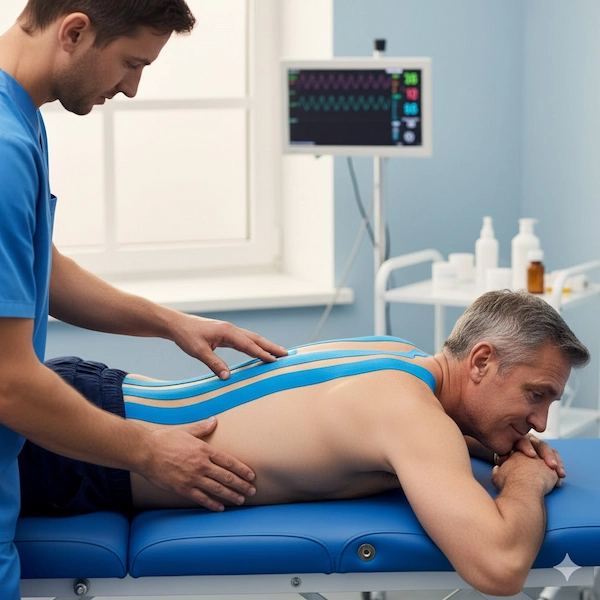
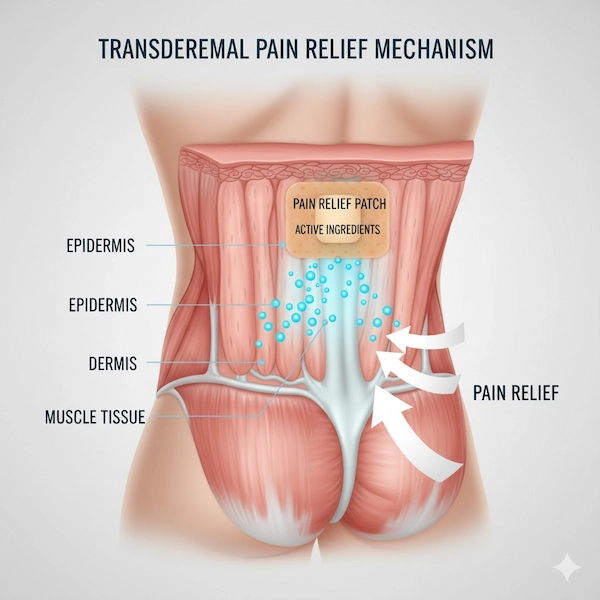
Therapeutic back patches are a medical adhesive that contains an active medicinal substance that is attached to the skin of the back, so that the skin absorbs this medication, which is often local anesthetics and anti-inflammatories with other ingredients that give you a feeling of warmth or coolness as you need it.
The effect of the back patch on the body varies;
Back pain relief patch ingredients
Although not all back pain relief patches work with the same active ingredient, However, it often consists of the following compounds:
|
Article |
Material type |
Its role in treatment |
|
Lidocaine |
Effective |
This substance acts as a local anesthetic that prevents the transmission of pain signals from the nerves to the brain. |
|
Diclofenac |
Effective |
An anti-inflammatory that reduces swelling and pain, especially when moving. |
|
Menthol |
Effective |
It provides a cooling sensation, which relieves pain and sometimes helps reduce inflammation. |
|
Capsaicin |
Effective |
It is extracted from hot peppers, causes a feeling of warmth, and helps relieve pain. |
|
Adhesive |
Ineffective |
The patch is attached to the skin of the back and ensures that the active substance reaches the body. |
|
Materials that help absorption |
Ineffective |
It contributes to moisturizing the skin to improve its absorption of the medication. |
|
Oxidation inhibitors |
Ineffective |
These substances are used to reduce the chances of skin rejecting or feeling tightness of the patch, while supporting the fight against inflammation. |
|
Other auxiliary materials |
Ineffective |
These are substances that help soften the adhesive to maintain its shape, especially if you need to cut it into smaller sizes. |
Benefits of back patch
These patches are used in certain cases, Therefore, it offers many benefits and serves its purpose in the following way:
- Relieve back pain quickly, without affecting the internal organs of the body.
- It reduces the chances of side effects of the medication, which reduces the risk of stomach irritation, ulcers, and negative impact on the liver and kidneys.
- It provides a sustained, sustained release of medication, giving you relief for a long period of time that may extend beyond a full day.
- Easy to use, safe and suitable for people who do not prefer drug treatments.
- It can be used in people with chronic pain, such as those with fibromyalgia syndrome.
What are the reasons for using back patches?
When do you need to use therapeutic back patches? ومن أهم دواعي استخدامها ما يلي:
- If you suffer from back pain, whether simple or chronic.
- In cases of stress, muscle strain, or back sprains as a result of incorrect movement or physical exhaustion.
- It is used to treat joint and muscle pain, in order to improve movement and increase efficiency and ability to complete the daily tasks required of you.
- Alleviates nerve pain that appears in the back or peripheral nerves.
- When there are stomach problems that prevent the use of oral medications to treat back pain, they can also be used in cases that suffer from allergies to the drug components.
- They can also be used if cramps occur after exercise.
- Cases of back pain in the elderly.
Read also: How to treat a muscle tear in the back
The best types of back patches
The back patch comes in different types depending on its size or the active ingredients in it. The most prominent and best types of back patches are the following:
- Salonpas back patch
One of the best plasters used to treat back pain is:
- Salonpas Pain Relieving patch
It contains menthol and capsaicin, and it is one of the patches that works to enhance local heat after the initial cooling that comes from the menthol, as it can be used for periods of up to eight hours, and relieves minor back pain such as muscle tension, muscle and joint pain, etc., and thanks to its combination of cold and then hot effects, it gives a comfortable feeling, and relieves pain efficiently.
- Johnson's patch for back pain
Once placed on the back, you feel comfortable warmth, which makes your muscles feel relaxed. It also uses cooling and then heating technology that eliminates pain and enhances the feeling of comfort.
- Tiger Balm Patch
It is available in the Saudi market. It has a well-ventilated base, which makes it comfortable and sticks well. Even when removed, it does not cause discomfort and does not stick too tightly. Among its most important ingredients are camphor, menthol, and pepper extract, which causes a feeling of coldness at first, then warmth, which enhances blood circulation and relieves pain.
- Kefentech Plaster
A medical patch used to treat back pain and is based on ketoprofen to relieve pain and treat inflammation, as it provides a quick effect to relieve pain and works for long hours, but it is not suitable for prolonged use without consulting a doctor.
The most important steps for applying the back patch
The method of applying the back patch is easy and does not require a lot of work, but you must follow certain procedures and steps to keep it clean and ensure that it is used correctly. The most important of these steps are the following:
- You must first read the instructions on the patch carefully, especially regarding the place where it is used, its medicinal ingredients, and the places in the body where you cannot use it.
- Clean hands well and wash them with soap and water.
- If there is an old patch on the back, it must be removed first, then clean the skin afterward and make sure that there are no visible wounds, burns, or infections on the skin.
- If there is hair on the area to be treated, it is best to clean it to avoid pain when removing it.
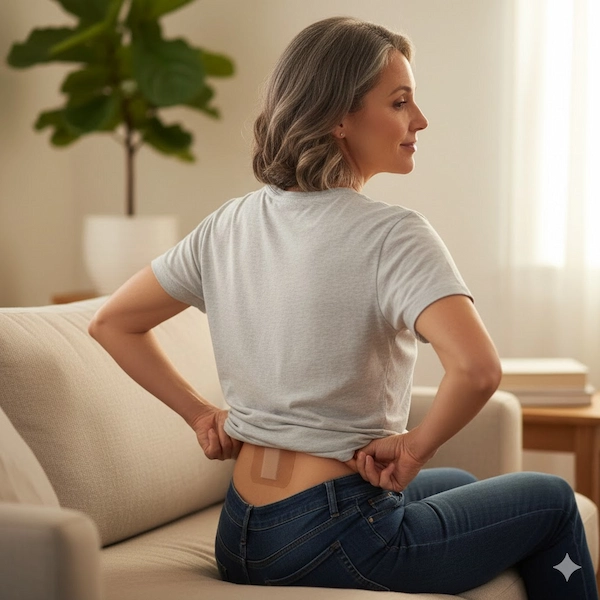
- Open the patch wrapper and remove its protective cover, making sure not to touch the adhesive part at all.
- Apply the patch directly to the skin, making sure not to place it on folded areas of the skin or any joint area that moves a lot.
- Squeeze the patch and make sure it sits well and has no wrinkles or air bubbles.
- Make sure that the edges are secure, and you can use medical tape if you find that the edges are not adhered well.
- After completing this process, you should wash your hands again and then get some rest.
What happens after applying the back patch?
In some cases, you are unable to apply the patch correctly, either because it does not stick or for other reasons. In this case, you cannot use the same patch again, even if it falls off after a period of putting it on that is less than the time required to use it. Rather, you must use another patch.
It is not preferable to be exposed to the sun or heat while applying this patch on the back. It is also preferable not to use compresses or bandages while they are on the skin of the back.
If you use these patches for a long time, it is not preferable to use them in the same place every time to avoid skin infections. Rather, you should replace the site as much as possible or take rest periods in which the skin is gently massaged with appropriate oils or medical preparations.
Find out more about: How to treat a muscle tear in the shoulder
Contraindications for using the back patch
Of course, there are some contraindications that you cannot use a back patch with. The most important of them are the following:
- If you are allergic to one or more of the components of the active ingredients in the patches or the inactive ingredients.
- If you have irritation, cuts, burns or rashes on the back skin where the patch is supposed to be used.
- In cases of chronic skin diseases such as eczema or psoriasis, or suffering from a weak barrier SkinBecause then the plasters will do more harm than good.
- If you suffer from liver or kidney health problems, you should consult doctors first.
- Patches that contain substances that affect the nervous system or strong anesthetics cannot be used in case of respiratory diseases or poor breathing.
- Pregnant and breastfeeding women cannot use these medical patches unless doctors deem otherwise, in which case they must adhere to the doctor’s instructions.
- Young children cannot use these patches.
- If you are taking other medicines that may interact with the substances released by the back patch, such as nervous system depressants or heart pacemakers.
- If you know you will have to be exposed to heat, you can't use patches in this case, but rather wait to stay out of the heat for as long as the patch is on your back.
Side effects of using medical tape for the back
In general, back patches are not considered a drug treatment that causes side effects, but negative effects may occur if they are used incorrectly. The most important of these effects are the following:
- Skin redness, color change, or the appearance of a rash where the patch was applied for long periods.
- Feeling dizzy or lightheaded, especially if you are exposed to a heat source or the patch is used for a longer period than intended.
- Some people report experiencing headaches, nausea, or stomach upset after using the patches.
- Allergic reactions appear, such as swelling in the affected area, swelling of the face or throat, or difficulty breathing or swallowing.
- Feeling excessively sleepy, especially when using patches that contain strong medications such as opioid painkillers.
- Interaction with other types of medications that the patient is taking, causing undesirable effects.
In any case, you should visit us immediately at Almoosa Hospital if any problem occurs after using the patch, especially if you used it without consulting doctors first.
Also learn about: Causes of persistent muscle pain and how to treat them
FAQs
Since back patches are one of the most commonly used types of simple medical preparations, there are many questions surrounding them. The most notable are the following:
What is the function of the back patch?
The back patch is primarily used to treat joint and muscle pain and inflammation in the connective tissues and nerves.
What is the difference between hot and cold back patches?
Hot back patches help expand blood vessels and improve blood flow, which contributes to accelerating healing and improving tissue elasticity, while cold back patches reduce swelling and inflammation, and temporarily inhibit the activity of sensory nerves to relieve pain.
Does the back patch have any side effects?
Back patches are not harmful in themselves, but they can be dangerous if used incorrectly or without consulting doctors.
In conclusion Back patches are one of the best types of supportive treatment for back and spine pain. . To consult a doctor and find out what type of patches is appropriate for you and how to use them to avoid side effects resulting from incorrect use.