
Blood sugar is a measure of the level of glucose in the blood. It is formed after carbohydrates from food are digested and then enters the bloodstream to be used as fuel for cells.
At Al Mousa Hospitals Group, we see every day how changes in blood sugar affect basic body functions, and we are here to simplify for you everything you need to know in a professional and simple medical manner at the same time.
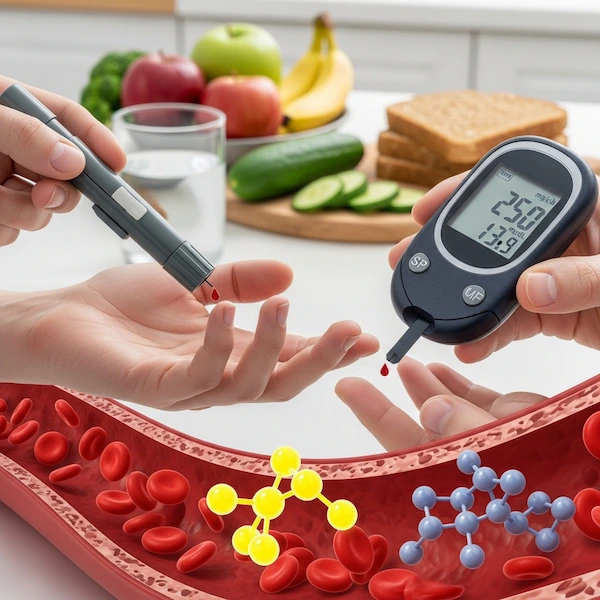
Understanding blood sugar: what is it and how does it work in your body?
Glucose is a simple sugar that enters the bloodstream after eating.
If the body does not produce enough insulin, or if cells are resistant to the effects of insulin (insulin resistance), the blood glucose level can become abnormally high.
What is the normal blood sugar level? And how to interpret it?
In the case of a normal human being, Blood sugar levels vary during the day:
أ. سكر الدم أثناء الصيام (قبل الأكل)
In a non-diabetic person, fasting blood sugar is usually between 70 and 99 mg/dL (or equivalent when converted to other units).
If it is slightly above this range (between 100 and 125 mg/dL) it may indicate pre-diabetes.
When blood sugar is 126 mg/dL or more on more than two separate tests, it is a strong indicator of diabetes.
Why do we measure sugar during fasting?
Measuring sugar after fasting for 8 hours gives a clear idea of the body’s ability to regulate sugar in the absence of a direct effect of food.
for.
In an unaffected person, blood sugar rises slightly after eating and then returns quickly, and less than 140 mg/dL two hours after a meal is considered normal.
For diabetic patients, there are special target ranges that may be slightly higher depending on the treatment plan, but the goal is not to exceed 180 mg/dL after two hours according to medical recommendations.
Why do we care about postprandial measurement?
After eating, blood sugar levels naturally rise, but the body's ability to quickly return this rise to the normal range is what distinguishes a healthy body from one with problems regulating sugar.
ج. سكر الدم العشوائي (في أي وقت خلال اليوم)
A blood sugar reading at any time without fasting is considered normal when it is less than 200 mg/dL.
A reading higher than this may indicate the presence of a blood sugar disorder or diabetes, especially if there are accompanying symptoms.
Learn about: Secrets of treating cumulative diabetes
What is the difference between test results and diabetes status?
- A fasting glucose level of less than 100 mg/dL is considered normal, while a level higher than that indicates prediabetes or diabetes, depending on the degree.
- A glucose level of less than 140 mg/dL two hours after eating is normal in people without the condition, but higher values often indicate problems with sugar regulation.
Blood glucose values in diabetics
- During fastingThe treatment plan usually aims to control blood glucose levels between 80-130 mg/dL.
- Two hours after eating: The treatment plan aims to control blood glucose levels so that it is less than 180 mg/dL.
These goals may vary slightly depending on the plan that the doctor determines for each patient.
What is the explanation for low blood sugar?
Tips for interpreting your results effectively
- Do not rely on one reading;
- Use the measurement while fasting and two hours after eating to get a clearer picture of how your body responds to meals.
- Talk to your doctor about the appropriate values for your health condition.
Factors that affect blood sugar
1. Diet
Food is the primary factor in determining the level of glucose in the blood.;
2. Physical activity
Exercise helps the muscles use the glucose accumulated in the blood, which helps reduce its level and improve the body's sensitivity to insulin.
3. Psychological stress
Chronic stress raises levels of hormones such as cortisol that affect blood sugar, and may cause it to rise unexpectedly.
4. Medications and health problems
Some medications may cause blood sugar levels to rise or fall.
Read more about: Normal blood sugar level after eating
The difference between the symptoms of high and low blood sugar
Symptoms differ completely between high and low blood glucose levels:
First: What are the signs of high blood sugar?
Among its most prominent signs:
- Extreme thirst
- Frequent urination
- Exhaustion
- Blurred vision
- Slow healing of wounds
- Chronic high blood sugar, if left uncontrolled, may affect the blood vessels, nerves, kidneys, and heart.
Second: What are the symptoms of low blood sugar?
It occurs when the glucose level falls below the minimum required by the body. Its symptoms include:
- Feeling dizzy and shivering
- Sweating
- Extreme hunger
- Confusion or loss of concentration
- In severe cases, loss of consciousness may occur
- also;
How to monitor blood sugar
Traditional measuring devices
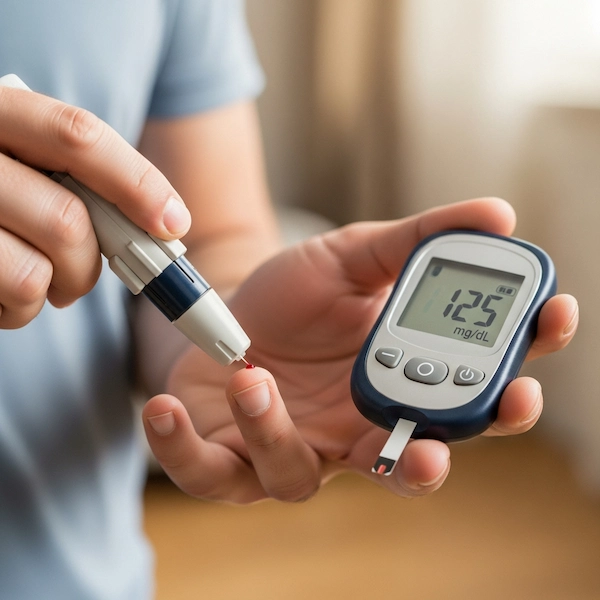
Portable glucose meters enable you to measure your glucose level at any time;
Smart devices and continuous monitoring
Some modern devices provide continuous measurement of blood sugar levels throughout the day, which helps you see the fluctuations accurately and know the impact of every action you take on the blood sugar level.
What does the cumulative blood sugar test mean?
The HbA1c test measures average blood glucose levels over a long period (usually 2–3 months).
Pre-diabetes and how to prevent it
There is a condition known as pre-diabetes, where sugar levels are higher than normal but not yet to the point of being diagnosed as diabetes. من خلال:
- Improve diet
- Increase physical activity
- Weight control
- Regular monitoring of levels
The relationship between sleep and blood sugar
Lack of sleep or disturbed sleep affects the hormonal balance and makes the body less sensitive to insulin, leading to a rise in blood sugar levels.
Proper nutrition to regulate blood sugar
Blood sugar management often starts at the table; Here are correct nutritional principles:
- Reduce direct sugars, such as sweets and pastries.
- Choose carbohydrates with a low glycemic index.
- Add proteins and healthy fats to your meals to make absorption slower and more balanced.
- Eat small, balanced meals rather than large, unstructured meals.
Proper nutrition provides stable energy and maintains sugar balance without sharp peaks and valleys.
Exercise and how to regulate sugar
Exercise improves the body's sensitivity to insulin, leading to better use of glucose.
Dealing with psychological stress to improve blood sugar
Stress is not only a psychological factor, it also affects blood sugar levels. Some techniques may help manage stress, such as::
- Deep breathing
- Meditation
- Yoga
- Organizing rest times
These techniques help the body relax and reduce stress hormones that raise blood sugar levels.
What is gestational diabetes?
It is a special case of blood sugar disorders;
Complications of not controlling blood sugar
If diabetes is left uncontrolled for a long time, The following may appear:
- Numbness and numbness in the extremities due to nerve damage.
- Kidney problems that affect its functions.
- Vision problems may develop into visual complications.
- Heart disease and atherosclerosis.
- Poor wound healing and increased risk of infection.
What do you get when you choose the Moussa Healthy Set?
When you choose Al Mousa Hospitals Group for your health care, you get an integrated, high-quality medical experience that includes advanced medical services in multiple specialties of diagnosis, treatment, and acute and chronic care, with a specialized medical team working in full coordination to ensure your safety and comfort throughout the treatment journey.
You also benefit from comprehensive and continuous care that puts you and your family at the center of attention with personal support at every step of your visit or treatment, from the initial examination to long-term follow-up within a compassionate and healing environment while ensuring the highest standards of safety and quality of service.
Frequently asked questions about blood sugar
What is the difference between blood sugar in a healthy person and a diabetic patient?
In a healthy person, the body produces Insulin It is used effectively to maintain stable sugar levels.
What is the best time to measure blood sugar?
This depends on the doctor’s recommendation, and it differs in whether measuring blood sugar is for diagnosis or follow-up treatment.
How do I control my blood sugar during travel or events?
Planning meals in advance, carrying healthy snacks, and measuring your blood sugar regularly help prevent sudden fluctuations during travel or events.
Does high blood sugar necessarily mean diabetes?
No, blood sugar may rise temporarily due to stress, illness, or certain medications, but a continuous increase in blood sugar may indicate diabetes or a pre-diabetes stage.
When is high blood sugar dangerous?
Highs become dangerous when they are severe or persistent, especially if they are accompanied by symptoms such as extreme thirst, fatigue, blurred consciousness, or vomiting.
Does high blood sugar cause death?
Yes, in severe, untreated cases, it may lead to serious, life-threatening complications, especially when a diabetic coma occurs.
What are the symptoms of high blood sugar in a normal person?
A temporary increase may occur after a large meal or severe stress, and it returns to normal within hours without complications in a healthy person.
What are the symptoms of high blood sugar in women?
These include excessive thirst, frequent urination, fatigue, dry skin, and frequent infections, especially in the urinary or vaginal tract.
What are the symptoms of blood sugar rising to 400?
There are no symptoms associated with certain blood sugar readings;
What is the treatment for high blood sugar at home?
It is limited to simple cases only, through drinking water, light movement, and adhering to treatment, but severe symptoms require urgent medical intervention.
Conclusion
Controlling blood sugar is not a temporary goal, but rather an ongoing journey that begins with awareness and ends with better health and a higher quality of life.
In a group Al Mousa Specialized Hospitals We put the patient's health at the heart of our attention, through accurate assessment, integrated diagnosis, and individual treatment plans based on the latest medical practices. Book your consultation now.
