
At a time when cancer remains one of the most complex medical challenges, cancer immunotherapy has emerged as one of the innovations that has restored hope to millions of patients around the world. This treatment is based on stimulating the immune system to precisely target cancer cells without harming healthy tissue as happens in traditional treatments. Therefore, it is seen today as a turning point in cancer treatment with its balance between effectiveness and safety.
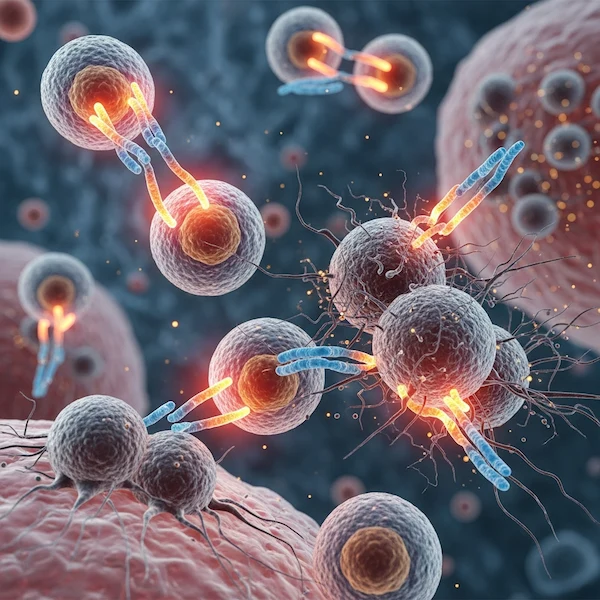
In this context, we will learn together in the following lines about the mechanism of action of immunotherapy, when it is used, and its most important benefits that have made it a revolution in the world of oncology treatment.
What is cancer immunotherapy?
When we talk about immunotherapy, many may ask a logical question: What is this type of treatment?
In general, the immune system works to protect the body from foreign organisms such as bacteria, viruses, and abnormal cells. However, cancer cells have a great ability to camouflage and hide, and this leads to them continuing to grow and spread without being detected by the immune system.
When is cancer immunotherapy used?
In the early stages of the development of immunotherapy, it was mainly used to treat advanced cases of cancer to relieve symptoms and support other treatments. Over time, this type of treatment proved effective in controlling the tumor and reducing the risk of its recurrence, which led to the expansion of its use to include the early stages as well.
In addition, in some types such as lung cancer, it has become used as a primary solution from the beginning of treatment to increase the chances of a complete recovery.
من هو المرشح المناسب للعلاج المناعي؟
Immunotherapy is usually used for patients who have not achieved an adequate response to chemotherapy or radiation, and for certain cancers such as skin, lung, kidney, and some types of leukemia. The patient's choice depends on his general health condition and the efficiency of his immune system to ensure the best possible response to treatment.
اقرأ ايضاً: العلاج الموجة خيار علاجي ذكي لمرضى السرطان
How long does cancer immunotherapy last?
The duration of cancer immunotherapy varies from one patient to another according to several factors, the most important of which are the type of cancer, the drug used, and the body’s response to the treatment. In some cases, the treatment period may last for weeks if the response is rapid, while it extends for months or more when the condition requires longer follow-up to ensure control of the tumor.
Types of cancer immunotherapy
Immunotherapy is one of the latest and most advanced medical methods, as it stimulates the immune system to be able to recognize cancer cells and attack them effectively. These treatments also vary in their method within the body and patients’ response to them, so doctors are keen to choose the most appropriate type according to each patient’s condition and stage of the disease.
Accordingly, these types are: Below:
Cancer vaccines
Among the modern methods of targeted cancer immunotherapy, vaccines are an effective solution aimed at supporting the immune system and enabling it to confront cancer cells. Their importance lies in the fact that they are not only used for prevention, but also contribute to reducing the possibility of the development of some tumors and their resistance within the body.
One of the most important names of cancer immunotherapy the following :
- HPV vaccine that reduces the risk of cervical cancer.
- A vaccine directed at treating prostate cancer, which helps stimulate the immune response to attack cancer cells.
- In addition to the hepatitis B vaccine, which has proven effective in preventing liver cancer.
Adoptive cell therapy
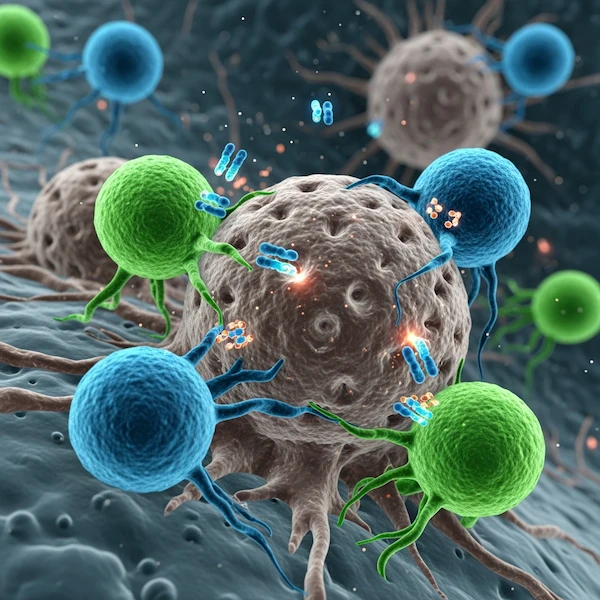
This type of treatment is based on the idea of restoring the strength of the immune system from within the body itself, where a group of immune cells is removed from the patient's blood, then reprogrammed in the laboratory to become more able to recognize and attack cancer cells.
It is then returned to the body to carry out its defensive role. This method gives the immune system additional energy and high accuracy in targeting the tumor without harming healthy cells.
Immunotherapy that stimulates the immune system
These treatments aim to activate the natural response of the immune system and stimulate its ability to confront cancer cells. Includes in general ما يلي:
- Interferons have an important role in reducing the growth of cancer cells and improving the function of immune cells.
- Interleukins effectively contribute to stimulating immune cell division and increasing their efficiency in fighting tumors.
- On the other hand, cytokines regulate communication between immune cells to significantly improve their defense response.
- Immune checkpoint inhibitors have brought about a major shift in the treatment of some types of cancer, the most important of which are skin and lung cancer, as they help remove restrictions that prevent the immune system from recognizing cancer cells and attacking them efficiently.
How is immunotherapy given?
Cancer immunotherapy is often given via intravenous injection within treatment sessions conducted under the supervision of the specialized medical team. Session times vary depending on the type of medication and the body’s response to treatment. They may be scheduled on a weekly or monthly basis. Patients are also advised to take rest periods between sessions to help the body recover and restore balance.
Types of cancers that immunotherapy can treat
Immunotherapy is currently used to treat approximately twenty different types of tumors, and has achieved remarkable progress in a large number of them. Among these types are:
- Head and neck tumors, including brain cancer.
- Cancers of the urinary and reproductive system such as the bladder, cervix, kidney, and ovary.
- Gastrointestinal cancers that include colon, rectum, esophagus, liver, and stomach.
- In addition to other types, including leukemia, lung cancer, and skin cancer.
It may interest you : برنامج الفحص الشامل
Complications of immunotherapy
As in most other treatment methods, the patient may experience some side effects while receiving immunotherapy or after its completion, and their severity varies from one person to another depending on the type of medication and the body’s response to it. These symptoms are classified into two main types:
First: common and mild symptoms
They often appear at the beginning of treatment or immediately after sessions. Include:
- General fatigue.
- Fever or shivering.
- Muscle and joint pain.
- الصداع.
- الغثيان أو التقيؤ.
- Rash or skin irritation at the injection site.
- Mouth ulcers.
- Minor changes in blood pressure.
Second: Rare but more severe complications that may require immediate medical intervention
These complications include: ما يلي:
- Infections of the intestines, lungs or liver.
- Disorders of the thyroid gland or autoimmune functions.
- Immune symptoms such as arthritis or eyes.
- Difficulty breathing or chest pain.
- Swelling of the extremities or change in urine color.
- Yellowing of the skin or dry eyes and blurred vision.
Therefore, our medical team takes care of the patient and makes every effort to avoid any possible complications. The health condition is carefully monitored throughout all stages of treatment, while providing immediate medical support to ensure safe care and reassuring results.
Why Al Mousa Specialist Hospital?
Because we do not just provide the latest treatment techniques, but rather we put the needs of each patient at the heart of his treatment plan, and based on this principle, we carefully study your case from all aspects to determine whether immunotherapy is the most appropriate choice, or whether there are other, more effective solutions that suit your health condition and guarantee the best possible results.
What makes us your trusted destination?
- Accurate and modern technologies.
- A comprehensive personal evaluation of each patient.
- Integrated medical supervision from a team that includes an elite group of oncology consultants.
The difference between targeted therapy and immunotherapy
Immunotherapy and targeted therapy are both modern approaches to combating cancer. إNot that each of them has its own way of working as described فيما يلى :
- Immunotherapy focuses on stimulating the immune system to recognize and eliminate cancer cells.
- While targeted therapy targets specific elements within the cancer cell that hinder its growth and spread.
How much does cancer immunotherapy cost?
Cost of cancer immunotherapy Relatively high, and is affected by the type of medication used and the stage of the disease, in addition to the duration of treatment and the necessary tests during follow-up.
Conclusion
At the conclusion of our talk about the role of cancer immunotherapy, the truth is clear that hope is no longer far away, as scientific progress today opens new horizons that enable... Immune system Being a key element in the fight against cancer, this type of treatment not only gives successful results, but also restores the patient's confidence in his ability to recover.
Start your journey towards recovery today, and let the experts Al Mousa Specialist Hospital They accompany you step by step towards a healthier and safer life.
Frequently asked questions about cancer immunotherapy
What is the success rate of immunotherapy?
The success rate of immunotherapy ranges between 20% and 50% depending on the type and stage of cancer, and it has proven effective in improving survival rates in patients with cancers such as lung and kidney thanks to its activation of the immune system.
When does immunotherapy take effect?
The timing of results varies from patient to patient, and signs of improvement often begin within weeks to several months of starting treatment depending on the immune system response and the type of medication.
Does immunotherapy cure cancer?
In some cases, treatment may control or completely eliminate the tumor, but it is often used to slow the growth of cancer cells, improve quality of life, and reduce the likelihood of relapse.
Is immunotherapy tiring?
Its side effects are usually milder than chemotherapy, include general fatigue or flu-like symptoms, and are often temporary and medically manageable.
What types of cancer does immunotherapy not work on?
Some tumors, such as pancreatic cancer, prostate cancer, and brain tumors, are less responsive to immunotherapy, and doctors continue to develop new plans to improve its effectiveness against these types.
Is immunotherapy better than chemotherapy?
Each treatment performs a different function. Immunotherapy activates the immune system to attack the cancer, while chemotherapy directly kills cells. Sometimes they are used together to increase effectiveness.
Can cancer come back after immunotherapy?
It may return in some cases, especially in aggressive tumors, so regular follow-up and regular examinations are necessary to detect any early change.
How long can I live after immunotherapy?
The duration depends on the type of tumor and the patient's response, but many patients have achieved longer survival times and a better quality of life compared with conventional treatments.
Does immunotherapy cause hair loss?
It usually does not lead to hair loss, except in rare cases or when combined with chemotherapy, and these effects are temporary and treatable.
Learn about: مركز الاورام لدى الموسي الصحية
