
Chocolate cyst disease is one of the most prominent gynecological problems that some women face, as it is associated with chronic pain and disorders that affect the quality of life.
Al Mousa Specialist Hospital is considered one of the leading centers in this field, as it includes an elite group of specialized doctors and provides the latest diagnostic and treatment methods in accordance with the highest international medical standards.
What is chocolate cyst disease?
Chocolate cysts, medically called ovarian endometriotic cysts, are one of the most common complications of endometriosis.
Symptoms of chocolate cyst disease
Symptoms of chocolate cysts vary from one woman to another. They may be severe and noticeable in some women, while they may pass without obvious symptoms in others.
-
Pelvic pain
A dull or throbbing ache in the lower abdomen (pelvis), which may be intermittent or constant, and increases before and during your period, sometimes with prolonged standing or after a stressful day.
The pelvic nerves may become active and release inflammatory substances that increase the sensation of pain due to tissue irritation and mild adhesions accompanying the cysts.
-
Severe menstrual pain (dysmenorrhea)
It begins a day or two before menstruation and becomes more severe in the first two days. It may be accompanied by nausea, diarrhea, or noticeable fatigue.
As a result of intracystic bleeding, which stimulates substances similar to prostaglandins, uterine contractions and nerve sensitivity increase, so the menstrual period appears more severe than usual.
-
Pain during intercourse (deep)
It appears as a deep pain during or after intercourse, and the heaviness sensation may last for hours.
This appears as a result of the presence of cysts or sensitive points behind the uterus and around the uterine ligaments that cause painful tension when the cervix and uterus move.
-
Menstrual disorders
Heavy bleeding than usual, shorter or longer periods, and light bleeding before or after your period.
This is due to accompanying hormonal changes, chronic inflammation, and sometimes the presence of accompanying uterine conditions.
-
Lower back or lower abdominal pain
Feeling a throbbing pain that precedes the period and subsides after it, and may increase with prolonged sitting or vigorous activity.
As a result of pain being transmitted from the pelvis to the lower back via common nerve pathways, in addition to compensatory muscle tension.
-
Digestive or urinary symptoms
The presence of bloating, the feeling of fullness quickly, the presence of periodic constipation or diarrhea that worsens near the period, in addition to the feeling of pressure on the bladder or frequent urination, and sometimes pain with defecation during the period.
A large cyst or surrounding inflammation may put pressure on the intestine or bladder, increasing the sensitivity of the viscera.
Learn about: Symptoms of polycystic ovary syndrome Mild and severe, and when do you visit the doctor?
Self-diagnosis of chocolate bags
There is no definitively reliable way to self-diagnose cysts at home, because diagnosis requires specialized medical examinations such as ultrasound, MRI, and sometimes laparoscopy.
However, a woman can pay attention to a group of signs that may raise suspicion and prompt her to see a doctor.
- Chronic and recurrent pelvic pain with menstruation.
- Severe pain during menstruation that differs from the usual pain.
- Heavy or irregular bleeding.
- Pain during intercourse.
- Difficulty getting pregnant despite regular attempts.
- Bloating or a feeling of a lump in the lower abdomen.
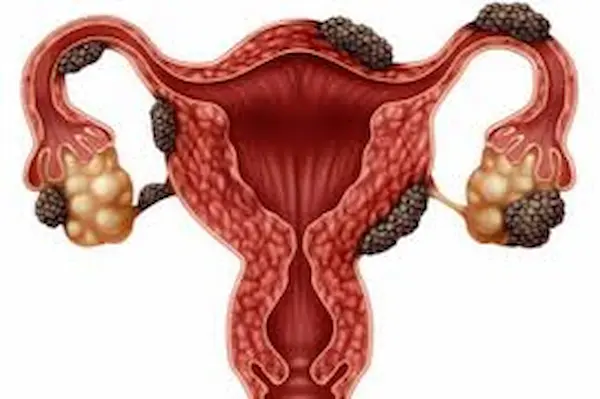
Causes of chocolate cyst disease
Chocolate cysts, known as “endometriosis cysts,” are caused by the growth of tissue similar to the lining of the uterus outside the uterus, often on the ovaries.
-
Reflux of menstrual blood (retrograde menstruation):
It occurs when menstrual blood flows backwards through the fallopian tubes into the pelvis instead of exiting normally, allowing endometrial cells to attach to the ovaries and form cysts.
-
الاضطرابات الهرمونية:
An imbalance in female hormones such as estrogen may contribute to the growth of endometrial tissue outside its normal place.
-
العوامل الوراثية:
Having a family history of endometriosis or ovarian cysts increases the likelihood of infection.
-
Weak immune system:
The immune system may fail to recognize and eliminate endometrial tissue implanted in an abnormal location, contributing to the formation of cysts.
-
Previous pelvic infections or surgeries:
Some surgeries, such as caesarean section or removal of fibroids, may create an environment that helps endometrial cells adhere to the outside of the uterus.
Complications of chocolate cyst disease
Infertility or difficulty getting pregnant:
Fertility may be delayed despite regular menstruation.
Chronic inflammation in the pelvis also changes the environment surrounding the sperm and egg.
Chronic pelvic pain:
Pain is not limited only to the menstrual cycle, but may continue throughout the month to become chronic.
Low egg reserve:
Over time, cysts may damage healthy ovarian tissue.
Cysts increase in size or burst:
The cysts may grow to a large size, increasing the risk of bursting.
Adhesions in the pelvis:
The secretions resulting from the cysts may lead to chronic inflammation in the pelvis, causing adhesions to form between the ovaries and the uterus or intestines.
Book your consultation now at مركز صحة المرأة At Al Mousa Specialist Hospital.
How to treat chocolate cysts
Treatment varies from one woman to another depending on the size of the cysts, the severity of symptoms, and the desire to have children.
Drug therapy (conservative)
It is used in mild or moderate cases, when symptoms are under control. Suitable for women who do not currently wish to become pregnant.
-
Painkillers:
Such as non-steroidal anti-inflammatory drugs to reduce menstrual pain and menstruation.
-
Hormonal therapy:
These include combined birth control pills, a hormonal IUD, or GnRH inhibitor injections, to reduce the growth of cysts and reduce menstrual pain.
-
Ovulation inhibitors:
It helps reduce ovarian activity and thus reduces the development of cysts.
العلاج الجراحي
It is recommended if the cysts are large (>4 centimeters), causing infertility, or leading to complications.
-
Laparoscopy:
The doctor makes a small incision and removes the cyst while preserving the ovarian tissue as much as possible.
-
Cystectomy:
Removing only the cyst and leaving the ovary intact, which preserves fertility.
-
Oophorectomy:
In severe cases or when the ovarian tissue is completely damaged.
Drug and surgical treatment can be combined together. The doctor often begins with drug treatment to relieve symptoms and reduce the size of the cysts.
Fertility support (in case of infertility)
If cysts affect ovulation or cause pelvic adhesions, assisted reproductive techniques such as in vitro fertilization (IUI) or IVF may be recommended.
Frequently asked questions
Is a bag of chocolate dangerous?
Chocolate cyst disease is usually not life-threatening, but it can cause significant complications such as infertility and chronic pain.
How do I get rid of chocolate bags?
Chocolate cysts are eliminated either with medications to relieve symptoms or with surgery (particularly laparoscopy) to remove the cyst permanently, the choice being determined by the size of the cyst and the severity of symptoms.
Who could have a bag of chocolates?
Chocolate cysts often appear in women of reproductive age, especially those who suffer from endometriosis or have a family history of it.
Does the bag of chocolate disappear?
The cyst rarely goes away on its own, and often requires medication or surgery.
Can the cyst come back after it is removed?
Yes, it may come back even after surgical removal, especially if endometriosis persists.
In conclusion, chocolate cyst disease is a common condition among women of childbearing age, and although it does not disappear spontaneously in most cases, early diagnosis and appropriate treatment help control the symptoms and reduce the chances of it returning in the future.
Sources
Healthline- Chocolate Cyst
Medical News Today- What Is Chocolate Cyst
