
Fistula disease is a general term given to one of the problems that may occur in many areas of the body, but many believe that it occurs in the anus only. It usually occurs as a result of the flow of fluids to many parts of the body within cavities that are connected to each other. There are many different types of fistulas, which we will tell you about through this article, in addition to learning about the causes of the infection and how to properly diagnose and treat it.
What is fistula disease?
A fistula is a common medical condition that occurs as a result of an abnormal opening that connects the body’s organs or between blood vessels that are not connected to each other normally or in their natural place. It should be known that it can form anywhere in the body, but the most common type is around the anus, and it is usually one of the conditions that requires therapeutic intervention through surgery, as leaving it untreated may lead to many health complications as a result of the spread of bacterial infection and sepsis, which poses a threat to life.
What are the types of fistula disease?
There are many different types of fistulas, the most common of which are the following:
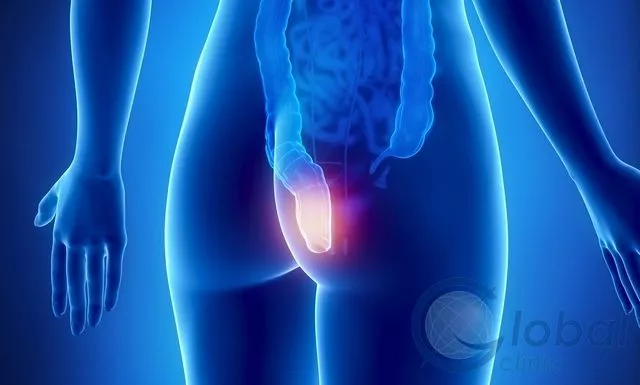
1- Anal fistula: It is among the most famous types of fistula, which affects men twice as often as women. It is a canal that expands with an internal opening from the anal canal to the outer layer of skin surrounding the rectum. It occurs as a result of the presence of an abscess in the anal area and is also divided into many types, such as:
- Transsphincteric fistula is formed behind the rectum and leads to the presence of the sphincter muscle outside the anus.
- The naso above the woman, and here it is between the internal and external sphincter muscle and extends upward and leads to a cut in the pubic muscle.
- Extrasphincteric fistula or anal fistula is the most common type.
2- Gastrointestinal fistula: It is an abnormal opening that occurs within the digestive system, which results in fluids leaving the stomach lining and heading to the intestines, leading to inflammation. It occurs as a result of complications of abdominal surgical procedures or as a result of infection with one of the following: Gastrointestinal diseases Chronic.
3- Vaginal fistula: It is an abnormal channel that connects the vaginal organs to other body organs, such as the vaginal connection to the ureter, rectum, small intestine, colon, and bladder.
Learn how Eliminate external hemorrhoids Methods of treatment and how to diagnose
Causes of fistula disease
Fistula disease is one of the inflammatory bowel diseases, which may be unknown to many. Like Crohn’s disease, it occurs as a result of many diverse causes, most notably:
- The occurrence of an abscess in the area surrounding the anus, which leads to its displacement through an external outlet through the skin and access to the anal canal, and this reason is among the most common causes of its infection.
- It may occur as a result of complications of surgery for anal fissure and hemorrhoids.
- Exposure to radiation or as a result of cancer, especially in the pancreas.
- Vaginal fistula or rectal fistula may occur in women as a result of difficult labor.
- Biliary fistula disease occurs as a complication of cholecystectomy.
- Hidradenitis suppurativa and appendicitis.
- The reason for increasing the chances of developing a fistula may be suffering from diabetes and hidradenitis.
- AIDS and some malignant tumors.
- Occurrence of duodenal ulcer perforation.
Book your consultation now at Department of Urology At Al Mousa Specialist Hospital.
Symptoms of fistula disease
- The presence of chronic fluid secretions with a foul odor.
- Excretion of blood or pus, which may sometimes be stool, depending on the severity of the condition.
- Fever, pain, swelling and redness.
How is fistula diagnosed?
Diagnosing anal fistula requires a set of medical steps, from clinical examination to advanced imaging tests. Below we mention the diagnostic steps in detail:
Medical history and clinical examination
- Diagnosis begins by asking the patient about the symptoms he is experiencing, such as purulent discharge from around the anus, persistent pain or itching in the area, and a previous history of anal abscess or chronic diseases such as Crohn’s disease.
- The doctor carefully examines the anus and the skin surrounding it to look for an external opening, swelling, or signs of inflammation.
Internal examination using medical tools
To obtain an internal view of the fistula duct, the following may be used:
- Anoscopy or proctoscopy: A thin tube device equipped with a camera is used to insert it into the anal canal to examine the internal opening of the fistula and surrounding tissue.
- Fistula duct endoscope: It is a precise endoscope that is inserted directly into the fistula duct to examine it from the inside. It is very useful in determining the extent of the fistula and the presence of any complications.
Advanced imaging examinations
In complex cases or when the diagnosis is not clear, the following tests are used:
- Magnetic resonance imaging: It is the golden test for diagnosing complex fistulas, and it gives accurate images of the path of the fistula and relationships with the sphincter muscles, which helps the surgeon plan the operation accurately.
- Transrectal ultrasound: It is used to evaluate the depth of the fistula and its relationship to the sphincter muscles. It is performed during the initial examination and gives quick results.
Barium enema
It was used to image the colon and rectum, and may show the connection of the fistula with the intestine in some rare cases.
Colonoscopy or sigmoid colon
This examination is recommended in cases of recurrent or complex fistula disease to ensure that there is no underlying disease such as Crohn's disease, ulcerative colitis, or even Colon cancer.
Complications of fistula disease?
If fistula is not treated in a timely manner, it may lead to a number of serious complications that affect the patient’s physical and psychological health. The most important of these complications are the following:
- Recurrence of abscesses: Pus may collect again after draining, leading to recurring pain and swelling in the affected area.
- Spread of infection: The infection can spread to adjacent tissues or deeper layers under the skin and may develop into serious conditions such as necrosis, which is an emergency condition that requires immediate intervention.
- Formation of a complex fistula: Fistula disease may develop to include multiple channels or extend deep into the sphincter muscles, which makes treatment more complicated and requires precise surgery.
- Fecal incontinence: If the anal sphincter muscles are injured due to a fistula or during surgery, the patient may experience poor bowel movement control, leading to involuntary leakage of stool.
- Delayed healing or recurrence of fistula after surgery: Especially in patients with Crohn's disease or diabetes, the patient may face difficulty in healing the wound or the return of the fistula after surgery.
- Irritation and ulceration of the skin around the fistula: Continuous purulent secretions cause irritation, redness, and ulceration in the skin surrounding the external opening of the fistula, which increases discomfort and the risk of skin infections.
- Narrowing of the anal canal: As a result of repeated inflammation, fibrous tissue may form, leading to narrowing of the anal canal, making defecation difficult.
- Psychological and social impact: Persistent pain and unwanted secretions may cause psychological anxiety, social discomfort, and negative impact on daily life.
- Fistula turning into cancer: Although rare, there are some cases that have shown that untreated chronic fistula may be associated with an increased risk of skin or anal canal cancer.
When should you visit a doctor?
It is important to know the symptoms or conditions that require early medical review to avoid complications and ensure an accurate diagnosis. Among the most important conditions that require a visit to a doctor are the following:
- The appearance of abnormal or persistent symptoms: such as severe headache or dizziness, vision problems or loss of balance, unexplained fatigue or prolonged fever.
- Exacerbation of chronic diseases: If you suffer from diseases such as diabetes, high blood pressure, heart or lung disease, or any negative change in your health condition, you should see a doctor immediately.
- Pregnancy: Once pregnancy is confirmed via a home test, it is recommended to visit a doctor during the first week so that planning can be made to monitor the pregnancy in a healthy and regular manner.
- Psychological symptoms affecting daily life: If you suffer from persistent depression, severe anxiety, or frequent mood changes that affect work or social relationships, you should consult a psychiatrist.
- Skin changes or abnormal lumps: such as the appearance of new lumps or swellings, changes in moles (color, size, bleeding), abnormal secretions or ulcers that do not heal.
- Suspected fistula: Anal fistula does not heal on its own. If you notice pus discharge from the anal area, persistent pain or swelling around the anus, you must visit a surgeon or specialist in colorectal diseases.
- Common symptoms that do not improve with time: such as a persistent cough for more than two weeks, severe back or joint pain, difficulty with digestion, or changes in bowel habits.
الأسئلة شائعة
Can fistula be cured?
It should be known that fistulas, in general, do not heal on their own and are usually a chronic problem. However, we must begin developing an appropriate treatment plan for the condition, which most of the time consists of surgical intervention, in order to prevent the infection from recurring again. Within Al-Mousa Hospital, we have a team among the best surgeons specialized in treating various fistula cases.
What does a fistula look like at its beginning?
Pilonidal fistula initially forms in the form of a small hole in the skin in the area near the coccyx, resulting in foul secretions near the anus, high temperature, and in some advanced cases, there is difficulty controlling urine or stool.
Is it possible to live with fistula?
The definitive answer to this question varies depending on the severity of the condition and the decision of the specialist doctor, but in general, you should eat a large amount of fiber and fluids to avoid constipation. Make sure to clean the area well by washing it with soap and water and avoid eating spicy foods, in addition to taking the medications and antibiotics prescribed to you by the doctor.
Fistula is one of the chronic health problems that occur as a result of many different reasons, but always remember that you should visit a doctor in order to learn about the type of fistula, the nature of the problem you are suffering from, and how to prescribe treatment correctly. We, inside Al Mousa Hospital, have the best and largest specialized doctors and a team of surgeons at the highest level, in addition to the presence of the latest equipment.
Medical references
Anal Fistula – clevelandclinic
Fistula – medlineplus
