
Airplane takeoff is considered one of the most anxiety-provoking moments for some travelers, especially for those who suffer from flight phobia, but in reality this stage is very safe thanks to advanced technology and strict safety procedures that airlines follow to ensure the safety of passengers throughout the flight. During this article, we will learn all the details of this type of phobia, its most important causes, and how to treat it.
What is the phobia of flying?
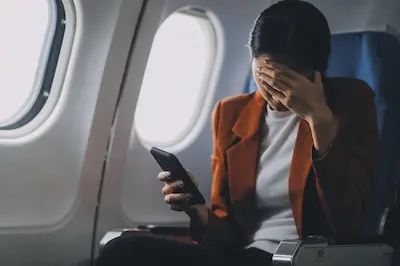
Flying phobia is an intense and unjustified fear of boarding airplanes or just thinking about traveling by air. It is a type of anxiety disorder that may make a person avoid flying completely even if it negatively affects his personal or professional life.
Causes of flying phobia
Flying phobia is not necessarily the result of a single cause, but rather it may be a combination of several psychological factors and life experiences that affect the person, and the most important causes are the following:
- Fear of air accidents: Constantly thinking about a plane crash or experiencing a technical malfunction may cause extreme terror, even if statistics confirm that flying is one of the safest means of transportation.
- Loss of control: Some people feel unsafe because they are not in control of the plane, which increases their sense of fear and stress.
- Claustrophobia: Sitting in a closed cabin for hours and not being able to leave the plane may cause severe anxiety for those who suffer from this type of phobia.
- Fear of heights (Acrophobia): Some people have a natural fear of heights, which makes flying a terrifying experience for them.
- Previous negative experiences: If a person was exposed to a frightening situation on a previous flight, such as severe turbulence or an emergency landing, this may lead to him developing a phobia of flying.
- Media influence: Watching movies or news about aviation accidents may make a person always associate flying with danger and death, which reinforces his fears.
- Generalized Anxiety Disorder: Some people suffer from chronic anxiety or panic attacks that make them more likely to have a fear of flying even if they have not had a bad previous experience.
- Fear of losing self-control: Some people fear that they will have a panic attack or a nervous breakdown during the trip and will not be able to deal with it because they are in a closed place.
- Family influence and personal experiences: If a family member suffers from a phobia of flying, the person may acquire this fear as a result of being influenced by it or by hearing negative stories about flying since childhood.
Common symptoms of flying phobia
Some people suffer from a phobia of flying, which causes them severe anxiety and physical and psychological symptoms that make the air travel experience extremely stressful and difficult. The most important of these symptoms are the following:
Physical symptoms
- Significantly increased heart rate.
- Excessive sweating even at normal temperatures.
- Feeling short of breath or suffocating.
- Stomach pain or nausea.
- Dizziness or feeling of fainting.
- Trembling or trembling in the hands or the entire body.
- Muscle tension or body pain as a result of extreme stress.
Psychological and emotional symptoms
- Extreme anxiety long before the flight.
- Constantly thinking about the possibility of an air accident.
- Panic attacks when boarding or taking off.
- Feeling terrified when hearing the sounds of engines or the vibration of the plane.
- Fear of losing control or feeling helpless during the trip.
Behavioral symptoms
- Avoid traveling by air even if it affects your work or personal life.
- Frequently searching for aircraft accident news or aviation statistics.
- Try to sit near exits or refuse to sit by a window.
- The need to take sedatives or alcohol to relieve stress during flight.
Get to know The role of psychotherapy in overcoming depression
Who suffers from flying phobia?
Flying phobia can affect anyone, regardless of age or gender, but it is more common among people who suffer from anxiety disorders, panic attacks, or fear of closed spaces and heights. It may also appear in people who have been exposed to previous negative experiences while flying or who have been affected by hearing scary stories about aviation accidents. In addition, some people who have never flown before may feel afraid because they do not know the details of the flight and what to expect. You can Book your consultation now at Rafah Center To help you overcome your fear of flying.
How to overcome phobia of flying
Overcoming aviation phobia is possible by following effective strategies that help reduce anxiety and make the travel experience more comfortable and confident. How to overcome it is as follows:
Gradual exposure to aviation
- Watch videos about airplanes, take-offs and landings.
- Experience virtual flights using virtual reality glasses.
- Start with short trips before traveling long distances.
Aviation education
- Knowing that flying is one of the safest means of transportation.
- Understand the nature of turbulence and how it does not mean a danger to the aircraft.
- Learn about the safety procedures and precautions followed by airlines.
Breathing and relaxation exercises
- Use deep breathing techniques to calm the nerves.
- Practice meditation and mindfulness exercises to relieve anxiety.
- Try progressive muscle relaxation exercises to prevent tension.
Change the way you think
- Replace negative thoughts about flying with positive thoughts.
- Focus on the destination and enjoying the trip rather than worrying about flying.
- Accept the feeling of fear without overreacting.
Use of entertainment during the flight
- Watch movies or listen to music to distract yourself.
- Read books or play on the phone to distract the mind from anxiety.
- Talk to other passengers or crew members to feel comfortable.
Resort to medical assistance if necessary
- Consult a psychiatrist specialized in cognitive behavioral therapy (CBT).
- Take prescription sedatives when necessary but under medical supervision.
- Join training courses that help overcome fear of flying.
Tips for travelers who suffer from flying phobia
If you suffer from a phobia of flying, there are a set of tips that can help you reduce stress, which are as follows:
Choose your seat carefully
- It is preferable to sit in the front seats or on the wings, where vibrations are less.
- Avoid seats near windows if you're afraid to look outside.
Find out the flight details in advance
- Check the flight schedule and forecast weather to minimize the element of surprise.
- Inquire about the safety procedures inside the plane to feel reassured.
Do breathing and relaxation exercises
- Use the deep breathing technique (inhale for 4 seconds - hold the breath - exhale slowly).
- Try progressive muscle relaxation exercises to relieve stress.
Keep yourself busy during the trip
- Listen to calm and pleasant music.
- Watch a movie or read a book to take your focus off fear.
- Download games or apps to help distract you.
Avoid stimulant drinks
- Avoid coffee and caffeinated drinks as they may increase stress.
- Drink water or a soothing beverage such as chamomile or mint.
Tell the cabin crew about your concerns
- Crew members are trained to help passengers with anxiety.
- Asking for help makes you feel safe and comfortable.
Don't listen to scary stories about flying
- Avoid searching for news of plane accidents or hearing negative experiences before traveling.
- Focus on the statistics that confirm that flying is one of the safest means of transportation.
Use natural or medical methods to calm down
- Try aromatherapy such as lavender to calm the nerves.
- Consult a doctor if you need a mild sedative before traveling.
Remember that you are not alone
- Many people suffer from a phobia of flying, but it does not prevent them from traveling.
- Deal with your fears gradually and with each trip the experience will become easier.
Psychological and medical support for patients with flight phobia
Psychological and medical support plays an important role in helping patients with flight phobia overcome their fears and enjoy traveling without worry, and the following can be followed:
Cognitive behavioral therapy (CBT)
- It helps in changing negative thoughts associated with flying and replacing them with rational thoughts.
- This is done through gradual exposure to aviation techniques such as watching travel videos or trying out flight simulators.
You can also view Behavioral therapy, its steps and benefits in improving psychological well-being
Individual or group psychotherapy sessions
- Talking to a psychologist helps understand the causes of fear and how to deal with it.
- You can attend group therapy sessions to share experiences with people suffering from the same problem.
Sedative and anti-anxiety medications
- Some people need mild sedatives such as benzodiazepines before traveling.
- The doctor may prescribe anti-anxiety medications for long periods in severe cases.
- Medications should only be taken under the supervision of a specialist doctor to avoid any side effects.
Relaxation and meditation techniques
- Practicing deep breathing exercises helps calm the nervous system.
- Trying yoga or mindfulness meditation before traveling greatly reduces stress.
Virtual flight training
- Some treatment centers offer flight simulator experiences to help patients get used to the feeling of flying in a safe environment.
- This method is very effective in gradually getting rid of fear.
Support from family and friends
- Talking to someone close about concerns helps you feel reassured.
- Traveling with a supportive companion reduces stress and provides a sense of security.
Traveler assistance programs
- Some airlines provide special programs to help people with flying phobia.
- You can contact the airline in advance to inform them of the situation and request additional support.
Frequently asked questions
Are there pills for flying phobia?
Yes, there are some medications that help relieve the symptoms of flying phobia, such as benzodiazepines (such as Xanax or Ativan) that act as fast-acting tranquilizers, and anti-anxiety medications (such as propranolol) that reduce physical tension. Antidepressants can also be used for severe cases, but you must consult a doctor before taking them.
How does a person feel when the plane takes off?
When the plane takes off, a person feels pressure in the ears due to the change in altitude, in addition to a slight feeling of gravity pushing him back due to the plane’s acceleration. Some may feel tense or anxious, while others enjoy the excitement. Light vibrations or natural air turbulence may also occur during the gradual ascent of the plane.
Is it normal for me to be afraid of flying?
Yes, it is normal to feel afraid of flying, especially if you rarely travel or have had a bad experience before. Many people suffer from anxiety while flying due to fear of accidents or loss of control, but with knowledge and training, this fear can be reduced and enjoy traveling.
Is it dangerous for a plane to take off?
Taking off a plane is not dangerous, but rather it is a normal and safe part of the flight, as planes undergo careful maintenance and pilots are trained to deal with any situation, and take-off and landing are among the most precisely controlled stages, so there is no need to worry, as the matter is safer than it seems.
Flying phobia or fear of flying is normal, but knowing the reality of safety during take-off may help you feel comfortable and enjoy the travel experience, as flying is one of the safest means of transportation, and by following some advice and psychological preparation, you can overcome your fears and enjoy your travels without worry.
Sources and references
Aerophobia (Fear of Flying) – cleveland clinic
Fear of Flying, Stress and Epileptic – PubMed Central
