
Uterine polyp is an abnormal growth in the lining of the uterus, represented by benign tissue growths that appear inside the uterine cavity, and may vary in size and number from one case to another. It is considered a common condition that affects women, especially in the pre- and post-menopausal stage. It may sometimes pass without clear symptoms, but at other times it may cause irregular vaginal bleeding, pain, or fertility problems, which requires diagnosis and careful medical follow-up. Uterine polyp is usually discovered through radiological examinations or hysteroscopy, and treatment is determined.
For uterine diet
Uterine polyps are abnormal growths that appear inside the uterine cavity and are composed of the endometrial cells themselves. These polyps may be small in size or large enough to completely fill the uterus. They may appear as one polyp or several polyps at the same time. In some cases, they may disappear on their own without the need for medical intervention, but other times they remain and cause annoying symptoms.
The exact cause of their appearance is not yet known, but it is believed to be related to hormonal changes, especially estrogen, because it plays a major role in the growth of the uterine lining, and its high level may lead to the formation of these polyps. In order to diagnose the condition, the doctor usually resorts to conducting a vaginal ultrasound examination, using a hysteroscope, or using a chromosomal imaging, and sometimes he requests taking a sample of the polyps to analyze it and ensure its safety.
What is uterine diet?
Uterine polyps are tissue growths that grow inside the uterine cavity and are made up of endometrial cells. They are also known as uterine polyps. They are often benign and non-cancerous. They may appear as one polyp or several polyps at the same time, and their size varies. They may be very small and not noticeable or large enough to fill the uterus.
It usually appears in women before or after menopause, but it may affect women at different ages and its appearance is linked to hormonal disorders, especially an increase in the level of estrogen, which affects the growth of the uterine lining. It is diagnosed by examining a vaginal ultrasound or using a hysteroscope, and in some cases it may be requested to take a sample of the polyp for analysis and to confirm its nature.
Causes of uterine diet
Uterine polyps are tissue growths that grow inside the uterine cavity and are made up of endometrial cells. They are a common condition among women, especially in middle age. They may sometimes pass without symptoms, so it is important to identify them and follow them up medically when needed. Below we mention their most important causes that you should pay attention to as follows:
- Hormonal imbalances, especially an increase in estrogen, which stimulates the growth of the uterine lining, which may lead to the formation of polyps.
- Increasing age, as the possibility of it appearing increases in women aged forty and beyond.
- Being overweight or obese because excess fat may affect the balance of hormones in the body.
- Taking some types of hormonal medications, such as breast cancer treatment medications that contain tamoxifen.
- High blood pressure, which may be indirectly related to the appearance of polyps.
- Genetic factors: Genes can play a role in increasing the susceptibility to the formation of uterine polyps.
- Previous infection with uterine fever, because recurrence of the condition is possible after treatment.
- The presence of other endometrial diseases such as endometrial hyperplasia.
The appearance of these symptoms does not necessarily mean the presence of a polyp in the uterus, but they require a visit to the doctor to examine and confirm the cause.
Read also: نزول الرحمIts causes, degrees, and most important treatment methods
Symptoms of uterine diet
Symptoms of uterine polyposis may vary from one woman to another and may sometimes pass without any obvious symptoms, but in many cases the following signs appear:
- Irregular vaginal bleeding.
- Bleeding between menstrual periods.
- Bleeding after marital intercourse.
- Bleeding after menopause.
- Increased blood volume during the menstrual cycle.
- Delay in pregnancy or difficulty in conceiving.
- Sometimes feeling cramps or pain in the lower abdomen.
For this reason, it is recommended to consult a doctor when any abnormal symptoms appear to ensure early diagnosis and avoid possible complications.
Complications of uterine diet
Complications of uterine diet may appear in some cases if they are not diagnosed or treated appropriately. The most important of these complications are the following:
- Vaginal bleeding continues for long periods, which may lead to anemia and general fatigue.
- Impact on fertility, as it may hinder the implantation of the fertilized egg inside the uterus, leading to difficulty in getting pregnant.
- Increased risk of recurrent miscarriage in some affected women.
- A rare possibility for polyps to turn into abnormal or malignant cells, especially after menopause.
- The recurrence of polyps after their removal, which requires periodic medical follow-up.
Diagnosis of uterine fibroids
Uterine polyps are diagnosed through several medical methods that help detect the presence of these polyps inside the uterine cavity, including the following:
- A vaginal ultrasound examination that allows a clear view of the uterine lining and detects any abnormal growths or formations.
- Using a hysteroscope, where the doctor inserts an instrument equipped with a small camera through the vagina to directly examine the uterine cavity and confirm the presence of polyps.
- Performing hysterosalpingography, which helps determine the size and number of polyps by injecting a dye into the uterus and then imaging it.
- Taking a sample of the polyp for laboratory analysis to confirm its benign nature and rule out the presence of cancer cells.
- These tests help the doctor make an accurate diagnosis and choose the appropriate treatment for each case.
You must always consult a doctor to know the correct procedure to be followed and the appropriate treatment methods, as they differ from one case to another and from time to time.
Book your consultation now at مركز صحة المرأة At Al Mousa Specialist Hospital.
Treatment for uterine diet
Treatment for uterine polyposis depends on the size of the polyp and the accompanying symptoms and includes the following options:
- Follow up only in cases where the polyps are small and do not cause symptoms as they may disappear spontaneously.
- Surgical removal of polyps using hysteroscopy, which is a simple procedure during which an instrument is inserted through the vagina to examine and scrape the polyp without the need to open the abdomen.
- In some cases, the doctor may prescribe medications to regulate hormones or reduce bleeding, but they do not treat polyps directly.
- Periodic follow-up after treatment to ensure that the polyps do not return or complications occur.
It is recommended to consult a specialist doctor to determine the most appropriate treatment plan according to the patient’s condition and the symptoms she is experiencing.
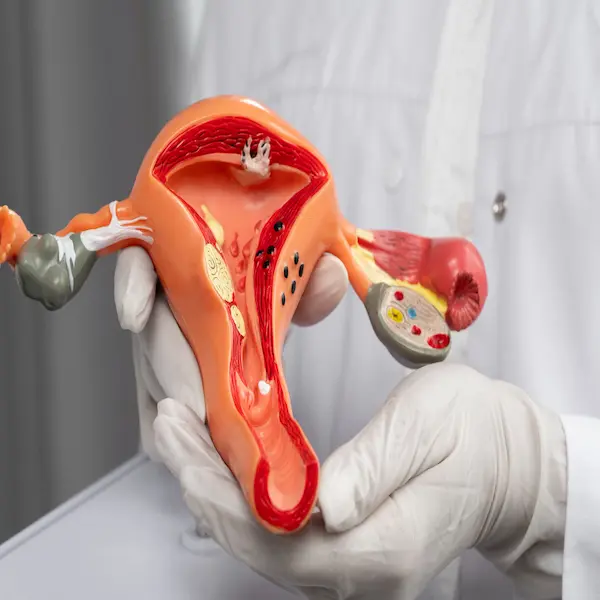
What is the difference between uterine fibroids and uterine fibroids?
The difference between uterine polyps and uterine fibroids lies in the nature of each, its place of origin, and its effect on the uterus. Uterine polyps are small tissue growths made up of endometrial cells that grow inside the uterine cavity. They are often benign, soft in size, and often cause irregular vaginal bleeding or reproductive problems.
As for uterine fibroids, they are solid muscular tumors consisting of muscle tissue in the uterine wall itself. They differ from polyps in that they are larger in size, and of muscular origin. They may cause pain and pressure on the pelvic organs, in addition to sometimes heavy bleeding, and may lead to an increase in the size of the uterus. Here we find that uterine polyps are soft growths of the lining of the uterus inside the cavity, and uterine fibroids are solid muscle tumors in the uterine wall, and each of them has different symptoms and treatment.
تعرف على: ما هي أعراض قرحة الرحم؟ وكيف يمكن علاجها؟
The difference between uterine polyposis and infertility
The difference between uterine polyps and infertility is that uterine polyps are tissue growths that grow inside the uterine cavity and are made up of cells in its lining and may affect a woman’s ability to get pregnant if they are large or numerous. As for infertility, it is the state of a woman or man being unable to conceive after a period of continuous trying without using contraceptives.
In other words, uterine diet may be a cause of infertility, while infertility is the condition that expresses the failure of pregnancy regardless of the reason, whether it is due to problems in the uterus or other factors related to the woman or man, so treating uterine diet when it is present may help improve the chances of pregnancy, while infertility may require a comprehensive evaluation and different treatment depending on the cause.
الأسئلة الشائعة:
Is it necessary to remove the uterine polyp?
It is not necessary to remove a uterine polyp in all cases. If it is small and does not cause symptoms, the condition can be followed up without surgical intervention. However, if it causes continuous vaginal bleeding, affects fertility, or causes pain, it is recommended to remove it through a hysteroscope to ensure comfort and improve the chances of pregnancy. Periodic follow-up must also be done to ensure that it does not return or the condition does not develop.
When should uterine polyps be removed?
Uterine polyps must be removed when they cause disturbing symptoms, such as irregular or heavy vaginal bleeding that affects a woman’s life, or when they affect fertility and hinder pregnancy. It is also desirable to remove them if they are large in size or continue to grow, or if analyzes show the possibility of the presence of abnormal or cancerous cells to ensure health safety, and continuous medical follow-up is necessary after removal.
Does uterine diet cause pain?
Uterine polyps usually do not cause pain, but in some cases a woman may feel a slight pain or a feeling of pressure in the pelvic area, especially if the polyps are large or multiple. Cramps or discomfort may also appear during the menstrual cycle or marital relations, but pain is not a common symptom of a diet, and if it occurs, a doctor must be consulted to confirm the cause and rule out other causes.
In conclusion, we confirm that uterine diet is a common condition that may affect a woman’s health and comfort if it is not diagnosed and treated appropriately. Therefore, it is necessary to pay attention to any abnormal symptoms such as bleeding or pain, and visiting a doctor for examination and appropriate treatment follow-up helps in preventing complications, improving health and fertility, and thus preserving the health of the uterus and reproductive functions in general.
Sources
Foods That Fight Uterine Cancer – moffitt
