
Have you ever heard of a syndrome that can turn a person's life upside down in a few days?
What is Guillain-Barré syndrome?
We can define Guillain-Barre Syndrome as a rare disorder in the body's immune system that mistakenly attacks peripheral nerves, leading to damage. This condition is believed to occur as an autoimmune reaction, and is often triggered after a minor infection, such as a respiratory or gastrointestinal infection.
Guillain-Barre syndrome is not a single type, but rather a group of disorders. These subtypes differ based on which part of the nerve is affected, whether the protective covering of the nerve, i.e. myelin, or the axon itself, and also based on the apparent symptoms.
The main types of Guillain-Barré syndrome include:
- Acute inflammatory demyelinating polyradiculoneuropathy (AIDP), where the immune system attacks the protective covering of the nerves, i.e. the myelin sheath, affecting their ability to transmit nerve signals quickly, so symptoms begin with muscle weakness and tingling in the lower extremities and then gradually spread to the upper body.
- Miller Fisher Syndrome: This type is rare and is a variant of Guillain-Barre Syndrome, in which the damage is mainly focused on the eye nerves, leading to paralysis of the eye muscles, in addition to unbalanced walking and loss of normal reflexes.
- Acute motor axonal neuropathy: In this type, the immune system attacks the axon itself, that is, the main part of the nerve cell and not the protective covering, which leads to severe muscle weakness without significant loss of sensation, and paralysis is often more severe.
- Acute motor and sensory axonal neuropathy (AMSAN): This type is one of the most severe types of the syndrome, in which the immune system attacks both the motor and sensory axons, leading to severe weakness and paralysis in addition to loss of sensation in the extremities, from which recovery is often slower and more difficult.
What are the causes of Guillain-Barré Syndrome?
Guillain-Barre syndrome is a rare but serious condition. The exact cause is still unknown, but it is not transmitted from person to person. In most cases, symptoms appear a few days or weeks after a person is exposed to a specific infection. This is the factor most closely linked to Guillain-Barre syndrome, as approximately 60-70% of cases occur after a previous infection.
The most common reasons and triggers include the following:
- Infection with Campylobacter jejuni bacteria, which is the most common trigger and is found in undercooked poultry and in unpasteurized dairy.
- Epstein-Barr virus infection: which causes mononucleosis.
- Cytomegalovirus infection.
- Zika virus infection.
- Influenza virus infection.
- COVID-19 virus infection: Cases of Guillain-Barré syndrome have been reported as a rare complication of infection with the new coronavirus.
- Herpes virus infections, including the varicella zoster virus that causes chickenpox and herpes zoster.
- After taking vaccines, which is very rare such as the old flu vaccine and COVID-19 vaccines such as the AstraZeneca vaccine, as a very rare side effect.
- Major surgeries or surgical procedures.
- Severe physical injuries.
- Organ transplantation.
- Certain tumors.
Learn about: Rett syndrome Causes, symptoms and ways to deal with this rare neurological disorder
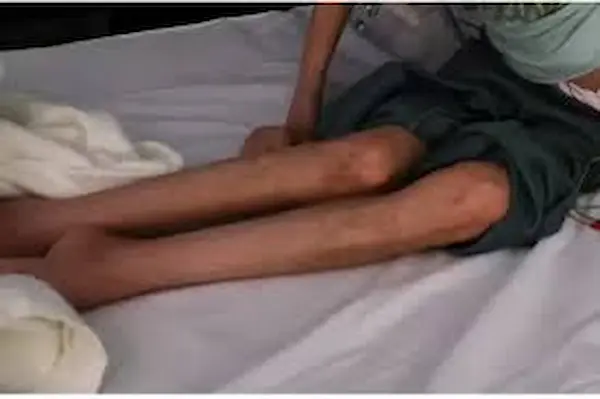
Symptoms of Guillain-Barré syndrome
Symptoms of Guillain-Barre syndrome usually appear quickly and escalate rapidly, often reaching their peak within two to four weeks. This syndrome is characterized by weakness that begins in the extremities, hands and feet, and ascends toward the trunk. This is called ascending diplopia.
The main and common symptoms include the following:
- Muscle weakness and numbness, often starting as tingling or numbness in the toes and feet, then in the fingers and hands.
- Ascending muscle weakness in both legs, often from the feet up to the thighs and pelvis, then moving to the arms and upper body.
- Difficulty walking, unsteadiness, and loss of muscle coordination, and may develop into an inability to walk or stand.
- Suffering from deep, severe, cramping or stabbing pain, often in the lower back or legs, and this pain can be debilitating and difficult to control.
- Disturbance of the body's automatic functions due to nerve inflammation.
- Significant fluctuations in blood pressure from a sudden rise or fall.
- Changes in heart rate, such as slow or abnormally fast heart rate.
- Excessive sweating or lack of sweating.
- Facial paralysis resulting from weakness in the facial muscles, which leads to difficulty closing the eyes, smiling, or expressing.
- Difficulty in swallowing and speaking i.e. slurred speech, due to weak muscles in the throat and mouth.
- Difficulty controlling the bladder or bowel in advanced cases.
- In severe cases, paralysis can weaken the chest muscles and diaphragm, causing severe difficulty breathing and feeling short of breath, and may require the patient to be placed on a ventilator in intensive care.
How can Guillain-Barre Syndrome be diagnosed?
Diagnosing Guillain-Barre Syndrome may be difficult at first because its symptoms resemble other neurological diseases. The diagnosis depends on a group of factors and not one conclusive examination. Doctors at Almoosa Specialist Hospital follow a diagnostic process that includes:
- Medical history and clinical examination, where the doctor asks about the onset and development of symptoms. The ascending pattern of symptoms is the most distinctive sign. The doctor will also look for any previous infection in the weeks before the symptoms appear.
- Neurological examination. The doctor checks tendon reflexes and finds loss of reflexes, such as a knee that does not move when tapped with a hammer. The examination is a classic sign of Guillain-Barré syndrome.
- Performing a strength test in the arms, legs, and hands, feeling light touch, vibration, posture, balance, and walking.
- Performing a lumbar puncture, which is withdrawing a small amount of cerebrospinal fluid that surrounds the brain and spinal cord from the lower back and examining it. The analysis often shows an increase in the protein level while the number of white blood cells is normal. This pattern is called protein-cell separation.
- Nerve conduction study (NCS), to measure the speed and efficiency of signal transmission. The speed of conduction is slow due to damage to the myelin membrane in the case of the syndrome.
- Electromyography (EMG), to measure electrical activity in the muscles. This helps determine whether the weakness is due to damage to the nerves or to the muscles themselves.
- Other tests, to rule out similar diseases such as certain blood tests to rule out other infections, metabolic problems, or vitamin deficiencies that can cause similar neurological symptoms.
- Magnetic resonance imaging (MRI) of the spine, to rule out other conditions such as pressure on the spinal cord due to a herniated disc or inflammation.
When should you visit a doctor immediately?
If you suspect symptoms of Guillain-Barre Syndrome, you should visit a doctor or go to the emergency room immediately when any of the following signs appear, especially if they develop rapidly:
- Difficulty breathing or shortness of breath.
- Abnormal acceleration of breathing, or a feeling of heaviness in the chest.
- Difficulty swallowing and frequent choking when eating or drinking.
- Difficulty speaking or slurred speech.
- Sudden weakness of the facial muscles, such as difficulty closing the eyes or smiling.
- Inability to walk, stand, or climb stairs.
- Severe dizziness or fainting when standing due to low blood pressure.
- Loss of bladder or bowel control in advanced stages.
- Severe spastic pain in the muscles, especially in the back or legs, accompanied by weakness or numbness.
Methods of treating Guillain-Barré syndrome
The treatment of Guillain Syndrome at Almoosa Specialist Hospital aims to three main things: stopping the immune system’s attack on the nerves, managing the symptoms, and starting the rehabilitation process.
Treatment usually takes place in a hospital, often in an intensive care unit to closely monitor vital functions such as breathing and heartbeat. Treatment steps include the following:
-
Initial treatments to stop immune attack
This stage depends on two treatments that are essential in the acute stage of the disease, both of which have similar effectiveness and aim to extinguish the abnormal immune response, which are:
- Intravenous immune globulin is healthy antibodies given to the patient intravenously that neutralize the harmful antibodies that attack the nerves. It is the preferred treatment in many cases because it is easier to develop and has fewer side effects, and the treatment period usually takes 5 days.
- Plasmapheresis, the plasma containing harmful antibodies is separated from the blood cells, and the blood cells are then returned to the body with replacement fluids or plasma from a donor, effectively removing the antibodies that attack the nerves from the bloodstream. The procedure is usually done for 4-6 sessions on consecutive days.
-
Supportive treatment and hospital care
This part is very crucial for preventing complications and managing symptoms while the nerves are healing and depends on:
- Support breathing, by regularly monitoring breathing functions. The patient may need a ventilator to help breathe until the muscles recover.
- Pain management, using painkillers such as paracetamol or opioid analgesics in severe cases.
- Neurological medications such as gabapentin or carbamazepine which are very effective for nerve pain.
- Preventing complications of blood clotting due to lack of movement, as the patient is given blood thinners such as heparin and wears compression stockings.
- Protection against bed sores as the patient's position is changed frequently.
- Dealing with heart and blood pressure problems.
- Use a feeding tube if swallowing is difficult to ensure that the body receives adequate nutrition.
-
Rehabilitation phase
After the condition stabilizes and the recovery phase begins, the long rehabilitation process begins and includes:
- Physical therapy, to maintain muscle flexibility and prevent atrophy, and teach the patient to walk and move again.
- Occupational therapy, to help the patient learn daily skills such as eating, dressing, and writing.
- Speech therapy, if there are problems with swallowing or speech.
- Psychological support, dealing with the anxiety and depression that may accompany this difficult experience.
Book your consultation now at Neuroscience Center At Almoosa Specialist Hospital.
How to live with Guillain-Barré Syndrome
Living with Guillain-Barre Syndrome is a journey that requires extreme patience, strong will, and integrated support, as it focuses on long-term physical and psychological recovery. We offer you these tips:
- Commitment to a phase of rehabilitation, because physical therapy is necessary to restore muscle strength, balance and movement and occupational therapy helps you learn independence in performing daily skills.
- Learn to manage chronic pain and symptoms. Nerve pain or numbness may last a long time, try to find effective medications with your doctor such as gabapentin or amitriptyline to control the pain.
- Learn relaxation techniques such as deep breathing or meditation.
- طلب الدعم النفسي، حيث يساعد العلاج السلوكي المعرفي في التعامل مع القلق والاكتئاب أو صدمة التجربة.
- Join a support group. Connecting with other Guillain-Barre syndrome survivors can reduce feelings of isolation and give you practical advice.
- Be patient with yourself, accept that recovery is a slow process, and celebrate small progress.
- Secure the house, remove slippery carpets, install grab bars in the bathroom, or use a shower chair.
- Regulating energy and coping with chronic fatigue by taking frequent breaks and not exhausting yourself.
- Visit a neurologist regularly to monitor progress and treat any late complications.
- Pay attention to symptoms that may require immediate intervention, such as difficulty breathing or new severe pain.
- Follow a balanced diet rich in vitamins, especially B group, and protein to support and repair nerves.
FAQs
Is Guillain-Barré syndrome contagious?
No, Guillain-Barre Syndrome is not a contagious disease at all. You cannot become infected through contact with an infected person, whether that is through touching, breathing, sharing food or drink, or any other form of normal contact, as the nature of the disease is an autoimmune disease.
How long does it take to recover from it?
Recovery from Guillain-Barre Syndrome is a slow process and varies greatly from one person to another. There is no fixed timetable, but the stages can be divided, as the early recovery stage may take from 4 weeks to 6 months, the fastest period of noticeable improvement as the body begins to repair the damaged nerves, and much strength and function returns relatively quickly.
While the late recovery phase takes from 6 months to two years, as the pace of improvement slows down and most patients reach the maximum degree of recovery during this period, but after two years, any symptoms or weakness that persist after this period is most likely considered a permanent effect of the disease.
In conclusion, Guillain-Barré syndrome is one of the major health challenges that requires careful awareness and immediate medical response. Despite the seriousness of the symptoms that may reach paralysis, the recovery journey is possible and depends greatly on the quality of medical care provided.
Hence, Almoosa Specialist Hospital stands out as a pioneering model in providing this integrated care. Thanks to the experience of its specialized medical staff, and the use of the latest diagnostic and therapeutic technologies, the hospital contributes effectively to supporting patients, starting from the stage of accurate diagnosis, passing through the provision of advanced treatments, and then reaching comprehensive rehabilitation programs that aim to gradually restore the body’s functions.
Do not hesitate to visit us to obtain optimal advice and treatment, or call the numbers listed on the website for more details, reservations, and inquiries.
Sources
What Is Guillain-Barré Syndrome? – webmd
Guillain-Barre Syndrome – medlineplus
