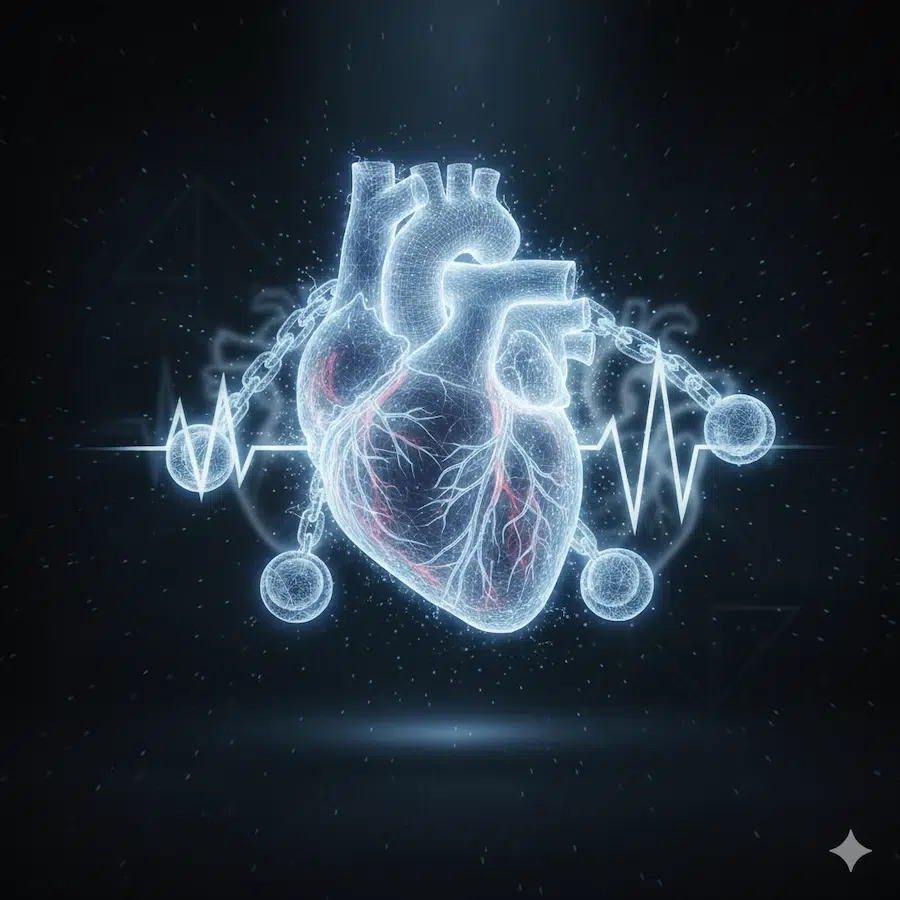
Heart failure is a chronic disease that develops over time and may lead to serious complications if we neglect to take care of our heart health.
What is heart failure?
Heart failure a, Heart failure It is a chronic medical condition in which there is a weakness in the heart’s ability to pump blood efficiently enough to meet the body’s needs. It does not mean that the heart stops working, but it works at a lower effort than normal.
Therefore, the disease greatly affects the patient's quality of life, as he feels a decline in the body's ability to withstand physical effort, and he may wake up repeatedly at night due to shortness of breath.
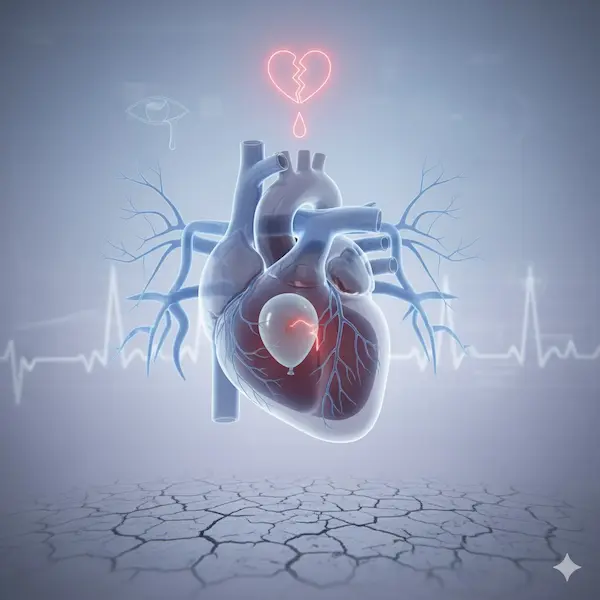
Types of heart failure
There are many types of heart failure depending on the affected part of the heart or the degree of development of the condition. They are as follows:
- Systolic heart failure: It occurs when the ability of the heart muscle to contract is weakened, so the heart is forced to pump blood with less force. It is the common type.
- Diastolic heart failure: It is related to a problem in the relaxation of the heart such that it is unable to fill with blood sufficiently in the resting phase between beats. This leads to fluid accumulation and gradual failure.
- Left heart failureIt affects the left side of the heart, which is responsible for pumping blood to the body. Symptoms appear in the lungs, such as shortness of breath, coughing, and swelling of the extremities.
- Right heart failureIt affects the right side, which is responsible for pumping blood to the lungs. Symptoms of fluid accumulation in the body appear, such as swelling in the feet and abdomen. It may occur as a result of failure of the left side or chronic lung disease.
- Acute heart failure: It is a sudden worsening of symptoms, which may occur after a heart attack or a sudden heart infection, and requires immediate treatment.
- Chronic heart failure: A condition that develops gradually over months or years due to chronic heart disease such as high blood pressure or coronary artery disease, and its treatment focuses on managing symptoms and preventing deterioration.
Read also: What is a heart attack?
Causes of heart failure and factors that increase the risk of developing it
Heart failure does not occur suddenly. Rather, it results from a combination of factors that accumulate over time and gradually weaken the heart muscle, eventually causing it to decline in its ability to pump blood efficiently.
The most important of these factors are the following:
- Coronary artery disease and heart attacksNarrowing or blockage of the arteries supplying the heart muscle reduces the flow of blood and oxygen, causing damage to the heart muscle and its failure to pump blood efficiently.
- Chronic high blood pressureHigh blood pressure places an additional burden on the heart, forcing the heart to pump blood more forcefully, and over time its muscles weaken and cause failure.
- Heart valve diseases: Such as mitral valve obstruction or leakage in the valves, which leads to a disturbance in the movement of blood within the heart, forcing the heart to work extra hard, and over time, this leads to weakness of the heart muscle.
- CardiomyopathyIt is a group of diseases that lead to weakness or stiffness of the heart muscle, such as heart enlargement caused by genetic causes, the toxic effects of alcohol and toxins, or inflammatory diseases (such as myocarditis).
- Diabetes and obesity: It contributes to doubling the risk of heart failure.
- Chronic lung diseases: Such as chronic obstructive pulmonary disease or high pulmonary pressure, which leads to the right side of the heart being strained and gradually failing.
- Renal and immune diseasesSome advanced kidney and liver diseases contribute to fluid retention.
- Genetic and congenital factorsSome people are born with congenital heart defects or genes that increase the risk of heart failure in later stages of life.
- Behavioral factorsSmoking, excessive alcohol consumption, a diet high in fat and salt, and lack of physical activity are all factors that increase the risk of infection.

What are the symptoms of heart failure?
Its symptoms vary depending on the severity and type of the disease, and often worsen gradually They are as follows:
- shortness of breath: During any effort or even at rest as the disease progresses, and it may appear at night when lying down (sudden feeling of suffocation during sleep).
- Constant fatigue and exhaustion: A feeling of low energy, even with simple activity such as taking a shower or climbing the stairs.
- Swelling of legs and ankles: Resulting from fluid retention in the body, and the swelling may reach the abdomen (ascites) or around the heart and lungs.
- Rapid weight gainDue to fluid retention, the patient's weight may gain several kilograms within a few days.
- Increased heart rate or palpitations: The heart is trying to compensate for its poor efficiency, and you may feel an irregular or rapid pulse.
- Persistent cough with white or pink phlegm: Caused by fluid accumulation in the lungs.
- Loss of appetite and nausea: Due to the accumulation of fluids in the abdomen and their pressure on the stomach and intestines.
- Dizziness and sometimes fainting: As a result of poor blood pumping to the brain.
- Hoarseness or bulging of veins in the neck: Signs of blood flow problems or congestion in the vascular system.
Read also: Symptoms of cardiac arrest are danger signs that should not be ignored
Diagnosis of heart failure
The doctor diagnoses this disease through: A set of tests and procedures:
- Clinical examination and medical historyThe doctor begins by asking the patient about symptoms (shortness of breath, swelling, or fatigue), family history of illness, and risk factors (high blood pressure, diabetes, or smoking).
- Blood tests: To measure the function of the kidneys, liver, and thyroid, and the level of heart hormones (such as BNP or NT-proBNP) that are usually elevated in heart failure.
- Electrocardiogram (ECG): To identify heart rhythm disturbances (such as atrial fibrillation), signs of an old heart attack, or underlying left ventricular failure.
- Chest X-ray: It shows the size of the heart (enlargement) and the presence of fluid in the lungs or around the heart, and rules out other diseases.
- Ultrasound of the heart (cardiac echo): The most important test for diagnosing heart failure, as it measures the extent of contraction of the ventricles, the size and function of the heart, and detects valve disease or leakage in the heart.
- Other tests as needed: A cardiac MRI or CT scan, electrical stress tests, or cardiac catheterization may be ordered to investigate narrowing of the arteries in anomalies.

Can heart failure be treated?
Treatment aims to reduce symptoms and improve quality of life, Preventing deterioration and increasing dependence on effective medications:
- Medicines to treat heart failure
Includes multiple classes working collaboratively To reduce the burden on the heart:
- Angiotensin-converting enzyme inhibitors (ACE inhibitors) such as lisinopril and captopril, to dilate blood vessels and lower blood pressure, which reduces heart function.
- Angiotensin receptor blockers 2 (ARBs) such as losartan, used instead of enzyme inhibitors if intolerable, have the same cardiac outcome.
- Beta blockers (such as metoprolol or bisoprolol) which slows the heartbeat and improves its function over time.
- Diuretics (such as furosemide) are necessary to get rid of excess fluids from the body, thus reducing swelling and shortness of breath
- Aldosterone antagonists (Calspironolactone), helps retain excess fluid and protect the heart from damage.
- digoxin, A medicine that intensifies the heart's contraction and regulates its rhythm. It is used in some cases to relieve dependence on rapid heartbeats
- Effective new medicines: Such as SGLT2 inhibitors (caldapagliflozin), which have shown significant benefits in alleviating symptoms of heart failure and reducing hospitalizations, even for people without diabetes.
- Non-surgical and surgical interventions:
Sometimes a patient needs special medical procedures; Almoosa Hospitals It has the latest modern medical devices and protocols to complete these procedures at the best level.Mention of it
- installation Pacemaker (Pacemaker) and special cases device مقوِّم نظم القلب (ICD) To prevent sudden cardiac arrest due to arrhythmia.
- installation Left ventricular assist (LVAD) is a mechanical device that is temporarily installed to improve blood flow in severe cases while the patient waits for a heart transplant.
- Coronary interventions Such as catheterization, opening of the arteries with a balloon, or heart bypass surgery in the event of narrowing of the feeding arteries.
- Heart valve surgery: Repair or replace damaged valves to improve blood flow.
- Heart transplant: In extreme cases of advanced heart failure that does not respond to drug treatment, a new heart transplant is performed for the patient.
- Lifestyle change: Plays an essential role in the treatment and management of heart failure:
- Reduce salt and sodium intake in food to reduce fluid retention.
- Commit to a balanced diet rich in fruits, vegetables, and whole grains and containing healthy fats, and stay away from fatty and fried foods.
- Maintain a healthy weight and do light exercise (such as daily walking) with the advice of a doctor. Regular activity contributes to strengthening the heart muscle and improving fitness.
- Quit smoking and avoid or severely reduce alcohol.
- Monitor symptoms, blood pressure and sugar levels regularly, and adhere to medications according to the doctor’s instructions without interruption.
Read also: Arrhythmia: Here is a final, successful solution with Almoosa Hospital
Prevention and management of the disease at home
There are several tips that help patients with heart failure or those at risk of it reduce the deterioration of their condition: The most important of which are:
- Control risk factorsMaintaining blood pressure and sugar within normal ranges through diet and medications.
- Periodic medical follow-up: Conduct regular examinations with a cardiologist to monitor heart function and adjust treatment when needed.
- Monitor weight dailyRapid gain (two or more kilograms in two days) may indicate retention Fluids Requires a doctor's review.
- Family educationInvolving family members in the care plan contributes to supporting the patient and noticing any changes in the health condition.
- Avoid infectionsReceiving seasonal vaccinations against influenza and pneumonia, as these chest diseases may worsen heart failure.
- Managing stress and stress: Avoid psychological stress and stay away from situations that increase heart rate and blood pressure.
FAQs
Can heart failure be treated permanently?
Heart failure is not completely cured, but medications and lifestyle modifications can effectively control symptoms and improve quality of life.
What is the difference between heart failure and a heart attack?
A heart attack is acute damage to the heart muscle due to a blocked artery, while heart failure is a chronic weakness in blood pumping that may result from previous heart attacks or other diseases.
How do I react if shortness of breath suddenly increases?
Go to the emergency room immediately, sit upright with your back supported, and breathe deeply until medical help arrives.
Can athletes exercise if they have heart failure?
Light exercises, such as walking, can be performed under the supervision of a doctor, while avoiding extreme exertion that may aggravate the condition.
Conclusion
Do not let the risk of heart failure pass without careful medical follow-up.
We are here to support you, and we are happy to do so Contact us to schedule a consultation With our specialist doctors or to get the medical advice you need..