
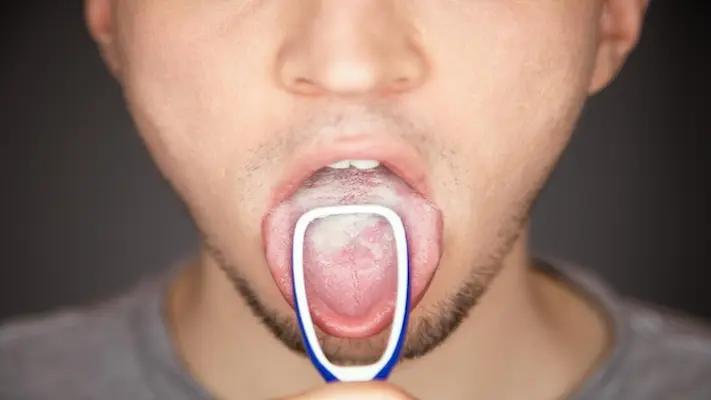
Some people may see white dots that suddenly appear in the inside of the mouth or on the tongue without understanding their causes. They may initially think that they are just residue from drinking milk, but they soon discover that they are oral thrush.
Let's take a look together at this common condition and discuss in detail how to treat it and the means available to prevent it.
Oral thrush
Oral thrush or oral thrush, also known as oral candidiasis, is a fungal infection caused by an overgrowth of a fungus called Candida in the mouth.
Are fungi transmitted from one person to another?
Oral thrush is not usually transmitted from person to person in healthy people, but it is more likely to be transmitted in certain situations, such as from mother to infant during breastfeeding or in individuals with a weakened immune system or certain medical conditions.
Fortunately, oral thrush can be easily diagnosed by doctors and treated effectively.
Causes of mouth and tongue fungi
Candida is usually found in the mouth in small quantities. Some factors can contribute to an increase in its quantity, leading to the appearance of oral thrush.
These factors include:
- Taking antibiotics, which can upset the natural balance of microorganisms in the mouth.
- Weakened immune system, such as having HIV/AIDS or undergoing treatment that suppresses the immune system, such as chemotherapy.
- Use inhaled corticosteroids for conditions, such as asthma, that can increase the risk of them developing in the mouth.
- Wearing dentures that do not fit properly in the jaw or are not cleaned regularly.
- Lack of attention to oral and dental hygiene.
- Having some underlying health conditions, such as diabetes or vitamin deficiency.
Types of oral fungi
One of the most famous types of oral fungi that infect the mucous membranes of the mouth is Candida albicans. This fungus is divided into several types that cause different cases of oral diseases, including:
- Candida albicans: It most commonly causes oral candidiasis, which appears as white spots on the tongue and inside of the cheeks.
- Candida inguinales: It mostly affects the elderly or patients who are accustomed to taking antibiotics and immunosuppressants frequently.
- Tropical candidiasis: It is less common than other types and appears in people with weakened immunity caused by cancer or diabetes.
- Candida barpsillosis: Candida Parpsilosis is infected by people who use respirators for a long period of time. It causes severe infections in the mouth and is accompanied by infection in the body.
You can also read: Causes of yellowing teeth in women
What are the risk factors for tongue thrush?
Although oral thrush can affect anyone, some people are more susceptible to infection due to the following factors:
- Age: Infants and the elderly are more susceptible to oral thrush due to their weak immune systems.
- Dry mouth: Saliva helps keep the mouth clean and maintain a healthy balance of microorganisms.
- Smoking: Tobacco use can weaken the immune system and affect the balance of microorganisms in the mouth.
- Weakness of the immune system in patients with autoimmunity, cancer, and others.
- Diabetes, which promotes the growth of Candida fungi in the oral environment.
What are the symptoms of oral thrush?
Symptoms of stomatitis vary depending on the severity of the infection, but are mainly white lesions or spots in the mouth, tongue, inner cheeks, and sometimes on the roof of the mouth, gums, and tonsils.
This fungus can cause redness, burning, or pain in the mouth, and may bleed if scraped or brushed.
Some common symptoms of oral thrush include a temporary loss of taste or bad taste, and cracks in the corners of the mouth.
In severe cases, lesions may spread to the esophagus, causing difficulty swallowing and pain or a feeling of food being stuck in the throat or mid-chest area.
How is oral thrush diagnosed?
Oral thrush is usually diagnosed based on the appearance of these white spots in the mouth.
Oral fungus treatment
Therapeutic medications aim to stop the growth of Candida yeast and restore the natural balance of microorganisms in the mouth. In addition to relieving symptoms, common treatment options include:
- Topical antifungal medications, which are in the form of gels or liquids, can be applied directly to the affected areas of the mouth.
- Oral antifungals: In more severe cases or when the infection has spread outside the mouth, your doctor may prescribe oral medications.
- Caring for dentures: If dentures contribute to the development of oral thrush, cleaning them properly and regularly is essential for treatment and prevention.
How long does it take to treat oral thrush?
A course of treatment usually lasts 10 to 14 days, depending on the individual's age and the cause of the fungal infection. Good oral hygiene practices, such as regular brushing and flossing, are essential to prevent the spread of the fungus.
It is important to complete the full dose of medication even if symptoms improve before the recommended duration of treatment has finished.
Is oral thrush dangerous?
In most cases, oral thrush is a simple condition that can be easily treated. However, if left untreated, the infection may continue to get worse.
In cases of severe infection or when the immune system is weak, the infection may spread to other parts of the body, leading to more severe complications, such as esophagitis, which causes pain and difficulty swallowing.
In rare cases, the infection can enter the circulatory system and spread throughout the body, requiring immediate treatment.
Tips to help treat mouth fungi
Learn with us, dear reader, about tips that help treat oral fungi presented to you by the doctors at Almoosa Specialist Hospital:
- Drink plenty of water, especially after eating solid food, so that food does not remain stuck in the mouth.
- Replace the toothbrush after completing treatment and any tools previously used during the infection.
- Take good care of oral hygiene, use appropriate mouthwash, and rinse your mouth with warm water and salt.
- Rely on foods that help strengthen immunity, and it is preferable to use appropriate nutritional supplements.
- Stay away from some foods, such as sour foods and spicy foods, that increase mouth infections.
How can oral fungi be prevented?
There are several steps you can take to reduce the risk of oral thrush, the most important of which are:
Practice good oral hygiene, the most important of which are:
- Brush your teeth twice daily using fluoride-fortified toothpaste.
- Use dental floss regularly.
- Rinsing with water after meals.
- Make periodic visits to the dentist for examination.
- Take care of your dentures and clean them regularly, if any.
- Quit smoking and avoid drinking alcohol, as they affect the natural balance of microorganisms in the mouth.
- Controlling chronic medical conditions, such as diabetes and vitamin deficiency.
FAQs
What vitamin deficiency causes oral thrush?
Oral fungi are usually caused by a weak immune system that occurs due to a deficiency of some vitamins such as vitamin B12, vitamin C, folic acid, and also vitamin D, which weakens the immune system and increases the growth of fungi.
Is vitamin D antifungal?
Yes, vitamin D is an antifungal, but indirectly, as it strengthens the immune system, which kills harmful bacteria and fungi, in addition to reducing inflammation resulting from fungal infections, which helps the body overcome the infection.
Does oral thrush go away on its own?
No, in many cases, oral fungi do not go away on their own. Rather, the main cause of the fungus must be removed and the resulting infection treated with specialized medications, while working to strengthen the immune system to resist oral fungi.
What is the most powerful antifungal?
To identify the most powerful antifungal, you must go to the doctor and ask about the appropriate medications because there is a group of antifungals that each does its job in treating oral fungi, the most important of which are itraconazole, fluconazole, and amphotericin B for cases of severe fungal infections.
In conclusion, it appears that seeing white dots in the inside of the mouth and on the tongue are not the remains of a cup of milk, and treating them is necessary even if they are not painful.
Sources and references