
Certainly, the experience of miscarriage is physically and psychologically difficult, and the uterus may then need to be completely cleaned to remove any remaining tissue, which is vital for restoring and maintaining reproductive health. It plays a pivotal role in this process, as it helps the uterus contract and expel remaining tissue, thus reducing the risk of infection or excessive bleeding. Follow with us this article from Al Mousa Specialist Hospital. We will highlight the best uterine cleaning medications after miscarriage, how to use them, and potential side effects, to help women make informed decisions about their health after this.
What are the medications to clean the uterus after a miscarriage?
After a miscarriage, the uterus is cleaned to ensure that all remnants of the pregnancy are removed through a surgical procedure, such as dilation and curettage, or using medications.
Uterine cleansing medications after a miscarriage mainly work to stimulate uterine contractions and expel remaining tissue. Common medications include the following:
- Misoprostol: It is the most widely used medication. It works to stimulate uterine contractions and soften the cervix, which helps expel uterine contents. It can be used orally, sublingually, or vaginally.
- Mifepristone: It is often used in combination with misoprostol, and it works to prevent the action of the progesterone hormone necessary for the continuation of pregnancy, which leads to stopping the growth of the pregnancy and preparing the uterus for expulsion. It is usually taken orally, then followed by misoprostol after a certain period.
- Antibiotics, the doctor prescribes not to clean the uterus but to prevent or treat infection, especially if there is a risk of infection in the uterus.
- Painkillers, to relieve pain and cramps that may occur during or after uterine cleaning.
- Nutritional supplements, such as folic acid, to support women's health after miscarriage.
What are the best medications to clean the uterus after a miscarriage?
The best post-abortion cleansing medications are those that are considered the most effective and safe, and are commonly recommended by doctors to manage a medical miscarriage or to help dislodge remaining tissue after an incomplete spontaneous miscarriage.
The two main medications in the process of cleaning the uterus after a miscarriage are misoprostol and mifepristone, and this combination is considered the best, as studies and clinical trials have shown that the combination of mifepristone first and then misoprostol after 24-48 hours is the most effective and safe protocol for medical abortion and for the management of incomplete spontaneous abortion, especially in the first weeks of pregnancy.
This composition also achieves high success rates in removing all pregnancy tissue, which reduces the need for surgical intervention such as dilatation and curettage, but these medications should never be used without careful consultation and direct supervision from a specialist doctor.
Find out: what it is اسباب نزيف الرحم ؟ الاعراض وطرق العلاج
What is the surgical procedure to perform uterine cleaning after a miscarriage?
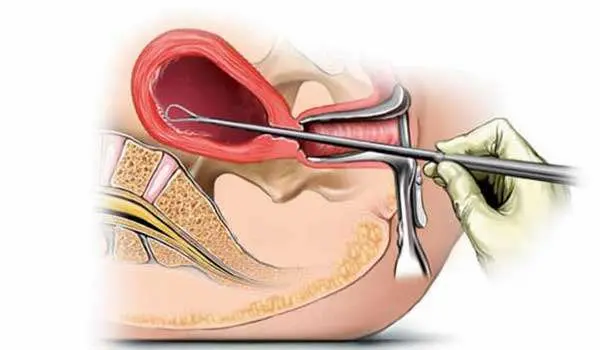
Dilatation and curettage is a common surgical procedure to clean the uterus after a miscarriage in order to remove any remnants of pregnancy tissue, such as the placenta or fetus. The steps for performing it include the following:
- Anesthesia: D&C is usually performed under general anesthesia, but local anesthesia for the cervical area only or spinal anesthesia may be used depending on the patient's condition and the doctor's preference.
- Cervical dilation: The doctor inserts a speculum into the vagina to stabilize the cervix and see it clearly. Then the doctor uses a series of thin and increasingly thick instruments, called dilators, to gradually expand the cervix to reach the uterine cavity.
- Curettage or suction, a curette is inserted into the uterus, which is a thin, spoon-like surgical instrument with a sharp edge to scrape and remove remaining tissue from the lining of the uterus. Also, the doctor may use a suction device to gently remove tissue from the uterine cavity.
When do we resort to a surgical procedure to clean the uterus after a miscarriage?
Doctors at Al Mousa Specialist Hospital resort to surgical procedures to clean the uterus, such as dilation and curettage, after a miscarriage in certain cases, including:
- Incomplete miscarriage: This is a common condition for surgical intervention, in which part of the pregnancy contents is expelled, but another part, such as the remains of the placenta or fetal tissue, remains inside the uterus, and symptoms appear in the form of continuous and heavy vaginal bleeding, persistent abdominal pain, fever, or foul-smelling discharge.
- Missed miscarriage: When the fetus stops growing or dies, but remains inside the uterus and is not expelled spontaneously. The woman may not show any clear symptoms of miscarriage and discover this by chance during the examination. In this case, drug management or watchful waiting can be resorted to, but if these options are not effective or the patient prefers a quick solution, the surgical procedure is resorted to.
- Severe or persistent vaginal bleeding: To the point that it causes anemia or threatens the patient’s life, a surgical procedure becomes necessary to stop the bleeding and remove any residue that is causing it.
- The appearance of signs of infection in the uterus: such as fever, chills, severe pain, and vaginal discharge with a foul odor, due to tissue remnants inside the uterus.
- Ineffectiveness of drug management or watchful waiting: That is, after using medications to clean the uterus after the abortion and no signs of completion of the abortion appear after the observation period, then surgical intervention becomes the next option to ensure complete cleaning of the uterus.
- Patient preference: Some women prefer surgical intervention to using medications to clean the uterus after a miscarriage and wait because they want the procedure to end quickly, or to avoid side effects of medications such as nausea, diarrhea, and severe cramps, or the need for psychological relief from uncertainty.
Book your consultation now at مركز صحة المرأة At Al Mousa Specialist Hospital.
The most important tips for cleaning the uterus after a miscarriage
After experiencing a miscarriage, whether spontaneous or medical, the woman’s body goes through a sensitive period that requires special care to ensure the recovery of the uterus, prevent future complications, and ensure the return of reproductive health. We guide you with these tips to help you:
- Adhere to medical instructions precisely. Whether your doctor prescribes medications to clean your uterus or recommends a surgical procedure, it is necessary to adhere to specific doses, appointments, and instructions.
- Periodic follow-up to evaluate the success of the cleaning process and ensure that there are no residues or complications.
- Expect heavy menstrual bleeding and cramps similar to menstrual pain are normal and expected after a miscarriage, and indicate that the uterus is expelling tissue.
- Use sanitary pads and avoid using tampons or menstrual cups to prevent bacteria from entering the uterus and reduce the risk of infection.
- You can use over-the-counter painkillers such as ibuprofen or paracetamol to relieve cramping and pain, unless your doctor recommends otherwise.
- Wash the perineal area with warm water and gentle soap regularly.
- Avoid inserting anything into your vagina for at least two weeks or as directed by your doctor, so avoid vaginal intercourse, douching, and bathing in public bathtubs or pools.
- Adequate rest and avoid strenuous physical activities for several days to a week.
- Eat healthy foods rich in iron and vitamins to support recovery and replace lost blood. Fluids are also important to maintain hydration.
- Be aware of danger signs and call your doctor immediately, including bleeding that is so heavy that you soak two large pads in one hour for two hours in a row, fever or severe pain that does not go away with pain relievers, or a foul-smelling vaginal discharge.
Frequently asked questions
Can Mizotac rivet be used to clean the uterus after a miscarriage?
Yes, Mizotake pills, also called Misoprostol, can be used in some cases, as it is one of the medications for cleaning the uterus after incomplete miscarriage or spontaneous abortion, but this must be under close medical supervision to determine the appropriate dose and avoid risks.
Mizotake stimulates uterine contractions to expel remaining tissue, and helps prevent complications such as severe bleeding or infection.
What should I drink after a miscarriage?
After a miscarriage, the body needs good hydration and proper nutrition to replace lost blood and support recovery. The most important beneficial drinks after a miscarriage include the following:
- Lukewarm or warm water, drink 8-10 cups daily.
- Warm, caffeine-free herbal teas such as chamomile tea can soothe the nerves and reduce cramps.
- Or mint tea because it relieves nausea and flatulence.
- Ginger with honey, because it reduces inflammation and boosts immunity.
- Drink cinnamon, but in moderation, as it helps stimulate blood circulation and clean the uterus.
- Pomegranate juice, as it compensates for iron deficiency and supports the production of red blood cells.
- Apple and beet juice, because it is rich in folate and iron to fight anemia.
- Orange juice is rich in vitamin C, which enhances iron absorption.
- Chicken or meat broth, because it is rich in minerals and restores energy.
- Lentil soup, an excellent source of iron and protein.
What is the best antibiotic after miscarriage?
It is not recommended to take any antibiotics after a miscarriage except with a precise medical prescription, because the doctor determines the appropriate type based on your health condition and the presence of any infection.
In general, the most common antibiotics that doctors prescribe after a miscarriage include:
- Doxycycline, to prevent uterine infections after abortion, especially surgical abortion.
- Metronidazole, to prevent vaginal or uterine bacterial infections.
- Azithromycin, an alternative to doxycycline if there is an allergy to it.
In conclusion, cleaning the uterus after a miscarriage is a crucial step to ensure a woman’s recovery and long-term health. After we reviewed in this article the most important medications for cleaning the uterus after a miscarriage, it is very important to emphasize that choosing the most appropriate medication and using it must always be done under the supervision of a specialist doctor, as the health condition of each woman may differ.
Al Mousa Specialist Hospital provides its distinguished services in this field, providing an integrated and comprehensive care environment, starting from accurate diagnosis through effective treatment to the psychological support that women need during the recovery period, with a specialized medical team equipped with the latest technologies and knowledge.
Do not hesitate to visit us to obtain optimal advice and treatment, and you can contact us on our numbers listed on the website for more details, reservations and inquiries.
Sources
D&C Procedure After a Miscarriage – americanpregnancy
