
Quite a few people suffer from the problem of enlargement of the cornea of the nose, which is one of the things that affects the sense of smell as well as the tone of the voice, in addition to the annoying pain that the patient suffers from. Note that the number of corneas in the nose is 3, and they are passages inside the nasal cavity that work to prepare dry air and moisturize it before entering the respiratory system. However, when a problem occurs in it due to sinusitis or any other reason, it requires immediate examination and diagnosis by a trustworthy specialist, so it is preferable to visit Al-Mousa Specialist Center in order to receive integrated medical care, and for more information.
What is keratoconus?
They are long, narrow, twisted passages located in the nasal cavity and are an integral part of it. Each nostril consists of 3 corneas, each of which contains a group of soft tissues, and is known as the lower, upper, and middle cornea.
The cornea of the nose works to soften and warm dry air, as well as moisturize it before it enters the respiratory system, due to its proximity to the diaphragm, the nasal separation, and the cartilage of the nose.
But when you are exposed to the problem of inflation, the air entering the respiratory system is blocked, and thus many types of infections occur, in addition to breathing problems, in addition to the possibility of bleeding.
Note that this may affect only one cornea or all three, so it is necessary to go to the treating physician in order to solve the problem and find out the causes before the condition worsens, which in turn affects the patient’s quality of life.
Causes of keratoconus
There are many causes of nasal corneal hyperplasia, and the most prominent of these causes are the following:
- Excessive consumption of decongestant medications, as this leads to swelling and inflammation of the cornea of the nose.
- Continuous and repeated infection for long periods with influenza and colds.
- Exposure to nasal allergies.
- Infection of the respiratory system with microbial infection.
- Chronic sinus infections.
- During pregnancy, women are exposed to the problem of nasal corneal enlargement.
- Exposure to certain objects and weather factors that cause nasal allergies, as well as tissue irritation.
- The presence of some anatomical defects in the nose area.
- Suffering from a deviated nasal septum, which leads to some respiratory problems.
- This also sometimes occurs due to an air pocket located in the middle nasal concha.
- Sometimes the reason is sudden and unknown.
Learn about: Plastic surgery on the broad fleshy nose For a wonderful and attractive look
Symptoms of keratoconus
There are a group of symptoms that appear in a patient with nasal corneal enlargement, the most important of which are the following:
- The patient finds it very difficult to breathe.
- Obvious nasal obstruction.
- Exposure to nosebleeds.
- Hearing some annoying sounds while breathing and an annoying snoring sound while sleeping.
- Increased sensation of pressure in the forehead area.
- Loss of sense of smell and inability to distinguish between smells.
- Having a runny nose with constant congestion.
- Notice clear dryness in the mucous tissue lining the nose.
- Suffering from annoying and recurring pain in the facial area.
- Suffering from the problem of dry mouth when waking up as a result of breathing through it due to difficulty breathing through the nose.
- Swelling of the nose, sore throat, and ear pain.
- Feeling headache and headache.
- A clear change in tone of voice, and sleeping on one side.
Methods of diagnosing keratoconus
There are many methods for diagnosing keratoconus, including several important methods, which are as follows:
1.Allergic rhinitis test
Allergy tests are performed to show the extent of nasal enlargement, in addition to showing if there is any type of infection.
2. Nasal examination
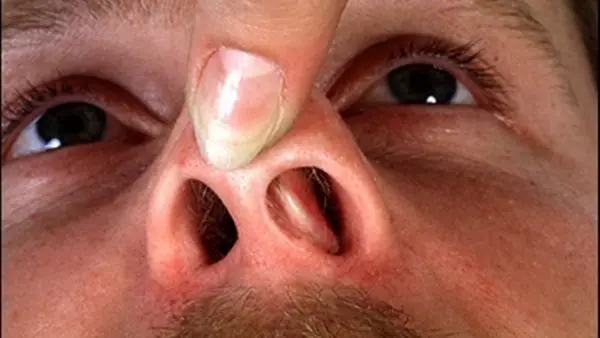
The doctor conducts a clinical examination of the nose and discovers whether there is an enlargement in the size of the nose or not by evaluating the size of the nasal cornea.
3.X-ray imaging
Diagnosis is made by imaging the size of the nasal cornea and detecting any problems in the nasal structure.
5. CT scan
A computed tomography scan of the nose is performed, which shows all the details of the nose and sinuses, determines the size of the nasal cornea, and detects the presence of any abnormalities.
6. Rhinoscopy
It is a procedure in which an endoscope is used to examine all the internal parts of the nose that cannot be seen using traditional methods, as it helps to accurately determine the size of the nasal corneal enlargement.
7. Nasal biopsy
During this method, a sample is taken from the nose and sinuses and analyzed to find out the cause of the problem and the extent of the swelling.
Book your consultation now at قسم الأنف والأذن والحنجرة At Al Mousa Specialist Hospital.
How to treat keratoconus
Nasal corneal hyperplasia can be treated through many methods and therapeutic methods, the most important of which are the following:
First: traditional methods
Nasal corneal hyperplasia can be treated by following some traditional steps, which are as follows:
- Use a device that purifies the air from dust.
- التوقف عن التدخين.
- Clean floors and surfaces from dust regularly and keep away from animal hair as much as possible.
Second: drug treatment
There are some medications that the doctor prescribes for patients with nasal corneal hyperplasia, which are as follows:
- Phenylephrine medications, in addition to pseudoephedrine, are decongestant medications.
- Use anti-allergy nasal sprays in addition to oxy types that help reduce puffiness and are usually used for no more than 3 days only.
- The doctor prescribes seasonal allergy medications.
- Nasal sprays that contain steroids.
- Use nasal saline solution.
Third: Surgical treatment
The doctor resorts to surgical intervention if both traditional methods and medications fail to treat the problem of nasal corneal hyperplasia, as follows:
- Diathermy, which allows the insertion of a needle that helps pass an electrical current that destroys all the enlarged tissue surrounding the corneal area of the nose, and this is done under the influence of general anesthesia.
- Partial osteotomy of the lower nasal corneas.
Complications of keratoconus
The patient suffers from many complications as a result of neglecting to treat nasal corneal hyperplasia, and the most important of these complications are the following:
- The patient becomes more susceptible to developing a sinus infection, specifically a microbial one.
- Suffering from many respiratory problems with increasing difficulty in breathing.
- Having problems sleeping due to obstruction in the respiratory tract.
- Frequent dry mouth, especially upon waking up.
- Change in voice tone and difficulty distinguishing between different smells.
Learn about: كل ما تحتاج معرفته عن عملية تجميل الانف
In conclusion;
Frequently asked questions
Is enlarged nasal corneas dangerous?
Yes, enlarged nasal corneas are considered dangerous if neglected, because this leads to many complications, such as difficulty breathing, sleep disturbances, and loss of the sense of smell.
Is keratoconus surgery dangerous?
It is considered one of the treatment methods that the doctor resorts to when traditional methods fail to treat the problem, but it has some serious complications, including affecting the patient’s respiratory ability later, with the possibility of nosebleeds or bacterial infection during surgery.
What are the benefits of laser corneal reduction?
It helps relieve nasal congestion and get rid of the problem of snoring, in addition to improving the breathing process with a clear improvement in the quality of sleep, in addition to rapid recovery and getting rid of pain and bleeding.
Sources
Differences in nasal and temporal responses of the cornea after photorefractive keratectomy – nih
