
Age is one of the main factors that directly affects blood sugar levels, as normal glucose levels vary from one age group to another due to differences in metabolic rate, levels of physical activity, and general health status.
Based on the importance of correctly understanding glucose levels, we will now delve deeper into the normal blood sugar range according to age, clarifying health guidelines to ensure optimal blood sugar management for all age groups.
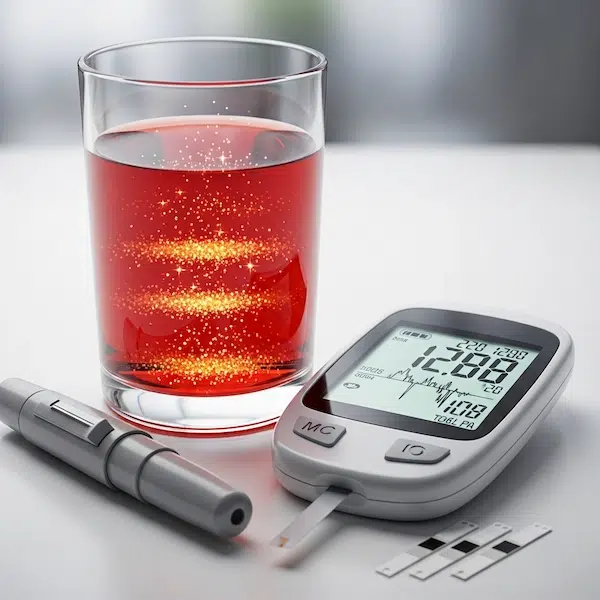
The importance of monitoring blood sugar levels
Understanding the impact of age and other factors on blood sugar levels is an essential step in developing an effective long-term health management strategy, whether a person has diabetes, is pre-diabetic, or is seeking to maintain his general health.
What is the normal blood sugar level according to age?
As we age, the body becomes less able to regulate glucose levels efficiently, often leading to a gradual rise in blood sugar and an increased likelihood of developing type 2 diabetes.
These risks increase significantly in individuals in their 50s, 60s, and 70s, and here comes the important role of age-specific blood sugar level charts, which are used as a guideline to help patients and doctors set realistic goals based on each person’s needs.
Research indicates that the average age of diagnosis of type 2 diabetes is about 47.9 years, and about 27% of those affected are over 65 years of age, which reflects the importance of monitoring blood sugar throughout the different stages of life, and the typical levels of blood sugar during fasting by age group. Include ما يلي:
- Children under 6 years: Between 80–100 mg/dL.
- Adults without diabetes: Between 70–100 mg/dL.
- the elderly: Readings up to 120 mg/dL may be medically acceptable.
After eating, blood sugar readings usually range between 120 and 160 mg/dLThis depends on age and general health condition.
Normal blood sugar levels according to age: a simple and clear guide
As the years go by, our bodies' blood sugar needs change, and normal levels vary from age to age. Whether you are a parent monitoring the health of your child, a teenager going through the changes of puberty, or an adult seeking to maintain his health, knowing these levels helps prevent any future disorders.
- Infants and toddlers (from birth to 3 years)
This stage is characterized by a large variation in sugar levels. The fasting blood sugar reading usually ranges between 60 and 110 mg/dL, while it may rise after meals to reach 180 mg/dL. This rise is considered normal due to rapid metabolism.
- Children from 3 to 12 years
As the child grows, sugar levels begin to gradually stabilize, and it is preferable for fasting readings to be between 70 and 140 mg/dL, while random readings reach 180 mg/dL.
- Teenagers (13-18 years old)
Puberty is associated with clear hormonal fluctuations that may affect the body's response to insulin. Fasting levels usually range between 70 and 140 mg/dL, while postprandial readings remain within the range of 70 - 180 mg/dL. Periods of rapid growth should be paid attention to because they may change sugar levels temporarily.
- Adults (19 years and over)
At this stage, it is expected that sugar levels will be more stable, and it is preferable to maintain a fasting range between 70 and 130 mg/dL, while random readings remain less than 180 mg/dL. Maintaining these levels reduces the risk of developing prediabetes.
Learn about: Normal blood sugar level after eating
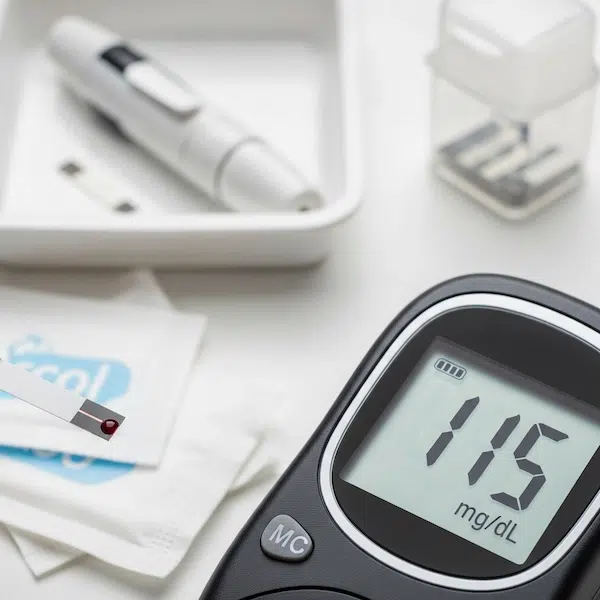
How do sugar levels change after eating?
After a meal, the body experiences a natural rise in blood sugar. The health status can be assessed by looking at the following stages:
From 0 to 2 hours after food
- natural: 90–140 mg/dL
- high: 140–220 mg/dL
- dangerous: More than 300 mg/dL
Two to four hours after eating
- natural: 90–130 mg/dL
- high: 130–220 mg/dL
- dangerous: More than 200 mg/dL
Four to eight hours after eating
- natural: 80–120 mg/dL
- high: 120–180 mg/dL
- dangerous: 180+ mg/dL
Sugar levels in adult men by age
From 18 to 45 years
- Fasting sugar: 70–99 mg/dL
- After meal: Less than 140 mg/dL
From 46 to 60 years
- Fasting: 70–100 mg/dL
- After meal: Less than 140 mg/dL
61 years and older
- Fasting: 70–110 mg/dL
- After food: Less than 150 mg/dL
تعرف أيضاً على: Diabetes treatment center
Sugar levels in adult women by age
From 18 to 45 years
- Fasting: 70–99 mg/dL
- after meals: Less than 140 mg/dL
From 46 to 60 years
- Fasting: 70–100 mg/dL
- After eating: Less than 140 mg/dL
61 years and over
- Fasting: 70–110 mg/dL
- after meals: Less than 150 mg/dL
The most important notes to remember
- The normal rate of fasting for adults: 70–110 mg/dL
- Normal rate after meals: Less than 150 mg/dL
Regular checkups are necessary, especially when there is a family history of diabetes or unusual symptoms.
Conditions associated with abnormal blood sugar levels
Hyperglycemia is the term for high blood sugar, and a blood sugar level lower than 70 mg/dL (milligrams per deciliter) is called hypoglycemia. We will explain them as follows:
Symptoms of high blood sugar (hyperglycemia)
- Blurred vision
- confusion
- Extreme hunger and thirst
- Bad breath
- exhaustion
Symptoms of low blood sugar (hypoglycemia)
- vibration
- Lack of coordination
- confusion
- Excessive sweating
- Rapid heart rate
- Unclear speech

Causes of high blood sugar levels in diabetics
In a person with type 1 diabetes (T1D), the pancreas does not produce enough insulin. The body may stop producing or using insulin as it should. In people with type 2 diabetes (T2D), in addition to age, the following factors may affect your blood sugar goals: مثل:
- Type of diabetes (type 1 or 2)
- How long your diabetes lasts
- Degree of fluctuations in blood sugar levels
- Fluctuations in blood glucose levels during fasting
- Fluctuating levels after a meal
- Rate and timing of hypoglycemia (low blood glucose levels)
- الحمل
- Associated health conditions (comorbidities)
- Some complications associated with diabetes that affect your management
Understanding normal blood sugar levels by age is an essential step to preventing diabetes and its complications in the long term, and with a commitment to a healthy lifestyle and regular check-ups, you can maintain balanced blood sugar at every age.
وللمزيد حول: Secrets of treating cumulative diabetes
Frequently asked questions
How do I know that I have diabetes without a test?
The presence of some clear signs may indicate the possibility of diabetes, such as feeling very thirsty and frequent urination, especially during the night. You may also notice unexplained weight loss, constant fatigue, or recurring infections of the skin and gums. However, one cannot rely on symptoms alone, and analysis remains the only way to make a confirmed diagnosis.
What is the difference between cumulative blood sugar and fasting blood sugar?
The fasting glucose test measures the blood glucose level after fasting for 8 hours, and is useful for early detection of diabetes disorders. The HbA1c measures the average glucose level over the last 3 months and is used to evaluate disease control. The fundamental difference is that the HbA1c gives a comprehensive, long-term picture, while the fasting HbA1c shows the glucose level at the moment of examination only.
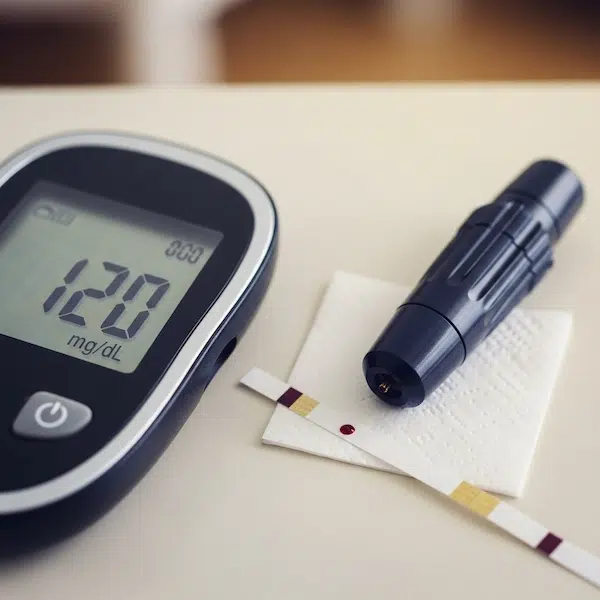
How do I avoid sudden blood sugar spikes?
To avoid a sudden increase, you must eat balanced meals that contain fiber and proteins that slow down the absorption of glucose. It is also preferable to divide main meals into small portions during the day, avoid simple sugars and soft drinks, and do not forget the importance of exercising regularly and monitoring sugar levels before and after food to adjust the nutritional and therapeutic pattern.
How many times should blood sugar be measured daily?
The number of times the measurement is made depends on the type of diabetes and the treatment used. Patients with insulin usually need to measure 3-4 times a day, while patients who only use oral medications may be satisfied with measuring once a day or several times a week. What is important is continuous follow-up in cases of illness, a change in diet, or when they feel abnormal symptoms.
Is diabetes hereditary?
The genetic factor plays an important role in increasing the probability of developing diabetes, especially type 2. If one of the parents or first-degree relatives is affected, the risk increases, but this does not mean a certain infection. Environmental factors such as obesity and lack of movement play an equal role, and prevention can be achieved through a healthy lifestyle.
Does obesity cause diabetes?
Yes, السمنة — especially belly fat — is one of the main causes of type 2 diabetes, as the sensitivity of cells to insulin weakens, which leads to a gradual rise in the sugar level. Weight loss of only 5-10% of body weight can significantly reduce the risk of developing the disease and improve the sugar level of those already affected.
If you want to accurately monitor your blood sugar level and develop a health plan that suits your age and lifestyle,... Al Mousa Health Group Providing you with the latest examination techniques and specialized medical guidance.
Book appointmentLet the expert team help you adjust the normal blood sugar level according to age and improve your quality of life with confidence and safety.
