
Have you ever felt suddenly tired or dizzy after eating?
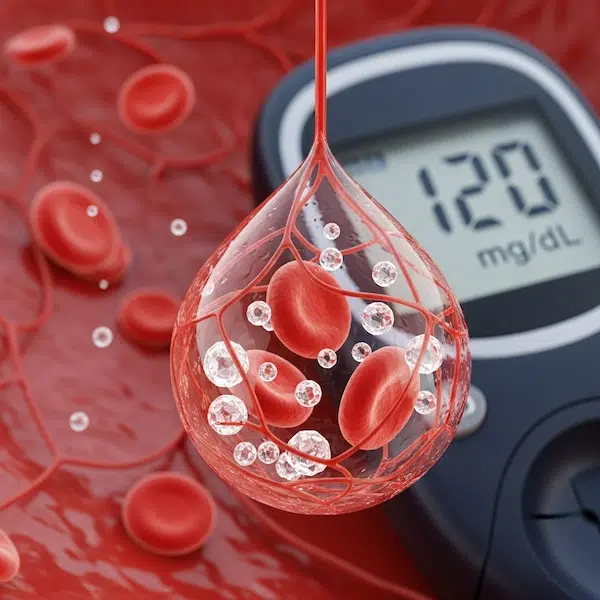
What is meant by normal blood sugar?
Maintaining blood sugar levels is considered one of the most important indicators of the body’s general health. High or low blood sugar levels beyond healthy limits may lead to chronic health problems such as diabetes and cardiovascular disease. Here are the most important details:
- Fasting sugar: It is measured after fasting for 8 hours, and the normal blood sugar level in this case is between 70 and 100 mg/dL.
- بCounting food: It is recommended to measure sugar two hours after a meal, and it is considered normal if it is less than 140 mg/dL for healthy people.
- اFor random sugar: Any blood sugar measurement at any time during the day is considered normal if it is less than 200 mg/dL, in the absence of other symptoms indicating diabetes.
- Glycated hemoglobin rate (HbA1c): It reflects the average blood sugar level over the past three months, and is considered normal if it is less than 5.7%.
Clarifying these values helps you understand your body better and take the right steps to maintain your health and energy level.
Reasons for high and low blood sugar
The normal blood sugar level is affected by several internal and external factors, and understanding these reasons helps maintain your health and avoid complications and the most important factors that may lead to high or low blood sugar levels. They are as follows:
- Eating large amounts of sugars and refined carbohydrates leads to a sudden spike in blood sugar levels.
- Lack of physical activity and lack of movement impairs the body's ability to use glucose effectively.
- Overweight and obesity affect the body's sensitivity to insulin, which may raise sugar levels.
- Stress and stress can lead to the release of hormones that raise blood sugar levels.
- Some medications such as steroids and birth control pills may affect blood sugar levels.
- Hormonal disorders, such as thyroid problems or Cushing's syndrome, lead to fluctuations in sugar levels.
- Excessive consumption of soft drinks or caffeine may raise blood sugar levels temporarily.
- Liver and kidney diseases may affect the body's ability to process glucose.
- Low calories or skipping meals may cause your blood sugar level to suddenly drop.
- Some medical conditions, such as insulin deficiency or hyperinsulin secretion, lead to disturbances in blood sugar levels.
- Dehydration and lack of drinking water may cause blood sugar to become relatively concentrated.
- Seasonal changes or insufficient sleep affect sugar balance.
- Pregnancy and some hormonal changes may cause fluctuations in sugar levels.
With an understanding of these factors, it becomes easier to maintain normal blood sugar levels, and take daily preventive measures to maintain health, energy, and activity.

Read also: Blood sugar: main causes, prevention methods and treatment methods
Symptoms of blood sugar disorder
Taking care of normal blood sugar levels begins with understanding the warning signs that the body indicates when there is a high or low blood sugar level. The most prominent of these signs تشمل:
- Feeling constantly tired and exhausted for no apparent reason.
- Excessive thirst and unusual frequent urination.
- Frequent urge to eat sugars or starches.
- Unexplained weight loss despite eating normally.
- Dizziness or feeling lightheaded when standing or after meals.
- Blurred vision or temporary vision change.
- Slow healing of wounds and scratches, and recurrent infections.
- Numbness or tingling in the hands and feet.
- Mood swings and rapid irritability for no apparent reason.
- Persistent or recurring headaches.
- Sleep disturbances and feelings of insomnia or excessive sleepiness.
- Nausea or stomach discomfort after eating.
- Sudden sweating, especially when blood sugar drops sharply.
- Poor concentration and difficulty paying attention in daily activities.
By paying attention to these symptoms, blood sugar levels can be maintained, and the potential risks of diabetes or problems associated with high and low blood sugar can be reduced.
The latest trends in treating diabetes
With the development of modern medicine, many advanced methods have emerged that help treat abnormal blood sugar levels and maintain them within healthy limits with greater accuracy than ever before. ومن أبرزها:
- Relying on continuous glucose monitoring (CGM) devices that provide real-time data that helps detect highs or lows as soon as they occur.
- Using smart insulin pumps equipped with algorithms that predict glucose levels and automatically adjust doses.
- Modern drug treatments such as GLP-1 agonists improve the body's response to insulin and reduce post-meal sugar spikes.
- Therapeutic diets based on reducing carbohydrates and regulating the glycemic index to effectively control the sugar response.
- Integrating artificial intelligence into analyzing patient behavior and lifestyle to provide personalized treatment plans that keep disease averted.
- Relying on digital follow-up programs that help patients record measurements and receive instructions immediately.
- Use science-backed natural supplements to improve insulin sensitivity such as Omega-3, cinnamon and chromium compounds.
- Expanding the role of cognitive behavioral therapy to reduce stress, which is one of the most important factors affecting disturbances in blood sugar levels.
Tips for maintaining normal blood sugar levels
To maintain the normal blood sugar level within healthy limits, it is necessary to follow a balanced lifestyle that combines proper nutrition, physical activity, and periodic follow-up. Here are the most important tips:
- Commit to a balanced diet rich in vegetables, fruits and fibre.
- Reduce your intake of sugars, sweets and soft drinks.
- Do regular exercise such as walking, swimming, or cycling.
- Maintain a healthy weight and avoid excess obesity, which affects insulin sensitivity.
- Eat small, regular meals to avoid sudden high or low blood sugar.
- Drink sufficient amounts of water to maintain fluid balance in the body.
- Reducing stress and stress through meditation or relaxation exercises.
- Sufficient and good sleep helps regulate hormone secretion and control sugar levels.
- Monitor sugar levels periodically, especially for those who have risk factors for diabetes.
- Stay away from smoking and alcoholic beverages that affect sugar balance.
- Use foods with a low glycemic index to control blood sugar spikes after meals.
- Monitor the body's response to meals and physical activity and adjust the routine when needed.
- Awareness of the warning signs of low or high blood sugar and early action when they appear.
- Paying attention to periodic tests, such as the HbA1c test, to evaluate the average blood sugar level during the previous months.
Find out more: Normal blood pressure for each age and tips for maintaining it
Frequently asked questions
Can the normal blood sugar level differ between men and women?
Yes, some values vary depending on gender and age, but general fasting blood sugar limits between 70 and 100 mg/dL are considered a basic standard.
Does age affect normal blood sugar levels?
Yes, with age, sugar levels may tend to rise slightly, so you should consult a doctor to determine the normal range according to age and lifestyle.
Can the blood sugar level reading be affected after exercise?
Yes, intense physical activity can temporarily lower blood sugar levels, so it is recommended to measure it after a period of rest to get an accurate measurement of blood sugar levels.
Does fasting for long periods affect blood sugar levels?
Long fasting may temporarily lower blood sugar levels in some people, and it is necessary to monitor sugar levels during fasting to avoid any sharp drop.
What is the difference between natural sugar and preventive sugar limits?
Normal sugar is the level that does not cause symptoms or health risks, while preventive limits represent slightly higher levels, requiring diet modification or periodic monitoring to avoid diabetes.
Is there a relationship between blood sugar level and digestion?
Yes, digestive problems such as malabsorption Food Or bowel disorders may affect sugar levels temporarily, which requires monitoring blood sugar levels regularly.
Also learn about: Diabetes and Endocrinology Treatment Center
خاتمة
Maintaining a normal blood sugar level is an essential step towards a healthy and active life. With continuous monitoring and following health advice, you can reduce the risks associated with high or low blood sugar. Al Mousa Health Group Benefit from our expertise to ensure your health and the health of your family.
