
Rhinoplasty is the beginning of a new appearance and self-confidence, but this journey does not end once you leave the operating room. Rather, the recovery phase begins after that, which has a decisive role in determining the final results. At this stage, nasal patches stand out as an essential and important tool recommended by doctors to help in a better and faster recovery. What are their benefits and how are they used correctly to achieve the best results?
What are nose patches after plastic surgery?
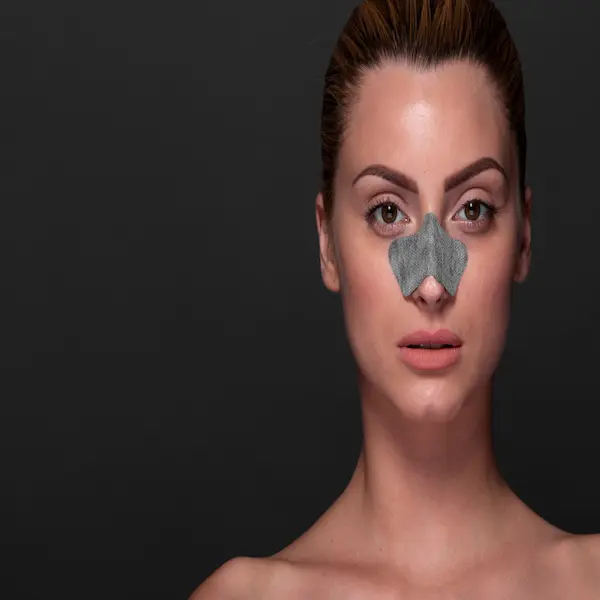
It is a type of special medical tape used on the nose after undergoing rhinoplasty, after removing the initial splint or bandages, and is usually made of hypoallergenic materials.
Post-plastic nasal patches are an important step in the recovery phase and are recommended by most doctors to help get the best results.
Types of nasal plasters
There are no specific types of nasal plasters that are used exclusively after plastic surgery. Rather, the choice of nasal plasters after plastic surgery depends on the material from which the plasters are made. The most common types of nasal plasters include the following:
- Hypoallergenic paper patches: These are a popular choice of patches and recommended by many doctors. They are made of skin-friendly materials that allow the skin to breathe, reducing the risk of skin irritation or blisters, making them ideal for long-term use.
- Silicone patches: They are mainly used to help reduce the appearance of scars and soften them. They provide gentle and continuous pressure on the skin, which contributes to preventing the formation of excessive scar tissue. In addition, they are suitable for people with sensitive skin, as they cause less irritation.
- Polyurethane patches: These patches are light and flexible, making them comfortable to wear, and they help provide structural support for the nose after surgery.
What are the benefits of nasal patches?
Using nasal patches after cosmetic surgery offers many benefits that contribute to obtaining the best possible results, and these benefits can be summarized as follows:
- Preventing or reducing swelling, which is the most important benefit of nasal patches after any nasal surgery, as the continuous light pressure applied by the nasal patches helps accelerate the exit of fluids accumulated in the tissues, which prevents or reduces the size and duration of swelling.
- Supporting the new shape of the nose, by stabilizing the skin, which helps it shrink and adhere to the new structure of the nose.
- Preventing sagging skin in unwanted places, especially for those with thick skin, ensuring more precise and clear nose lines.
- Reducing and smoothing scars, as the plasters apply light pressure to the scar, which prevents excessive formation of scar tissue, and also helps in fading the color of the scar so that it becomes less visible over time.
- An additional layer of protection for the nose, because immediately after surgery, the nose is sensitive and susceptible to injuries.
The duration of nasal patches after plastic surgery
The duration of use of nasal patches after plastic surgery varies from one case to another depending on several basic factors, including the type of operation or surgery, the type of nasal skin, and the doctor’s instructions.
In general, the period of use of plasters can be divided into two stages:
- The first stage is after removing the splint, where the plasters are applied continuously, changing them every day or every few days as needed. This stage lasts from two weeks to a month, with the aim of reducing the initial swelling and stabilizing the new shape of the nose.
- The second stage: After the first month, doctors often recommend wearing post-plasty nasal patches at night only while sleeping.
Learn about: Everything you need to know about rhinoplasty
How to use nasal adhesive
To properly use nose adhesive after plastic surgery, we advise you to follow the correct step-by-step method as follows:
- Prepare the nose and clean the skin well before applying the sticker, using a gentle cleanser free of alcohol or oils.
- Dry the nose well using a soft towel or clean paper tissue, and make sure there is no moisture, as it may prevent the adhesive from sticking properly and cause skin irritation.
- Prepare the strips by cutting two strips of medical adhesive paper, about 1 to 1.5 cm wide for each strip. The length of the first strip should be sufficient to cover the entire bridge of the nose, while the second strip should be shorter to cover the tip of the nose.
- Applying the adhesive, start by sticking the first strip from the top of the nose between the eyebrows, then pass the strip straight along the bridge of the nose all the way to the tip, pressing it gently to ensure adhesion without applying strong pressure.
- Paste the second strip on the tip of the nose, from bottom to top, then bend the ends of the second strip on either side of the nose to cover the nostrils slightly, making sure not to close them.
How to remove nasal stickers
Removing nasal plasters after plastic surgery is an important step that must be done with extreme caution to avoid irritating sensitive skin or harming the nose that is still in the recovery stage. Therefore, we guide you with these steps to remove the plasters safely, which are:
- Prepare the nose before starting removal, by softening the adhesive and the adhesive to facilitate the process, by gently placing a piece of cotton or a clean cloth moistened with warm water on the adhesive for a minute or two, which helps to break up the adhesive and makes it easier to remove.
- You can use medical adhesive remover. If the adhesive is difficult to remove, put a small amount of it on the edge of the adhesive to begin removal.
- Very slowly and carefully, begin by lifting the end of one of the adhesive strips, then pull in the same direction as the hair growth to avoid feeling pain or irritation of the hair follicles.
- Use the other hand to support the skin while pulling the adhesive with your first hand, to hold the skin on the nose, preventing pulling on the soft tissue and reducing pressure.
- Avoid pulling the adhesive forcefully or quickly, as this may cause redness, peeling, or even slight bruising.
- After removing all patches, gently wash the nose with a gentle, alcohol-free face wash, and apply a light, unscented moisturizer if your doctor recommends it, to help soothe the skin after removing the patch.
What about sneezing while using nasal patches?
If you have to sneeze while applying nasal patches, do not worry, this is completely normal and will not cause any harm to the results of your operation. Try to open your mouth as much as possible while sneezing;
We advise you not to suppress a sneeze by pressing on the nostrils, as this greatly increases the pressure and may be harmful. After sneezing, avoid touching or tampering with the patches. If you feel that they have moved a little, leave them as they are, and if they have fallen off completely, you can replace them with a new strip.
Book your consultation now at Dermatology and beauty center At Almoosa HospitalMy specialty.
Tips for taking care of nasal patches
Taking good care of nasal patches is no less important than the way they are applied or removed. By following some simple tips, you can ensure the effectiveness of the patches and avoid any skin problems during the recovery period. The most important tips for caring for nasal patches include the following:
- Keep the plasters dry, and avoid water and moisture when showering or washing your face. You can use a wet towel to wipe the areas where there is no adhesive, and avoid the nose area.
- Immediately dry the patches if they get wet for any reason using a clean, soft towel or a hair dryer at a very cold temperature.
- Change the pads daily, to prevent the accumulation of dirt, oils and bacteria, and allows you to gently clean the nasal skin.
- Replace the patches as necessary, if they feel they have become loose or moved out of place, or if their edges begin to peel.
- Avoid makeup over or under the patches, as this can cause clogged pores and irritate the skin.
- Do not use any creams, moisturizers or lotions on the patched nose area, unless your doctor recommends it;
- It is normal to feel some itching or mild irritation. If this happens, remove the patches temporarily, then gently cleanse the skin and wait a few hours before applying new patches.
- If you notice a severe rash, persistent redness, or feel pain, this may be a sign of an allergy to the adhesive. You should stop using it immediately and consult your doctor.
Frequently asked questions:
Are nasal patches necessary after rhinoplasty?
Yes, post-cosmetic nasal patches are necessary in most cases, due to their main role in:
- Installing the new nose shape.
- Reduce swelling and bruising.
- Protect cartilage and tissue.
- Skin support for reconditioning.
What is the appropriate nasal stabilizer after rhinoplasty?
After rhinoplasty, a nasal stabilizer is used to help maintain the new shape, reduce swelling, and prevent deformities during recovery. There are several types of stabilizers, and choosing the appropriate one depends on the type of operation and the surgeon’s recommendations.
The most important types of nasal stabilizers after plastic surgery include:
- The external splint is made of plaster or silicone.
- Nasal plasters medical adhesive strips.
- Splint internal supports.
- Night nasal stabilizers, for simple cases or after removing the splint.
Do plasters make the nose smaller?
Post-cosmetic nose patches are medical patches that do not permanently reduce the size of the nose, but they may give a temporary slimmer appearance due to their pressure on the tissues. However, after removal, the nose gradually returns to its natural shape as the swelling disappears, and the patches will not change the final size of the nose.
In conclusion, post-plastic nose patches are a simple and effective tool. They make a big difference in the recovery journey after rhinoplasty. Your commitment to wearing them in the correct way, and following your medical team’s instructions, ensures that you not only obtain better aesthetic results, but also contribute to reducing complications and accelerating the healing process.
At Almoosa Specialist Hospital, our rhinoplasty doctors are keen to provide precise and comprehensive post-operative follow-up, including step-by-step guidance on how to use these patches and other post-operative instructions, to ensure the best results that meet your expectations and aspirations for your new appearance.
Do not hesitate to visit us for optimal advice and treatment or visit the hospital’s website for more information.
Sources
The Beneficial Effects of Postrhinoplasty Taping: Fact or Fiction? – academic
Rhinoplasty and External Nasal Splinting: Is It Really a Must? – nih
