Open heart surgery is a remarkable medical procedure that has changed the treatment of many heart conditions.
What is open heart surgery?
Open heart surgery is a surgical procedure used to treat a range of heart conditions, including Heart failureCongenital heart defects, heart rhythm disorders, arterial ectasia, and coronary artery disease.
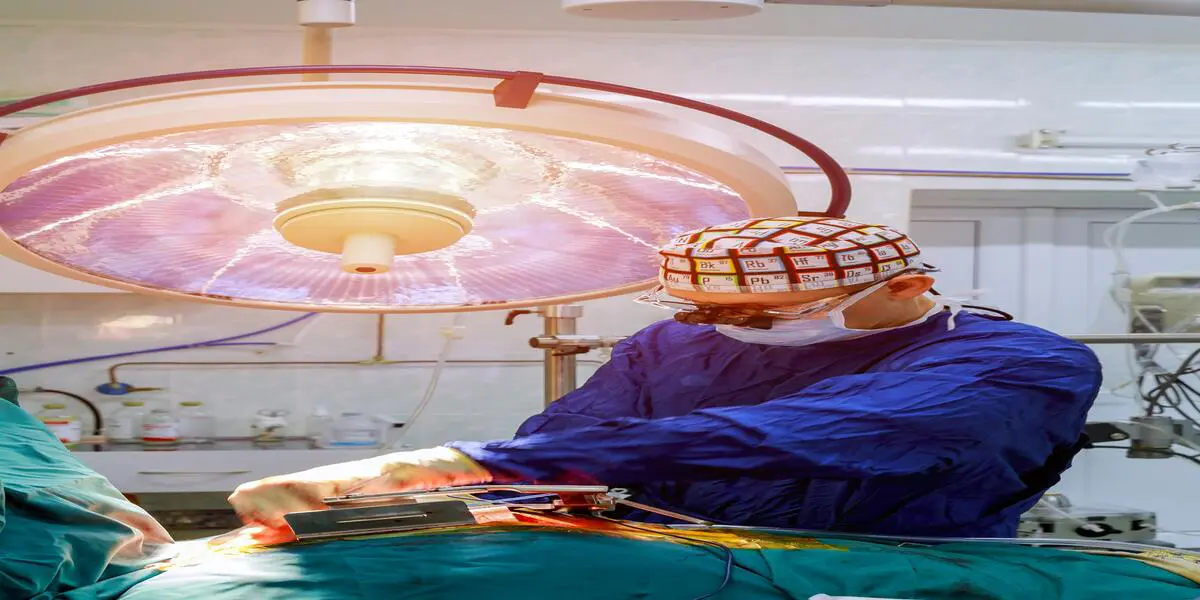
It involves making an incision in the chest and opening the rib cage to access the heart;
Open-heart surgery is subject to two conditions: If the patient's heart is not beating during the operation, which is the most common case, the doctor resorts to an external auxiliary device that acts as a blood pump and simulates the function of the heart and lungs, until the operation is completed.
Heart surgery can be done without a device if the heart continues to beat normally.
The benefits of open heart surgery are very important for individuals with heart conditions.
Is the rib cage cut during open heart surgery?
During open-heart surgery, the patient is given general anesthesia to ensure that he or she remains asleep and does not feel pain throughout the procedure.
Complications of open heart surgery
Like any other surgical procedure, open-heart surgery carries some potential risks, which may include:
- Allergic reactions to anesthesia.
- Heart rhythm disturbances.
- bleeding.
- Damage to blood vessels or nearby organs.
- Infections.
- Stroke or heart attack.
- Cardiac arrhythmia.
- Lung inflammation and breathing difficulties.
- Kidney disorders.
- Chest pain.
- Formation of blood clots.
- Blood loss.
However, it is important to note that open heart surgery has become safer and more effective, thanks to advances in medical technology and the experience of skilled surgeons.
It is also worth noting that the severity of these risks varies depending on individual factors, such as general health, previous conditions, and the complexity of the surgery.
What happens to the patient after open heart surgery?
After waking up from open-heart surgery, patients may initially feel confused and tired.
They may need tubes and devices to facilitate vital processes, remove secretions, and monitor heart activity.
The length of hospital stay after open-heart surgery is shorter than many people expect, with patients often going home within a week.
During the first two weeks of recovery, the doctor focuses on ensuring that the wound remains clean and sterile.
The medical team will provide guidance on pain management, wound care, and physical activity during the healing period.
Book your consultation now at Cardiovascular Center At Almoosa Specialist Hospital.
Life after open heart surgery
While open-heart surgery saves patients' lives and improves long-term health, the recovery and healing process can be challenging, with patients experiencing fatigue and low energy levels for days, weeks, or even months after surgery.
However, with time and proper care, most individuals gradually regain their strength and return to their normal activities.
Medication management is an essential part of life after open heart surgery.
- Platelet antiaggregants؛ To prevent the formation of blood clots.
- Statins to lower cholesterol levels.
- blood pressure medications;
Following a heart-healthy lifestyle, including appropriate exercise as prescribed, eating a balanced diet, and managing stress, is crucial for long-term success and to prevent the need for further interventions.
It is important for patients to stay in contact with their doctor and attend regular checkups to monitor their progress.
Support from family, friends, and support groups can play a large role in the emotional and mental health of individuals recovering from open-heart surgery.
The wound site should be kept clean and monitored closely for signs of infection, such as redness, swelling, or abnormal discharge.
Although the recovery period may be challenging, most people gradually regain their strength and resume normal activities over time.
Everything you need to know about Cardiac Surgery Modern
How long does it take to recover from open heart surgery?
The lives of individuals suffering from heart disease improve significantly after open heart surgery.
The recovery stage after open heart surgery varies from one person to another, but is gradual as follows:
- The initial recovery time after heart surgery ranges from 6 to 8 weeks.
- Most people make a full recovery within 12 weeks of the procedure.
- The recovery period at home after discharge from the hospital ranges from 4 to 6 weeks.
- Full recovery may take about 3 months or more, depending on the patient's fitness, age and severity of their condition.
We point out that what was mentioned is the typical form of recovery, knowing that it varies between individuals. In general, recovery takes several weeks to months for complete recovery, and it is normal for a person to feel fatigue, pain, and difficulty moving in the immediate period after surgery.
What is the success rate of open heart surgery?
Research indicates that open-heart surgery has excellent overall outcomes, with survival rates generally greater than 97-98% for many common procedures.
But despite any medical concerns, open-heart surgery has generally proven to be a successful, life-saving procedure for most patients.
Does a person return to normal after open heart surgery?
Although open-heart surgery can greatly improve a person's quality of life, it may take some time to fully recover and adapt to the new situation.
Open-heart surgery is one of the vital surgical procedures aimed at treating serious heart diseases, and it is the operation that is resorted to in cases of diseases that require urgent surgical intervention.
FAQs
Is open heart surgery dangerous?
Yes, open heart surgery is considered one of the major and dangerous surgical operations due to its complexity and sensitivity, as it opens the chest and deals directly with the heart muscle, coronary arteries, or heart valves. Despite the advancement of medical technologies and the significant improvement in success rates, risks still exist, including bleeding, infection, clots, or problems with the heart rhythm. The degree of risk depends on the patient’s general condition, age, and accompanying diseases, which is why it is performed after careful evaluation and under the supervision of the specialized medical team.
How many hours does open heart surgery take?
Open-heart surgery usually takes between 3 and 6 hours, and the duration of the operation may increase or decrease depending on the type of operation and its complexity, such as whether it is to change a valve, patch coronary arteries, or repair a birth defect. The patient’s health condition and the experience of the team affect the length of the operation, in addition to the preparation time before surgery and the recovery phase after it, which makes the total time that the patient spends in the operating room longer than the duration of the surgery itself.
What is the appropriate age for heart surgery?
In fact, there is no specific and fixed age for performing a heart operation. The most important factor is the patient’s need for surgery and his general health condition, not just his age. Heart operations can also be performed for those children with congenital defects. The operation can also be performed for the elderly if their condition allows it. It is most often performed for adults over the age of forty who suffer from coronary heart disease or who suffer from valve problems. The specialist doctor also determines the timing of the operation based on the examinations and the severity of the condition, taking into account the potential risks.
Medical references
Coronary artery bypass surgery – mayoclinic
Open-Heart Surgery – clevelandclinic