
The thigh muscles are among the most important muscles that the body relies on to perform many daily movements, such as walking, standing, climbing stairs, and sitting for long periods. Therefore, maintaining their strength and fitness contributes greatly to improving life and preventing injuries and health problems related to the joints and knees. Here, the role of physical therapy appears to strengthen natural thigh muscles as an effective and safe tool that helps strengthen these muscles in a healthy way and without the need for surgical interventions. Physical therapy relies on customized exercises and therapeutic techniques aimed at increasing muscle flexibility, increasing their endurance, and improving balance and movement, which is reflected positively.
The importance of physical therapy to strengthen the thigh muscles
Physical therapy plays an important role in strengthening the thigh muscles, and its importance is characterized by the following:
It helps in improving joints, increasing flexibility, and correcting the way of walking, which increases stability and movement in general. The exercises used in physical therapy also contribute to rehabilitating muscles, improving their strength and flexibility, and helping in recovery from injuries.
- In addition, physical therapy is an effective way to strengthen the quadriceps muscles, which is crucial for maintaining knee stability and avoiding injuries, especially in cases of knee problems or degenerative arthritis. Through customized programs, the physical therapist can develop a treatment plan that suits the patient’s condition with the aim of improving the general strength of the muscles and increasing support around the joints.
- Other benefits of physical therapy include improving range of motion, increasing balance and coordination, and providing appropriate support and stability for joints such as the hip and knee. Strengthening the thigh and leg muscles through physical therapy reduces the risk of falling and improves mobility in the elderly.
When do you need physical therapy to strengthen your thigh muscles?
When these muscles become weak for any reason, it may be recommended to undergo a physical therapy program to strengthen the thigh muscles to strengthen them and improve motor functions. Below are the details about the cases that require this type of treatment:
After injury or surgery
If you have suffered a leg or hip injury such as a muscle tear, muscle strain, knee injury (such as an ACL tear), arthroscopic knee surgery, or knee or hip replacement, physical therapy is essential to help you regain lost muscle strength, improve range of motion, prevent stiffness and muscle atrophy, and also speed up recovery and reduce pain.
When there is general muscle weakness or advanced age
With age, the muscles begin to naturally atrophy, leading to weakness in the thigh muscles, difficulty standing, going up or down, and a higher risk of falling and injuries. In this case, physical therapy to strengthen the thigh muscles helps increase muscle strength, improve balance and coordination, and increase daily independence in the elderly.
In cases of arthritis or knee pain
If you suffer from degenerative arthritis, chronic knee pain, and knee instability, strengthening the quadriceps muscles is one of the most important non-drug therapeutic solutions as the muscles support and protect the joints, reduce pressure on the cartilage, relieve pain and improve mobility.
To prevent sports injuries
Athletes and those practicing physical activity are more susceptible to injury due to muscle imbalance, weakness of the muscles surrounding the joints, and lack of warm-up or stretching. Physical therapy can contribute to strengthening muscles in a balanced manner, improving flexibility and range of motion, and reducing the risk of future injuries.
After a long period of inactivity or complete rest
If you have to stay in bed for a long time due to illness or surgery, rapid muscle atrophy may occur, especially in the thigh and leg muscles due to lack of use. Physical therapy helps you gradually regain strength, prevent complications associated with long periods of inactivity, improve blood circulation and avoid clots.
When diagnosed medically, muscle rehabilitation is required
Such as nerve injuries affecting the muscles, partial paralysis, and some neurological or muscular diseases.
Learn about: Types of muscle physical therapy techniques And how to start it
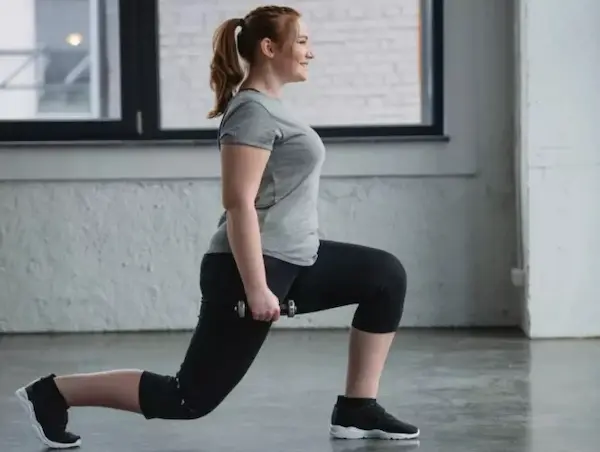
Physical therapy exercises to strengthen the thigh muscles
Physical therapy exercises to strengthen the thigh muscles, especially the quadriceps and hamstrings, are very important. Below is a group of effective home and therapeutic exercises:
Pelvic lift exercise
- Method: Lie on your back with your knees bent and your feet flat on the floor.
- Slowly raise your pelvis until your thighs are parallel to the floor, then slowly lower it.
- Number of repetitions: 10 - 15 times.
- Benefit: It strengthens the front thigh muscles and back muscles, and also supports the pelvic and back area.
Straight leg raise exercise
- Method: Lie on your back, then bend one knee and place your foot on the ground, while the other leg is straight, then raise the straight leg to the level of the second thigh, while keeping the thigh muscles contracted.
- Number of repetitions: 10 - 15 times for each leg.
- Benefit: It helps strengthen the quadriceps without putting pressure on the knee.
Leg extension exercise
- Method: Sit on a chair or high surface with one knee bent.
- Number of repetitions: 10 - 15 times for each leg.
- Benefit: Enhances quadriceps muscle strength and improves knee stability.
Simple squat exercise
- Method: Stand straight with your feet shoulder-width apart.
- Number of repetitions: 10 - 12 times.
- Benefit: Strengthens the muscles of the thighs and buttocks and increases joint stability.
Front lunge exercise
- Method: Stand straight, then take a large step forward with one foot and lower your back knee toward the ground, keeping the front knee at a 90-degree angle.
- Number of repetitions: 8 - 10 times for each leg.
- Benefit: Strengthens both quadriceps and hamstrings, and promotes balance.
Stair climbing exercise
- Method: Use a platform or step of a ladder, climb on it with one foot, then raise the body until the second leg is also on the platform, then descend in the same way.
- Number of repetitions: 10 times for each leg.
- Benefit: Enhances strength and flexibility in the thigh and knee muscles.
Front thigh extension exercise
- Method: Stand up straight and bend one knee so that the foot touches the butt. Hold the foot with your hands from behind and gently press it toward the torso while tightening the front thigh muscles.
- Duration: 20-30 seconds for each leg.
- Benefit: Increases muscle flexibility and reduces the risk of injuries.
Book your consultation now at Physical therapy At Al Mousa Specialist Hospital.
Steps for a session with a thigh physical therapist
When attending a session with a physical therapist to strengthen the thigh muscles to treat thigh injuries or problems, there are a number of basic steps that are followed to ensure the best treatment results are achieved. These steps include the following:
- Initial evaluation: The specialist evaluates the patient's general health condition, including reviewing the medical history and examining the range of joint movement and muscle strength, in addition to determining the extent of injury or pain in the thigh area.
- Developing a treatment plan: Based on the evaluation results, the specialist develops a customized treatment plan that suits the patient’s needs and goals, which may include specific exercises to strengthen the thigh muscles or improve flexibility.
- Application of therapeutic exercises: During the session, the specialist begins to guide the patient to perform some therapeutic exercises under his direct supervision. These exercises can be carried out using resistance bands or other simple tools with the aim of restoring the normal function of the thigh muscles, for example: the pelvic lifting exercise while lying on the back with the knees bent, which helps in strengthening the thigh and buttocks muscles.
- Education and guidance: Education plays an important role in the sessions as the specialist explains how to perform the exercises correctly, and provides advice on how to avoid excessive strain or injury during daily activities.
- Progress monitoring: The patient’s condition development is monitored across the different sessions, and the treatment plan can be modified as needed based on the body’s response to the exercises.
- Referral to specialized sessions (if necessary): In some cases, the patient can be referred to specialized sessions such as hydrotherapy, where some exercises are performed in a swimming pool under the supervision of a qualified therapist, which contributes to reducing pressure on the joints during movement.
- Preparation for home sessions: At the end of the session or when the condition stabilizes, the specialist guides the patient on how to continue treatment at home, including creating a safe space and providing the necessary assistive devices to perform the exercises effectively and without risks.
Frequently asked questions
How do I know that the thigh muscle is weak?
Weakness of the quadriceps muscle is recognized by difficulty walking or climbing, pain around the knee or hip, inability to lift the leg, feeling tired quickly during activities, or lack of balance when standing or walking, and it may also be accompanied by rapid muscle cramps or fatigue.
How long does it take to strengthen the thigh muscles?
Strengthening the thigh muscles usually takes 6 to 12 weeks with regular exercises 3-4 times a week, depending on the health condition and the severity of the weakness. It is recommended to adhere to the treatment program and follow up with a specialist to ensure appropriate progress and avoid injuries.
Is it possible to strengthen the thigh muscles without sports equipment?
Yes, it is possible to strengthen the thigh muscles without exercise equipment through body weight exercises such as:
- Squat exercises.
- Regressions.
- Raise the legs while lying down.
- Bridge exercise.
- Getting up and down from a chair.
All of these exercises effectively increase the strength of the quadriceps, back thigh, and hips without the need for any equipment.
In conclusion, physical therapy to strengthen the thigh muscles is an effective and safe way to strengthen the thigh muscles and maintain their efficiency without the need for medications or surgical interventions. With the continuation of appropriate exercises under the supervision of a specialist, clear results can be achieved that contribute to improving movement, reducing pain, and preventing injuries, which helps the person go about his daily life with ease and activity. We at Al Mousa Hospital are among the largest and most important hospitals that have the best medical equipment and the best doctors specialized in developing effective treatment programs.
Sources
Have you been told you have a weak leg or hip muscles? – myphysiosa
Physiotherapy Exercises for Thigh Muscles – melioguide
