
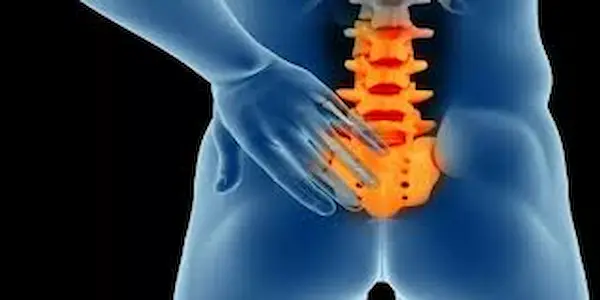
Pilonidal sinus is a common problem that affects the lower back, specifically the coccyx area, and causes discomfort and pain that may affect daily activity.
What is a pilonidal sinus?
It is a medical condition that occurs in the lower back, near the coccyx (tailbone) area, and is also known as a pilonidal cyst or pilonidal fistula.
It often appears as a painful swelling or abscess that secretes pus or blood.
What are the causes of pilonidal sinus?
Its causes are often not due to a single factor, but rather are the result of several overlapping factors that lead to the formation of a cyst containing hair and dead skin cells in the lower back, specifically in the coccyx area.
- Hair retention under the skin: The most common cause is hair growing under the skin or gathering in its folds, causing irritation and inflammation over time.
- Repeated friction and pressure: Sitting for long periods, especially on hard surfaces, increases pressure on the coccyx area, paving the way for fistula formation.
- Poor ventilation and excessive sweating: The moist environment in the lower back helps bacteria grow and hair get under the skin.
- Lack of adequate personal hygiene: The accumulation of dead skin and hair in that area may contribute to the development of inflammation and cyst formation.
- Genetic factors: Some people have a genetic predisposition to hair retention or abnormal hair growth.
- Increased hair density in the lower back area: It is more noticeable in males and young men during puberty.
What are the symptoms of pilonidal sinus?
Its symptoms vary depending on the stage it is going through. They may begin mildly and then develop gradually over time. The symptoms may subside temporarily and then return.
- Pain in the lower back (near the coccyx): It increases with prolonged sitting or standing.
- Swelling or small lump under the skin: They are often painful when pressed.
- Pus or blood coming out of a small opening: Indicates the presence of an internal infection or abscess.
- Unpleasant smell of secretions: As a result of the accumulation of bacteria and pus inside the fistula.
- Redness or heat in the affected area: A sign of inflammation.
- Frequent itching or discomfort in the lower back.
- High temperature (in some cases): If it turns into a deep abscess or acute infection.
Learn about: Fistula disease causes, symptoms and treatment
What is the treatment for pilonidal sinus?
Treatment varies according to the stage and severity of the condition, and aims to permanently remove the fistula and prevent its recurrence.
First: Conservative treatment (in early cases)
It is used in simple cases or as an adjuvant procedure before surgery, and includes:
- Keep the area clean: Wash the area daily with soap and water, and dry it gently.
- Removing the hair surrounding the fistula regularly: Using shaving or laser, to prevent hair from getting under the skin again.
- Oral or topical antibiotics: If there is a slight infection or the beginning of an abscess, the doctor will prescribe an appropriate additive.
- Sit comfortably and reduce pressure on the coccyx: Avoiding sitting for long periods helps relieve symptoms.
Second: Surgical treatment (the most common)
Surgery is the primary option to get rid of the fistula permanently.
-
Open surgical resection
- All fistula tissue is removed, and the wound is left open for natural healing (from the inside out).
- The wound is cleaned daily and the bandages are changed.
- Less likely to recur but requires a longer recovery time (several weeks).
-
Excision with direct closure
- The fistula is completely removed, and the edges of the wound are closed with sutures.
- Recovery is relatively faster, but the risk of recurrence is higher compared to open surgery.
- It is usually used in minor or infrequent cases.
-
Laser ablation
- The latest fistula treatment techniques, often performed under local anesthesia.
- A laser is used to vaporize the fistula tissue and close the tunnel without an open wound.
- It does not require stitches, a fast recovery rate, and a quick return to normal life.
It is available in specialized hospitals such as Almoosa Specialist Hospital, where this technology is used within integrated care by general surgeons.
Third: Post-operative care
Postoperative care is very important to speed up healing and prevent the recurrence of the fistula:
- Clean the wound daily with saline solution or as prescribed by your doctor.
- Change bandages regularly.
- Avoid prolonged sitting or direct pressure on the wound.
- Constantly remove hair around the area to prevent recurrence of the injury.
- Regular follow-up with the doctor to monitor wound healing.
Book your consultation now at Department of Urology At Almoosa Specialist Hospital.
How to prevent pilonidal sinus
To reduce the risk of infection or recurrence after treatment, you should:
First: Paying attention to personal hygiene
- Wash the lower back and tailbone area daily using warm water and mild soap.
- Dry the area well after washing, to avoid sweating and moisture, because moisture predisposes to infections.
Second: remove hair regularly
- Use a razor or laser to remove hair from the lower back and between the buttocks.
- Excess hair may grow under the skin, causing inflammation or fistula formation.
Third: Avoid long sitting
- Do not sit for long periods of time, especially on hard chairs.
- If you have to sit a lot, try to get up and move around every hour.
Fourth: Wear comfortable clothes
- Choose loose-fitting cotton clothing that helps provide good ventilation and reduces friction in the area.
Fifth: Maintaining a healthy weight
- Obesity increases the risk of friction and sweating in the coccyx area, which increases the chances of fistula occurring.
- Reducing weight relieves pressure on the lower back.
Sixth: Treating any infection early
- If you notice redness, pain, or a small swelling in the lower back, see a doctor immediately before it turns into a fistula or abscess.
Seventh: Continue prevention after surgery
- Even after a fistula is surgically treated, hygiene, hair removal, and prevention must be continued to prevent it from coming back again.
Frequently asked questions
How do I know if I suffer from pilonidal sinus?
You may have a fistula if you notice pain or swelling in the lower back, secretion of pus or blood from a small opening in the coccyx area, redness or heat in the skin, itching or discomfort that increases when sitting.
Does Pilonidal Sinus go away on its own?
The fistula does not go away on its own. The symptoms may subside for a while, but the fistula remains present and the inflammation or abscess may return at any time.
How do I treat pilonidal sinus at home?
It can be treated at home only in simple cases or to relieve symptoms temporarily, but it does not replace definitive medical treatment, especially if pus or abscess is present.
In conclusion, fistula is an annoying condition that may affect the quality of life if not treated properly.
Sources
Medlineplus- Pilonidal sinus
Healthline- what is a Pilonidal Sinus?
