
The skin is the body's first line of defense, and when it is exposed to severe injuries such as burns or deep wounds, therapeutic intervention is necessary to restore its function and appearance. The surgical procedure, skin grafting, aims to replace or restore damaged skin tissue with healthy ones. Follow along with us in this article. We will highlight the most prominent aspects of skin grafting and the role of Al Mousa Specialist Hospital in providing this vital procedure to patients.
What is skin grafting?
It is a surgical procedure that involves transferring a piece of healthy skin from an area of the body called the donor area to another area that has lost or damaged skin called the recipient area. The procedure can be likened to transplanting a piece of tissue in another place.
Causes of skin grafting
Skin grafting becomes necessary in cases where the skin cannot heal on its own effectively or when there is significant loss of skin tissue. Reasons why a skin graft may be needed include:
- Burns, which are one of the most common reasons for skin grafting, especially deep second- or third-degree burns, to help cover the damaged area, speed up the healing process, and prevent complications such as infection and severe scarring.
- Large wounds, resulting from accidents or surgeries, to cover the area that is difficult to heal naturally.
- After removing large skin tumors, to cover the area from which the tumor was removed.
- To correct some congenital skin defects.
- Chronic ulcers caused by poor blood circulation or constant pressure to help heal them.
- Severe skin infections in rare cases.
If you suffer from one of the above reasons, book your appointment now at مركز الجلدية والتجميل At Al Mousa Specialist Hospital
Types of skin grafts
Types of skin grafts are classified based on several factors, the most important of which is the thickness of the skin taken and the source of the skin. The main types include the following:
First: According to the thickness of the skin taken:
- Partial-thickness or thin skin grafting involves removing the top layer of skin along with part of the second layer, usually taken from areas such as the thigh, abdomen, or buttocks. It is characterized by its ability to cover large areas of the body.
- Full-thickness skin graft, the procedure involves removing both the entire epidermis and dermis, is usually taken from areas such as the abdomen, thigh, or forearm, and is used for small wounds on visible parts of the body such as the face, where cosmetic appearance is important.
Second: According to the source of the skin:
- Autologous grafting, where the skin is taken from a healthy area on the patient’s own body and transplanted to the affected area, is considered the best because there is no risk of the body rejecting the skin.
- Allogeneic or allogeneic grafting, skin is taken from another human donor, and is usually used as a temporary solution to cover large burns or extensive wounds to prevent infection and fluid loss. If the patient does not have enough healthy skin for an autologous graft, the body will eventually reject this type of graft, so it must be replaced with an autologous graft at a later time.
- Allografts, in which skin is taken from an animal, are also used as a temporary solution to cover wounds and burns until an autologous graft can be performed.
- Artificial grafts: Synthetic materials that mimic skin are used and are used as a temporary skin replacement to aid wound healing and reduce the risk of infection. Some types can become a permanent part of the skin.
- Composite skin graft, consisting of a combination of skin and fat or skin with cartilage, is used in areas that require three dimensions such as the nose.
يمكنك قراءة إليكِ تقنيات التجميل بالليزر ومميزاتها لبشرة ناعمة ونضرة
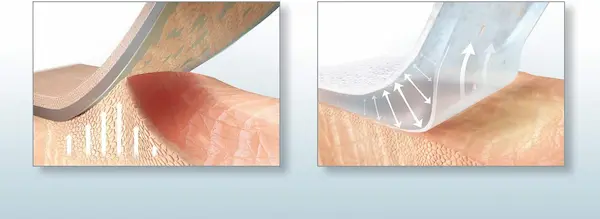
How are skin grafts performed?
Skin grafting operations are performed at Al Mousa Specialist Hospital in organized steps, the main goal of which is to transfer a portion of healthy skin to the affected area and stabilize it to ensure its healing. The process includes the following steps:
- Evaluation and planning, where the surgeon evaluates the size, depth and location of the wound and the area that needs grafting, then the appropriate type of skin graft is determined, then the skin donor area is chosen, taking into account ease of access, and matching the color and texture of the skin as much as possible.
- Anesthesia: Skin grafting is performed under local anesthesia for the donor and recipient area only or general anesthesia, depending on the size and location of the graft and the patient's condition.
- Prepare the recipient area, by carefully cleaning the wound or affected area to remove any dirt, dead tissue or debris.
- Taking the skin from the donor area, by removing the required layer of skin using special surgical tools, and in the case of partial-thickness skin grafts, the dermatom is used, which is a precise tool that allows a thin and even layer of skin to be taken.
- In the case of a full-thickness skin graft, a piece of skin of the desired shape and size is cut using a scalpel, and the donor area is then closed directly with sutures.
- The excised piece of skin is carefully placed over the recipient area to cover it completely, and the patched skin is then held in place using sutures or surgical staples.
- Small incisions may be made in the patched skin to drain any fluids that may collect under the patched skin, and to expand the area of skin to cover larger areas.
- The grafted area and donor area are covered with sterile bandages.
How to care for the skin after a skin graft procedure
It is necessary to take proper care of the skin after a skin grafting procedure, to ensure the success of the procedure, obtain the best results, and reduce the risk of complications. Care instructions include the following:
- Maintain bandages, carefully follow your doctor's instructions about how long to keep them on and how to change them, and keep them dry and clean at all times.
- When changing dressings in the recipient area, do so gently to avoid displacement of the patched skin.
- During the first days after surgery, try to keep the patched area as still as possible to give the new skin a chance to attach to the tissue underneath.
- Avoid any sudden movements or strain that may cause the patched skin to tear.
- Pay attention to signs of infection, such as increased redness, swelling, increasing pain, yellow or green discharge, or high temperature. You must inform your doctor immediately.
- Once your doctor clears you to moisturize after the initial wound has healed and stitches or staples in the recipient area have been removed, use a gentle, unscented moisturizer several times a day. This helps prevent dryness and cracking and improves skin elasticity.
- Avoid wearing tight clothing or anything that may press or rub against the patched area for a period of time, and avoid scratching as much as possible because it may damage the new skin and expose it to infection.
- Patched skin is more sensitive to the sun, so once it's healed, use a broad-spectrum sunscreen with a high SPF.
- In the first days after surgery, when you feel some pain or discomfort in the donor area, take pain relievers prescribed by the doctor as needed.
- Maintain good nutrition, healthy, balanced food, and drink enough water to support the skin healing process.
Frequently asked questions
What does the skin look like after patching?
The appearance of the skin after grafting varies depending on several factors, including:
- Skin graft type.
- Patching site.
- Patch size.
- Characteristics of the patient's original skin.
- Characteristics of the donor area, in terms of color and texture of the skin taken from this area.
- How the skin heals and the body's individual response to the healing process.
- The extent of commitment to skin care after the operation.
The skin after patching and in the early stages after the operation is characterized by the patched skin being different in color from the surrounding skin, and may appear paler, pinker, or even red. Over time, the color begins to change to become closer to the color of the surrounding skin.
Also, the texture of the grafted skin is smoother or rougher than the adjacent skin at first, and in the case of a partial-thickness skin graft, it is normal for there to be some swelling and bruising in the grafted area and the donor area in the first days after the operation.
What is the success rate of skin grafting?
The success rate of skin grafting varies greatly and depends on several factors, but in general, most skin grafting operations are successful, and estimates in studies indicate that the initial success rate ranges from 85% to 95% or more in many cases.
There are some factors that increase the success rate, for example:
- Autologous grafting, because using the patient's own skin reduces the risk of rejection.
- The recipient area is well prepared, free of infection and dead tissue, and has a good blood supply.
- Good fixation of the patched skin, preventing movement of the patched skin to allow it to adhere and create a new blood supply.
- Good post-operative care, regarding dressings, hygiene, and avoiding pressure, helps with successful healing.
- The patient's general health, and not suffering from chronic conditions such as uncontrolled diabetes or circulatory problems.
- Do not smoke because it hinders blood flow and negatively affects wound healing and the success of the graft.
How long does it take for skin grafts to heal?
Skin graft healing time depends on several factors, but in general it can be divided into the following:
- Initial adhesion of the patched skin, which takes about one to three weeks.
- Healing of the donor area takes about two to three weeks, and may take up to several weeks in the case of a full-thickness graft.
- Noticeable improvement in the appearance of the patched skin may take several months.
- It may take up to a year or more for the final appearance of the leather to stabilize.
In conclusion, skin grafting represents a very important surgical procedure in restoring damaged skin tissue and restoring its function and appearance, and Al Mousa Specialist Hospital stands out as an advanced medical center that possesses the experience and competence necessary to successfully perform skin grafting operations, thanks to a specialized medical team and modern equipment that guarantees the best possible results for patients.
Sources and references
Skin Graft for Plastic Surgery – stanfordhealthcare
Skin Graft Surgery – healthline
