
Sympathetic nerves are one of the basic components of the autonomic nervous system, and they work as the body's first line of defense in situations of emergency or psychological stress. They are responsible for activating what is known as the "fight or flight response," which increases the heart rate, dilates the bronchi, and raises energy levels to prepare the body to deal with the situation. This complex nervous system works automatically and without our awareness, and affects many vital functions, from blood flow to food digestion. Understanding the role of the sympathetic nerves helps us understand how the body reacts to stress and maintains
What are sympathetic nerves?
Sympathetic nerves are part of the involuntary nervous system, specifically the sympathetic nervous system, which is a network of nerves extending from the spinal cord to the various organs of the body. Its primary role is to regulate automatic responses that do not require conscious intervention, especially in situations that require quick reaction, such as danger or stress. These nerves also control vital functions such as increasing the heart rate, expanding the bronchi, stimulating the secretion of energy from the liver, and temporarily slowing digestive processes. In short, they are responsible for preparing the body to deal with emergencies by activating the “fight or flight response.”
Sympathetic nerve function
The function of sympathetic nerves is to regulate the body's rapid response to situations that require greater energy and concentration. They are part of what is known as the “fight or flight response.” When activated, these nerves increase heart rate and blood pressure, dilate the bronchi to increase oxygen flow, stimulate the secretion of glucose from the liver to supply the muscles with energy, in addition to dilating the eye’s pupils to improve vision. They also temporarily reduce the activity of the digestive system and bladder, so that the body’s effort is focused on facing the emergency situation or escaping it, which makes it an essential element in maintaining survival and physical readiness.
Sympathetic nerve pathway
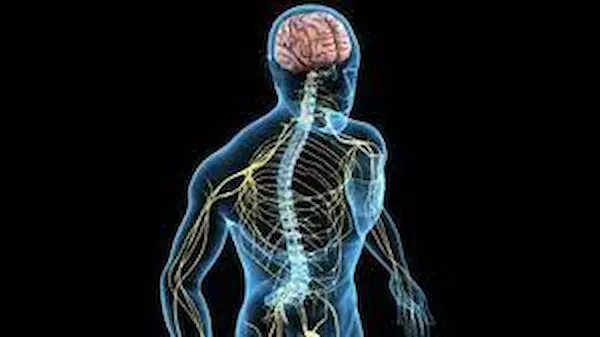
The path of sympathetic nerves starts from the neurons located in the spinal cord within the thoracic and upper lumbar region from the first thoracic vertebra T1 to the second lumbar vertebra L2. Nerve fibers exit the spinal cord through the anterior roots of the spinal nerves, then pass to the sympathetic chain, which is nerve nodes that extend on both sides of the spine. From these nodes, the fibers branch out to the various organs of the body through three main paths:
- Preganglionic fibers that reach the sympathetic ganglia.
- Postganglionic fibers that project to target organs such as the heart, lungs, blood vessels, and sweat glands.
- Special pathways pass through the splanchnic nerves to reach the internal organs in the abdomen and pelvis.
Learn about: The 11 most common causes of neuritis
What happens to the body if the sympathetic nerve is damaged?
Of course, you are asking yourself about damage to the sympathetic nerve or part of the sympathetic nervous system, and here we would like to point out that the body’s ability to regulate involuntary functions is affected, which causes a group of different symptoms that depend on the location and severity of the injury, the most important of which are the following:
- Blood pressure disorder may decrease or rise abnormally due to loss of control over the contraction and relaxation of blood vessels.
- A defect in sweating, through increased sweating in certain areas or loss of it completely, which may affect the regulation of body temperature.
- Eye problems such as Horner syndrome, including drooping eyelids, small pupils, and decreased sweating in half of the face.
- Effect on the heartbeat: abnormal slowness or acceleration of the heart rate.
- Digestive problems, including slowed bowel movement or constipation due to poor control of the smooth muscles of the digestive system.
- Disturbances in the body's response to stress or fear and weakness in reaction.
Conditions affecting the sympathetic nerves
There are many different medical conditions and injuries that greatly affect the sympathetic nerves and cause disruption of their functions, the most prominent of which are:
- Spinal cord injuries, especially in the thoracic or lumbar areas where sympathetic fibers pass, which may lead to loss of control of blood pressure and body temperature.
- Horner syndrome results from injury or pressure on the sympathetic nerve pathway leading to the eye, causing drooping eyelids, small pupils, and decreased sweating in half of the face.
- Tumors, such as neuromas or cancers, that put pressure on the sympathetic ganglia or the nerves emerging from them.
- Autoimmune diseases such as multiple sclerosis or autoimmune neuropathy, where the immune system attacks nerve fibers.
- Chronic diseases such as diabetes, which may cause autonomic neuropathy, including sympathetic neuropathy.
- Surgical operations or direct injuries that may lead to cutting or damage to sympathetic fibers.
Book your consultation now at مركز العلوم العصبیة At Al Mousa Specialist Hospital.
Symptoms of a sympathetic nervous system disorder
Symptoms of a sympathetic nervous system disorder vary depending on the cause of the disorder and the location of the injury, but they are often associated with a defect in the control of the body's involuntary functions, and include:
- Changes in blood pressure: The patient may suffer from a sudden rise or sharp drop in blood pressure, especially when changing position from sitting to standing.
- Problems with sweating, including excessive sweating in some areas or complete absence in other areas of the body.
- Heart rate disturbance and unexplained acceleration or slowness of the pulse as a result of a defect in cardiac control.
- Changes in pupil size such as abnormal constriction or dilation of the pupil, sometimes unevenly between the eyes.
- Digestion problems, such as slow or rapid bowel movement, with changes in the secretion of digestive juices.
- Disturbances in body temperature regulation, such as feeling excessive cold or heat and the body’s inability to adapt to environmental changes.
- Dizziness or fainting, especially when standing, as a result of the body's failure to regulate blood flow to the brain.
Frequently asked questions
What are the symptoms of sympathetic nerve disorder?
Symptoms of a sympathetic nerve disorder include blood pressure changes, heart rate disturbances, sweating problems, changes in pupil size, digestive disturbances, and the body’s inability to regulate its temperature. This may be accompanied by dizziness or fainting when standing.
What is the sympathetic nervous system?
The sympathetic nervous system is part of the autonomic nervous system responsible for preparing the body for emergency situations, or what is known as the “fight or flight” response, as it increases the heart rate, expands the bronchi, raises blood pressure, and stimulates the body to release energy.
What are the harms of cutting the sympathetic nerve?
Cutting the sympathetic nerve may lead to loss of control over some involuntary functions in the area it supplies, such as cessation of sweating, changes in blood circulation, or disturbances in temperature control, and side effects on the eyes or blood pressure may also appear.
How do I strengthen the sympathetic nerve?
The sympathetic nerve can be strengthened and its balance maintained by exercising regularly, applying relaxation techniques such as meditation and deep breathing, sleeping well, eating a balanced diet, and staying away from chronic stress that may weaken the autonomic nervous system.
If you are suffering from symptoms related to sympathetic nerves or a disorder in the autonomic nervous system, do not wait until the condition worsens. Book your consultation now at Al Mousa Specialist Hospital, where our medical team provides the latest diagnostic and treatment methods to ensure your comfort and restore your nervous balance.
المصادر:
Neuroanatomy, Sympathetic Nervous System – nih
Sympathetic Nervous System (SNS) – clevelandclinic